

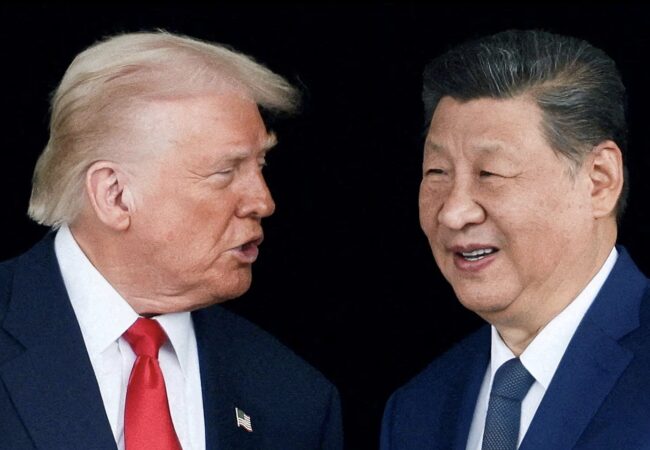
Senior economic officials from the US and China convened in Paris for extended discussions aimed at smoothing the path for a highly anticipated summit between Presidents Donald Trump and Xi Jinping in Beijing later this month. The talks, led by US Treasury Secretary Scott Bessent and Chinese Vice Premier He Lifeng, tackled persistent trade disagreements that have strained relations between the two superpowers.
The negotiations focused on contentious topics, including tariffs, China’s export of rare earth minerals vital to American manufacturers, US restrictions on high-tech exports, and Beijing’s level of agricultural imports from the US. Over six hours of talks were held at the OECD headquarters, with both parties agreeing to continue discussions to avoid further economic disruption.
Key issues in US-China trade talks
- Tariffs imposed by both countries
- China’s export of rare earth minerals important to US manufacturers
- US restrictions on high-tech exports to China
- Beijing’s agricultural imports from the US
Despite cautious optimism, analysts predict that substantial breakthroughs are unlikely given the complex issues that underpin US-China economic friction. Still, the priority appears to be maintaining a baseline stability to prevent a downward spiral in ties ahead of the summit.
Challenges in resolving trade tensions between the US and China
This measured diplomatic approach reflects the high stakes involved: tensions over technology, supply chains, and trade policies have far-reaching impacts on global markets and industries. Similar talks in recent years have often ended with incremental progress rather than sweeping agreements, underscoring the difficulty of bridging deep-rooted policy divides.