

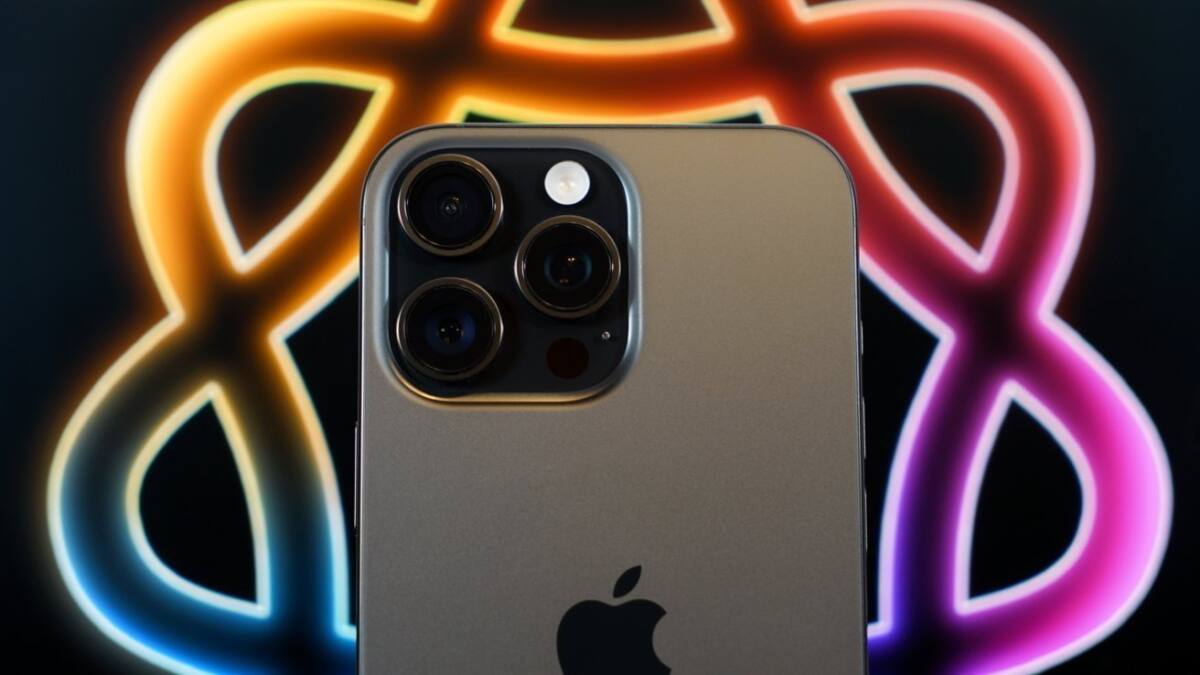
Apple is gearing up to unveil a significant update to Siri at WWDC 2026, signaling a renewed focus on enhancing its virtual assistant’s capabilities after years of relative stagnation. Known internally as ”Campo,” this overhaul aims to give Siri a more conversational, chatbot-like interface akin to ChatGPT, powered by Google’s Gemini models. The new Siri is set to roll out across iOS, iPadOS, and macOS, marking a major investment reportedly costing Apple around $1 billion annually.
Siri’s transformation is part of a broader initiative to elevate software quality in Apple’s ecosystem. Alongside the assistant’s AI-powered upgrade, Apple is also refining its Liquid Glass visual effect, which debuted with iOS 26 but lacked customization. The company plans to introduce a system-wide slider that lets users adjust the intensity of the frosted glass effect seen in app folders, navigation bars, and home screens. This granular control will address earlier engineering hurdles that limited Liquid Glass’s flexibility.
Despite the buzz, neither the new Siri nor the Liquid Glass control slider will appear in the upcoming iOS 26 update. They are reserved for the subsequent software version, internally referred to as iOS 27, launching later this year. WWDC thus presents the earliest opportunity for developers and users to experience these upgrades firsthand.
Integrating Google’s AI tech for Siri shows Apple leaning into external partnerships to keep pace in the AI race, following industry trends where generative models have become the backbone of modern assistants. With competitors like Amazon’s Alexa and Google Assistant continuously evolving, Apple’s move could reinvigorate user engagement with Siri, which has lagged behind in natural language sophistication.
The introduction of adjustable Liquid Glass controls also reflects Apple’s increasing attention to personalization and user-centric UI tweaks, which could influence how users interact with Apple devices on a daily basis. After the positive reception to customizable lock screen features, expanding this modulation to the core interface elements could become a prized feature for visual design enthusiasts.