

The global shortage of memory chips, including DRAM and NAND flash, shows no signs of easing until at least the middle of 2027, according to new analysis from Counterpoint Research. Prices for key memory components have soared dramatically, with some DRAM modules tripling in cost during the recent Lunar New Year period, highlighting persistent supply constraints amid rising demand.
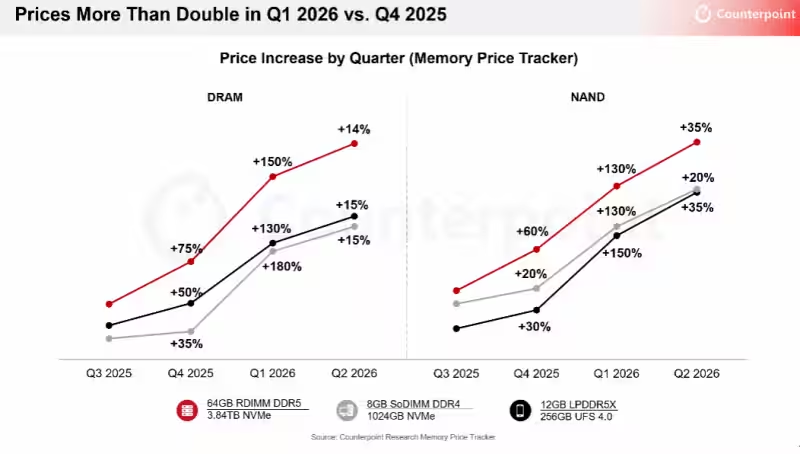
Counterpoint reports that prices of 64GB DDR5 RDIMM server modules surged 150% quarter-over-quarter, while 12GB LPDDR5X mobile modules climbed 130%, and even older 8GB DDR4 SO-DIMM laptop modules rose 180%. NAND flash chips experienced an unprecedented price hike of 130-150%, reflecting tight supply lines that manufacturers and cloud service providers cannot yet reconcile.
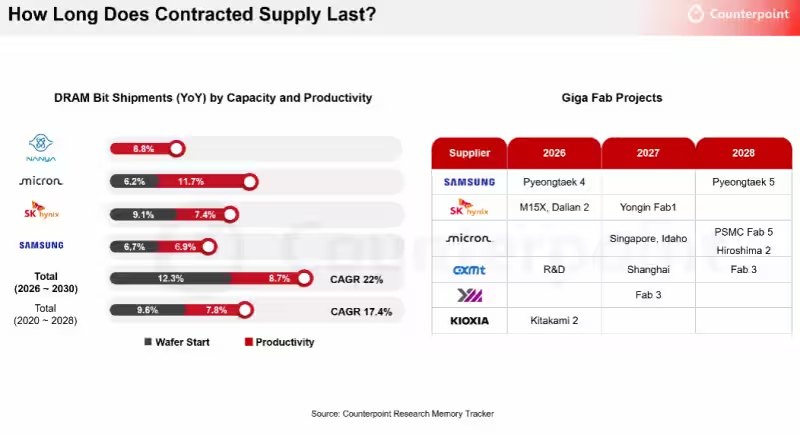
Despite Samsung Electronics and SK hynix spending an estimated $50-60 billion on capital investments to boost production, these efforts fall short of satisfying current demand. Collective DRAM output from leading producers-including Samsung, SK hynix, Micron, CXMT, and Nanya-is expected to grow 26% this year, while NAND production rises by 24%. But Counterpoint’s Min-sung Hwang notes this increase won’t significantly impact the market before late 2027.
There is little optimism for prices correcting in the latter half of 2026. The report explains that suppliers of high-bandwidth memory (HBM), particularly SK hynix-which held around 60% market share last year-are shifting priorities toward margin competition rather than market expansion. Samsung is poised to gain ground in the HBM4 segment this year, partly due to SK hynix’s challenges adapting its products for customers like Nvidia.
Moreover, the trend among memory manufacturers is to pivot production from specialized HBM modules toward more general-purpose memory types for higher profitability. Major cloud providers continue to buy vast quantities of chips, further sustaining elevated prices through at least the end of 2026. Geopolitical tensions, such as the Middle East conflict, are expected to have limited immediate impact on memory prices but could influence operating costs long term if energy prices remain high.
Looking ahead, interest is growing around Chinese memory manufacturers. CXMT is forecasted to capture over 10% of the DRAM market by 2028, while YMTC already holds a 13% share in NAND flash. This domestic growth signals a shifting competitive landscape that could alter memory chip supply dynamics several years down the road.