

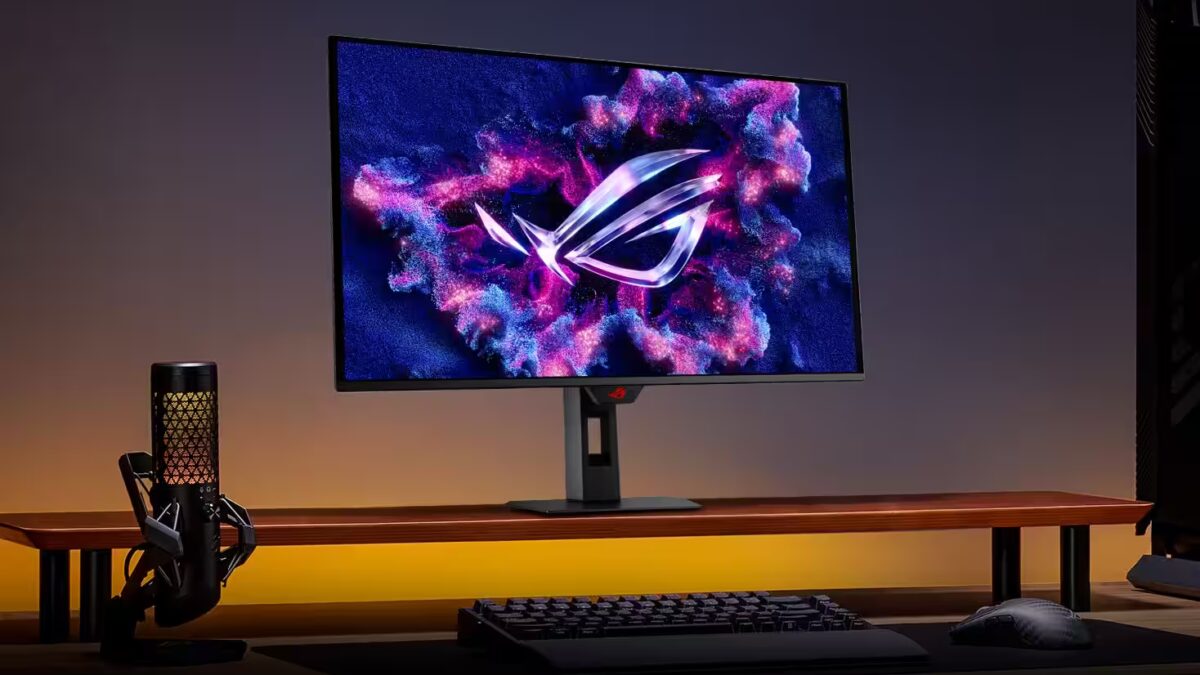
Asus has introduced two new gaming monitors to its ROG Strix lineup, the OLED XG27ACDMS and OLED XG27AQDMES, both featuring third-generation Samsung QD-OLED panels. These 27-inch screens deliver crisp 1440p resolution with ultra-fast response times, pushing refresh rates up to 280Hz for high-end competitive gaming.
Each model sports a 2560×1440 display with a lightning-fast 0.03ms response time. Their semi-gloss coatings help maintain vibrant colors while reducing reflections, striking a balance ideal for immersive gameplay without glare distractions.
Asus includes its proprietary OLED Care Pro suite to protect the delicate OLED panels. The feature set includes a presence sensor that dims the screen automatically when you step away, helping to minimize burn-in risk-a common concern with OLED displays.
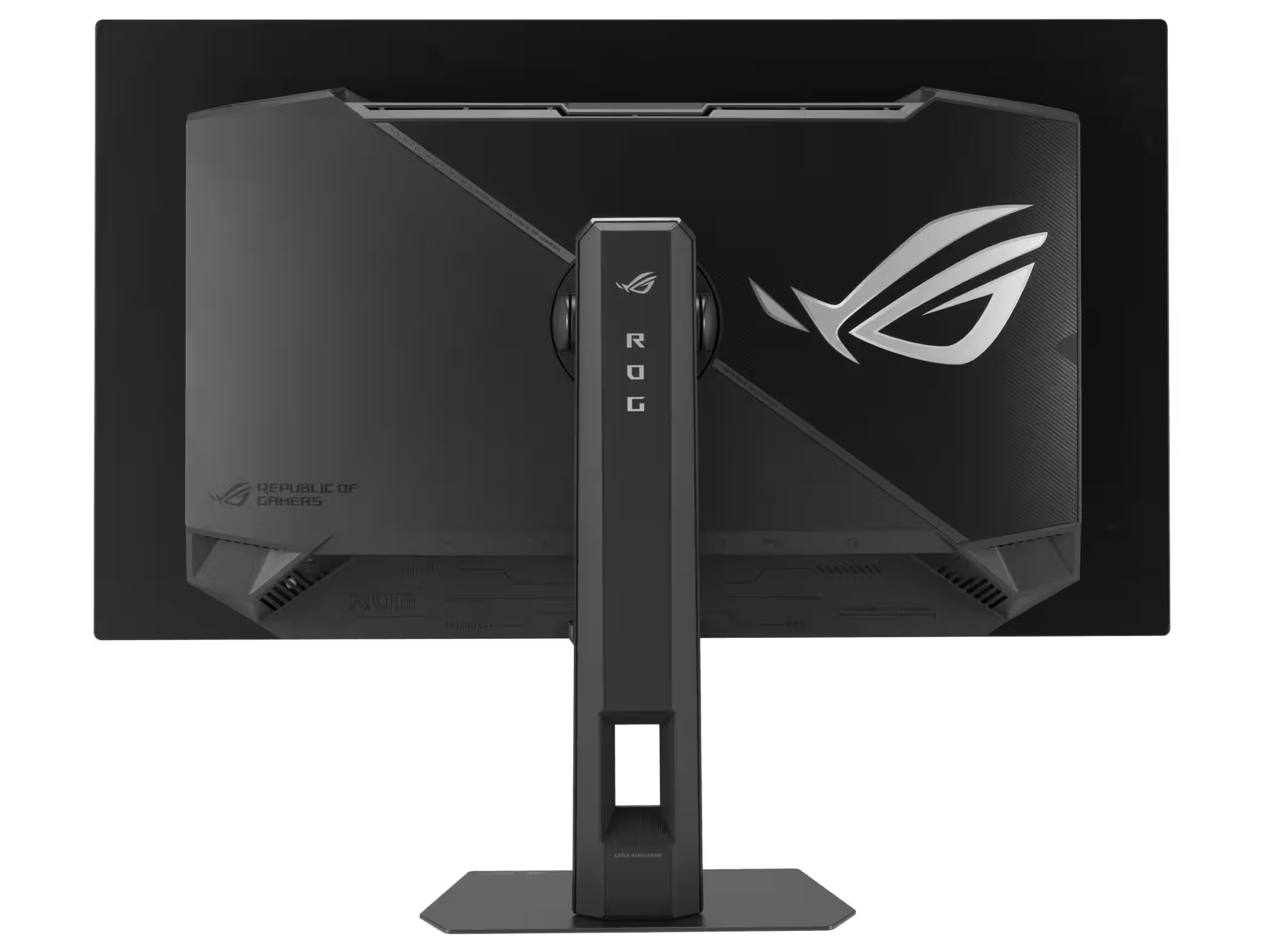
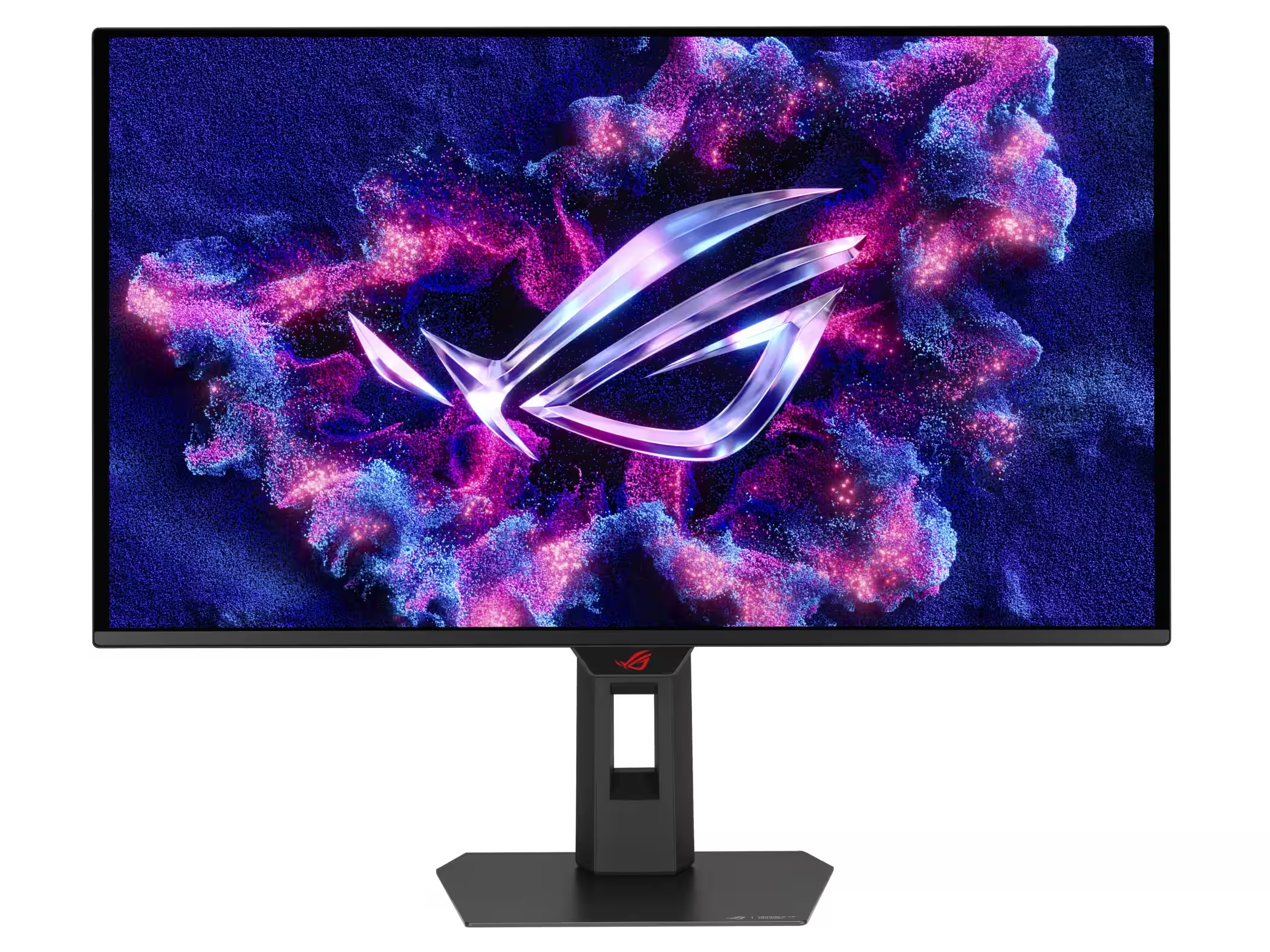
The more premium ASUS ROG Strix OLED XG27ACDMS cranks refresh rates up to 280Hz and hits a peak brightness of 1000 nits. It also features a USB-C port delivering up to 15W power, adding versatility for connecting peripherals or laptops. This model is priced at $699 in the U.S.
The OLED XG27AQDMES aims for affordability, offering a still impressive 240Hz refresh rate and a peak brightness near 400 nits. It drops the USB-C port to keep costs down, retailing for $599 in the U.S.
Both monitors are currently available through Asus’s U.S. store, although the XG27AQDMES is temporarily out of stock. In the U.K., Amazon lists them at roughly £449 for the XG27ACDMS and £369 for the XG27AQDMES.
- ASUS ROG Strix OLED XG27ACDMS: 27-inch, 2560×1440, 0.03ms response, up to 280Hz refresh rate, 1000 nits peak brightness, USB-C with 15W power, priced at $699 (U.S.) / £449 (U.K.)
- ASUS ROG Strix OLED XG27AQDMES: 27-inch, 2560×1440, 0.03ms response, up to 240Hz refresh rate, ~400 nits peak brightness, no USB-C, priced at $599 (U.S.) / £369 (U.K.)
Asus’s move to use Samsung’s latest QD-OLED panels puts these monitors in direct competition with the few OLED gaming displays on the market, such as Alienware’s AW3423DW, which also leverages QD-OLED tech but at wider ultrawide aspect ratios. The emphasis on 27-inch 1440p screens with ultra-high refresh rates will appeal to PC gamers seeking both picture quality and fast responsiveness – a combination still rare among OLED gaming monitors.
Looking ahead, it’s worth watching whether Asus expands this QD-OLED tech into larger sizes or incorporates HDMI 2.1 support for next-gen console gaming. The balance between OLED’s exceptional contrast and burn-in concerns will be critical in winning over the wider gamer audience reluctant to adopt OLED panels. Asus’s proprietary protection features show promise, but the real test will be long-term durability under intense gaming use.