

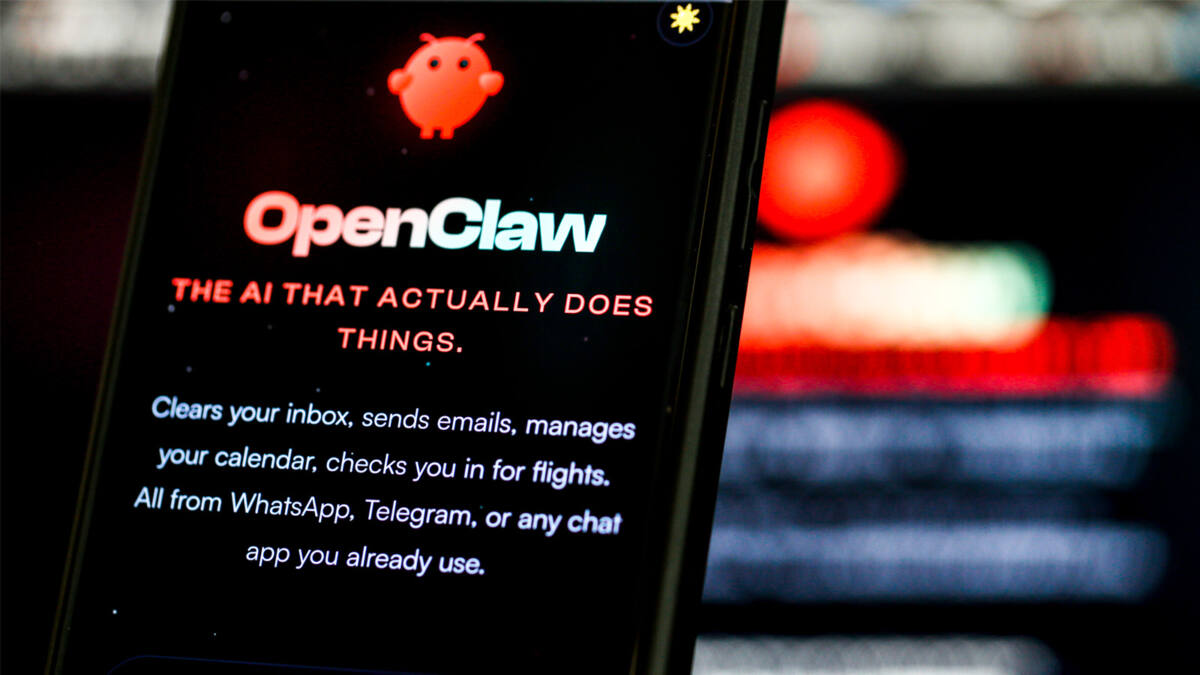
In early 2026, the OpenClaw AI agent has ignited a fervor across China, captivating individuals, companies, and government bodies with its open-source agentic AI capabilities. Despite its grassroots popularity-marked by themed gatherings, dedicated ”lobster hat” events, and cloud service adaptations-Chinese authorities have started restricting its use, particularly in state-run enterprises, over mounting security and control concerns.
OpenClaw’s rise follows the surprise impact of China’s DeepSeek chatbot in 2025, which briefly challenged U.S. dominance in AI. However, unlike headline-grabbing breakthroughs, OpenClaw’s momentum has grown through widespread grassroots adoption and tech community enthusiasm. Tencent, Alibaba, and AI startups such as Moonshot and MiniMax have launched their own OpenClaw versions, boosting stock values-even as some companies report revenues far lower than their valuations suggest. Local governments have also provided substantial subsidies to spur project development involving the AI agent.
Yet OpenClaw’s open-source nature carries significant risks. Cases of the AI agent deleting critical data and leaking sensitive information have surfaced, raising alarms about user privacy and organizational security. Its ability to expose API keys, passwords, and facilitate fraud has triggered acute warnings from officials. This Wild West phase of AI agent adoption echoes earlier concerns over unchecked power in China’s tech scene, reminiscent of the government’s crackdown on internet giants in the early 2020s.
As a response, Chinese regulators have issued directives forbidding state-owned enterprises and government agencies from installing OpenClaw on office systems without pre-approval. Employees at state-run banks face explicit instructions to remove the software from personal devices. Other businesses must secure local authorities’ approval before using OpenClaw internally. The primary issue highlighted is the platform’s potential to create severe vulnerabilities, exposing organizations to data theft, hacking, and sabotage-a security headache the government can ill afford.
This clampdown underlines the uneasy balance between AI innovation and state control in China’s tech ecosystem. While OpenClaw’s community and corporate uptake show strong enthusiasm for agentic AI, the government remains wary of losing grip on technology that operates beyond central oversight. So far, there’s no sign of restrictions on private or entrepreneurial OpenClaw users, but public cautionary statements suggest stricter regulations may emerge if the AI’s expansion continues unchecked.
OpenClaw’s story exemplifies the challenges AI poses worldwide: harnessing powerful tools without sacrificing security or privacy. China’s approach-promoting rapid adoption while imposing swift controls-offers a glimpse into how nations might wrestle with the next wave of AI agents in 2026 and beyond.