


Zoom is unleashing a new wave of AI-powered tools that promise to change how businesses meet and collaborate. Highlights include photorealistic AI avatars for video calls, AI-driven office apps, and easy-to-build AI agents that don’t require any coding skills.
First teased last year, Zoom’s AI avatars will be available to users by the end of the month. Designed to stand in for users who can’t-or won’t-turn on their cameras, these avatars replicate facial features in striking detail, mimicking lip movements, eye gestures, and expressions during calls. The avatars will work in both live meetings and asynchronous video messaging.
To counter deepfake concerns, Zoom is also introducing a deepfake detection feature. This technology alerts participants if it detects suspicious voice or video manipulations during calls, addressing rising security fears as AI-generated content becomes more convincing.
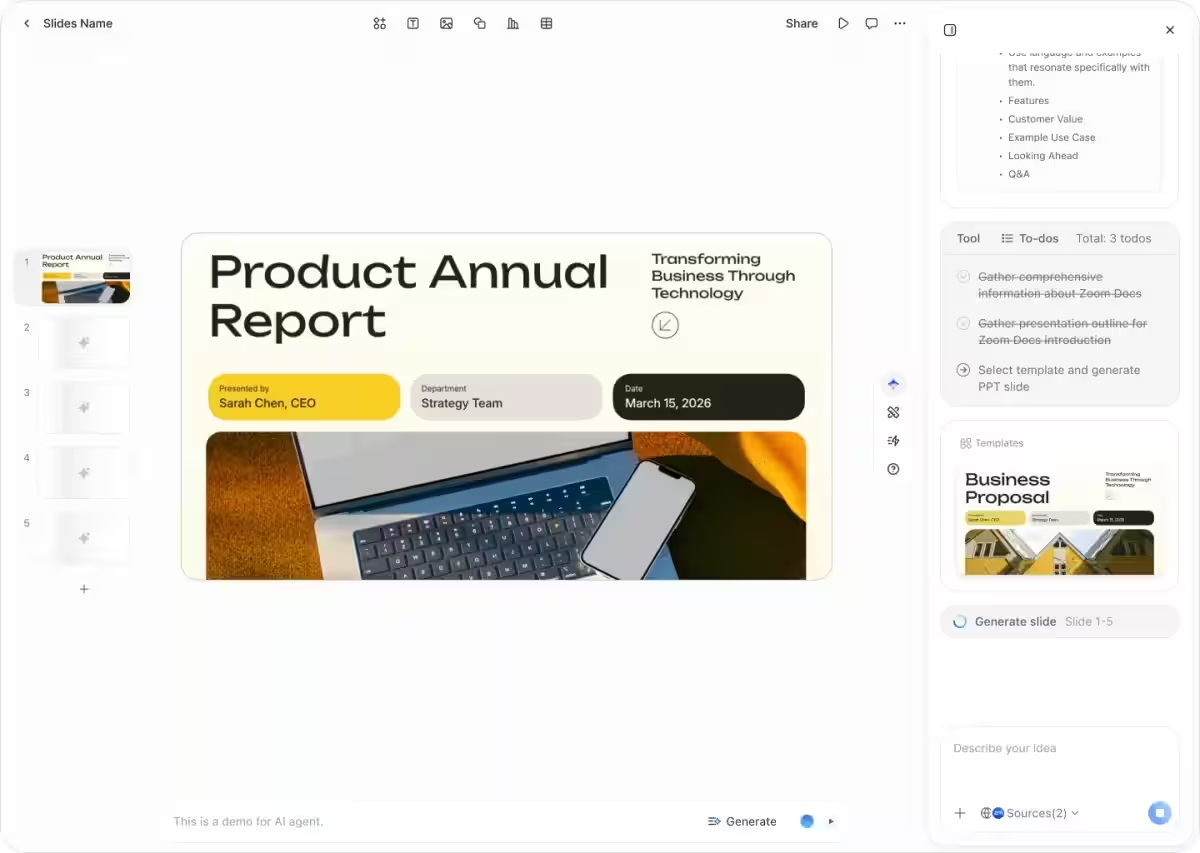
Zoom’s AI push extends beyond meetings. It just launched a suite of AI-enhanced office apps-AI Docs, Slides, and Sheets-that pull information from meeting transcripts and other sources to automatically draft documents, generate data tables, or build presentations.
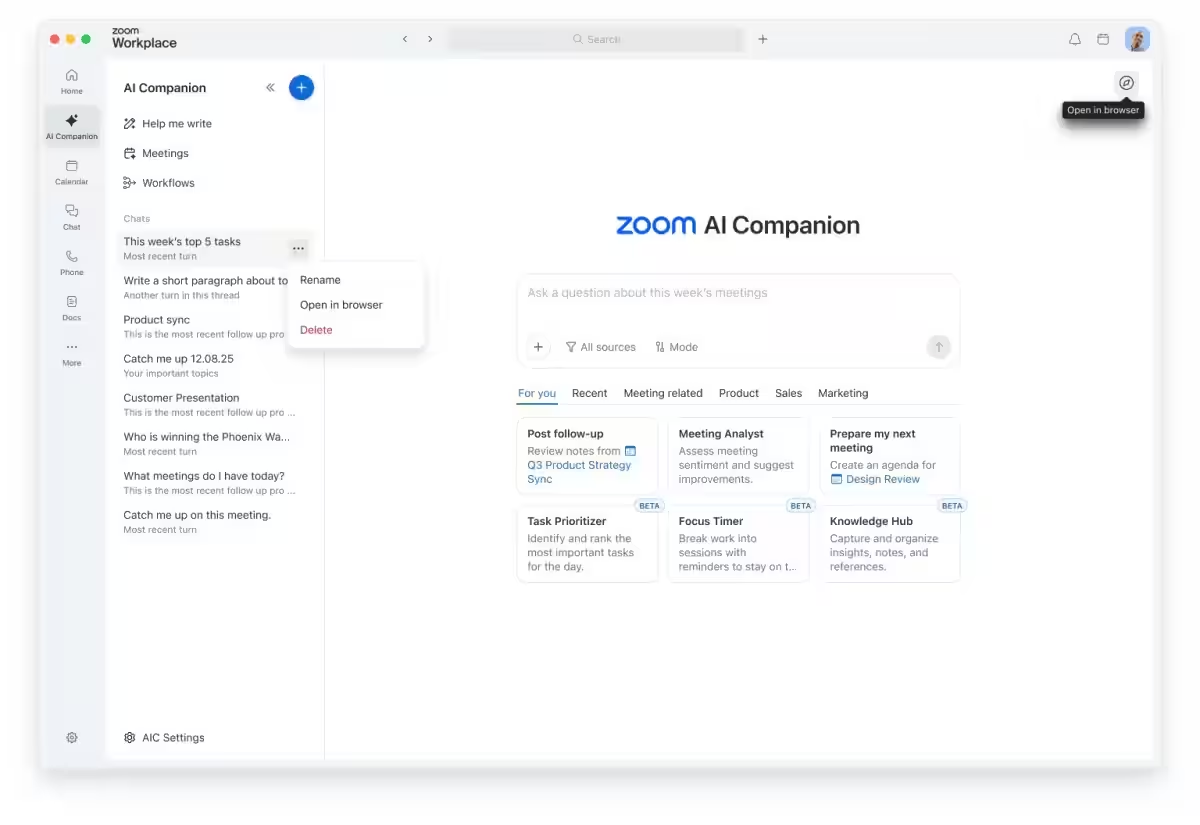
The AI Companion assistant, which was previously web-only, is making its way to Zoom’s desktop app with version 3.0. The company reports that monthly active users of AI Companion more than tripled in Q4 of its 2026 fiscal year compared to the previous year-a clear signal of growing adoption.
Zoom is also integrating its AI assistant into Workvivo, a platform focused on corporate communications. The assistant taps into tools like Slack, Salesforce, ServiceNow, Gmail, Outlook, Asana, and Jira, enabling users to query multiple knowledge bases simultaneously.
Zoom’s AI efforts come amid a wider industry trend. Big names like Canva and Salesforce-owned Slack are aggressively adding AI features to their productivity suites, while startups such as Context explore AI-enabled workflows. Zoom’s offerings add another layer of competition in the race to embed AI across everyday office tools.
Addressing the burgeoning demand for ”agentic” AI workflows, Zoom will let users create custom AI agents through simple text prompts. Once built, these bots can be summoned directly within chat windows to handle tasks, streamlining team collaboration.
Developers get more options too. Zoom is opening API access to its speech recognition, computer vision, and natural language processing technologies, available both on the cloud and for local deployment. This could spark new third-party integrations powered by Zoom’s AI capabilities.
Further enhancing communication, Zoom’s updated chat system will leverage AI to highlight key discussion points and automatically summarize lengthy conversations, reducing clutter and improving team focus.
Finally, Zoom plans to unify its interface design across desktop, mobile, and web platforms. This consistency aims to make AI tools like automatic notes, meeting Q&A, and transcription more accessible, aligning user experience throughout the ecosystem.
Zoom’s latest AI rollout signals its ambition to not just be a video conferencing tool but a full-fledged AI-powered collaboration platform. Keeping pace with industry giants and nimble startups alike, Zoom is betting that seamless AI integration across meetings, documents, and workflows will be key to winning the next wave of workplace tech.