

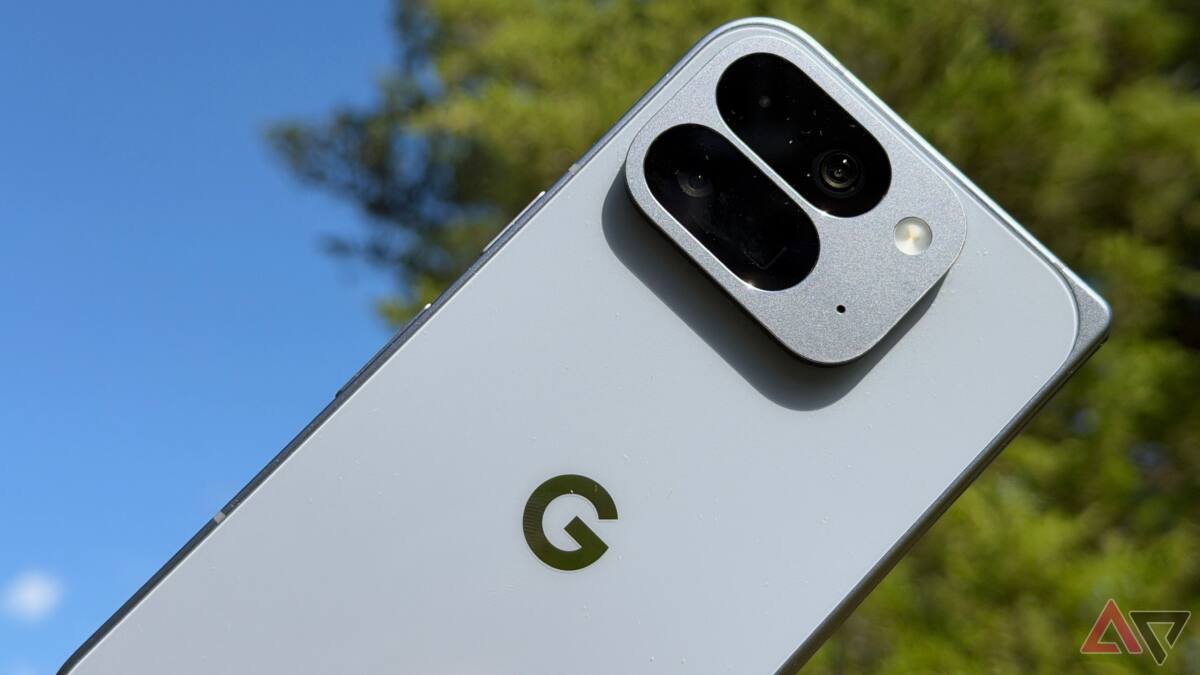
Early leaks of the Google Pixel 11 Pro Fold reveal a device that barely moves the needle from last year’s model, suggesting the company is maintaining its cautious approach to foldables-even as competitors accelerate innovation. Render images from OnLeaks and Android Headlines show a Pixel 11 Pro Fold almost indistinguishable from the Pixel 10 Pro Fold, save for minor tweaks around the camera module and a modest slimming of the device’s thickness. This restrained update risks Google falling further behind Samsung’s Galaxy Z Fold 7, which continues to set the bar for foldable phones.
A familiar foldable with subtle design shifts
The Pixel 11 Pro Fold shares nearly the same silhouette as its predecessor, which was already outpaced by Samsung’s flagship foldables in design finesse and engineering. The most noticeable change is around the rear camera setup: Google retains its signature approach of organizing sensors into two horizontal strips, but rearranges the LED flash to sit closer to the top strip. The camera island itself is more curved where it meets the back panel, giving a slightly smoother visual transition. The sensors protrude just a bit more, hinting at a possible hardware upgrade behind the scenes.
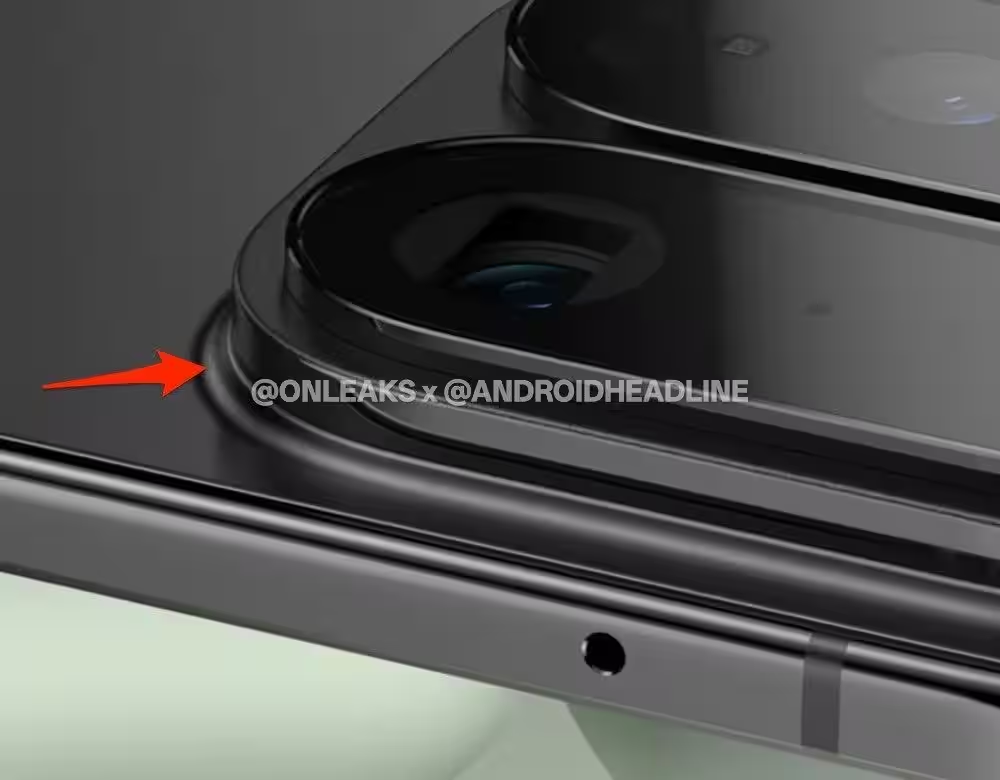
Thickness is another key area of improvement. Google’s new foldable measures 10.1mm thick when folded, trimming down from the Pixel 10 Pro Fold’s 10.8mm. Unfolded, the device is expected to be 4.8mm thick instead of 5.2mm. While thinner phones are appreciated, the Pixel 11 Pro Fold still doesn’t match the sleekness of Samsung’s Galaxy Z Fold 7, which is 8.9mm folded and 4.2mm unfolded. This difference might matter to users prioritizing pocketability and comfort.
What Google is missing as foldables evolve quickly
Other design elements, such as speaker and USB-C port placement, remain unchanged. Selfie camera positions on both the cover and inner displays are identical to last year’s device. This conservative update approach could be a strategic bet, but it also risks Google being overshadowed. Samsung is reportedly planning a wider foldable variant in the Galaxy Z Fold 8 series this year, pushing innovation in both form and function.
Google’s foldable phone journey has been steady but unspectacular, never quite challenging Samsung’s dominance in the space. Consumers expect more than minor tweaks, especially as foldable phones grow beyond novelty status into practical tools for work and play. The lack of bold hardware upgrades, innovative hinge mechanics, or significant display breakthroughs on the Pixel 11 Pro Fold stands out in a market where rivals like Samsung, Oppo, and Xiaomi are pushing the envelope aggressively.
The limited changes revealed in these leaks raise questions about Google’s broader foldable strategy and whether it prioritizes software integration and AI features over hardware excellence. As foldables continue to mature, Google might find itself needing a more radical rethink if it wants to carve out a meaningful share beyond its niche.