

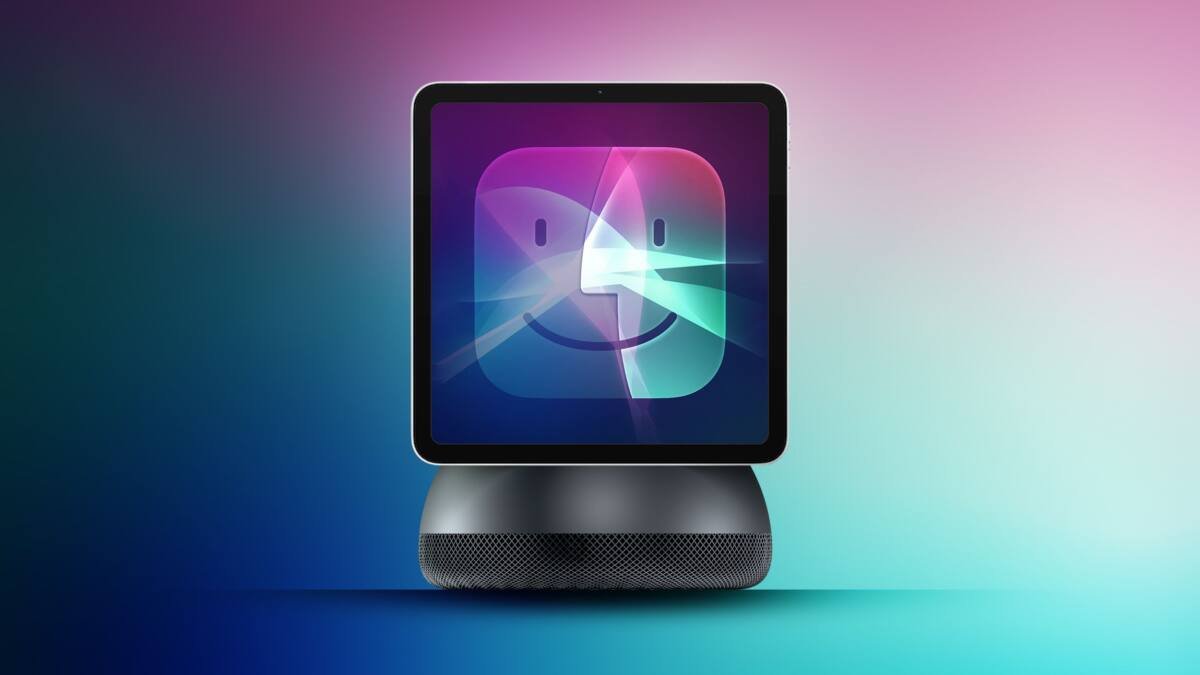
Apple is preparing a new smart home device dubbed ”HomePad,” featuring a magnetic snap-to-wall design and deeper smart integrations, though customers will have to wait until fall 2026 for it. This device is intended as a centralized hub for managing smart home gadgets, streaming audio, video calling, and quick info checks, but its rollout has been pushed back multiple times due to delays in Apple’s proprietary intelligence technology.
Leaked reports from a respected prototype collector and insider known as Kosutami reveal that one of the HomePad prototypes sports a MagSafe-style magnetic mount that allows it to snap securely onto a wall. This is an unusual design choice in the smart speaker category, suggesting Apple intends for the HomePad to be a permanent, visible fixture in the home rather than a portable device.
The HomePad is expected to have a compact 7-inch square touchscreen with a front-facing camera, supporting video calls and interactive home control. Doorbell integration is also rumored, which hints at potential roles in security or entry control. Apple’s ambition seems to converge on a device that combines high functionality with environmental awareness, powered by ”Apple Intelligence” – the company’s next-level AI infrastructure.
Originally expected as early as 2025, the HomePad’s debut has been delayed twice. Early plans targeted a launch in early 2026, but this shifted again to fall 2026. The hold-ups are reportedly tied to challenges in finalizing Apple Intelligence features that form the core of the device’s capabilities. The fall launch window places the HomePad amid Apple’s busiest release season, potentially alongside the iPhone 18 Pro and redesigned MacBook Pro models.
Apple’s smart home ambitions have long included expanding beyond audio devices towards versatile home hubs. The HomePod line itself has evolved from premium speakers to smaller, more affordable models, but often without a real touchscreen interface. This upcoming HomePad prototype could blend the iPad’s interactivity in a stationary, minimal form factor dedicated to home automation and communication.
The magnetic wall mount also signals a new approach to user experience. Securing the device visibly on a wall could redefine how users glance at notifications, manage home devices, or start calls without needing to pick up or move the device. However, it remains to be seen whether this form factor will resonate with users habituated to portable voice-controlled speakers or smartphones acting as home hubs.
Apple has yet to commit publicly to the HomePad name for the product. Internal references might differ from the official branding upon launch, a common practice in Apple’s development cycle. With the device still months away and heavily reliant on proprietary AI, Apple’s HomePad could either become a distinctive cornerstone of its smart home ecosystem or face stiff competition from well-established players like Amazon Echo and Google Nest, which have dominated smart displays for years.
The delay in the HomePad’s release is telling. It highlights Apple’s cautious approach in a segment where voice and smart assistant platforms have struggled to find truly disruptive appeal beyond basic tasks. Integrating doorbell and smart home controls into a single, elegant device while maintaining tight integration with Apple’s ecosystem sounds promising but also raises the bar-and risk-for product success.