

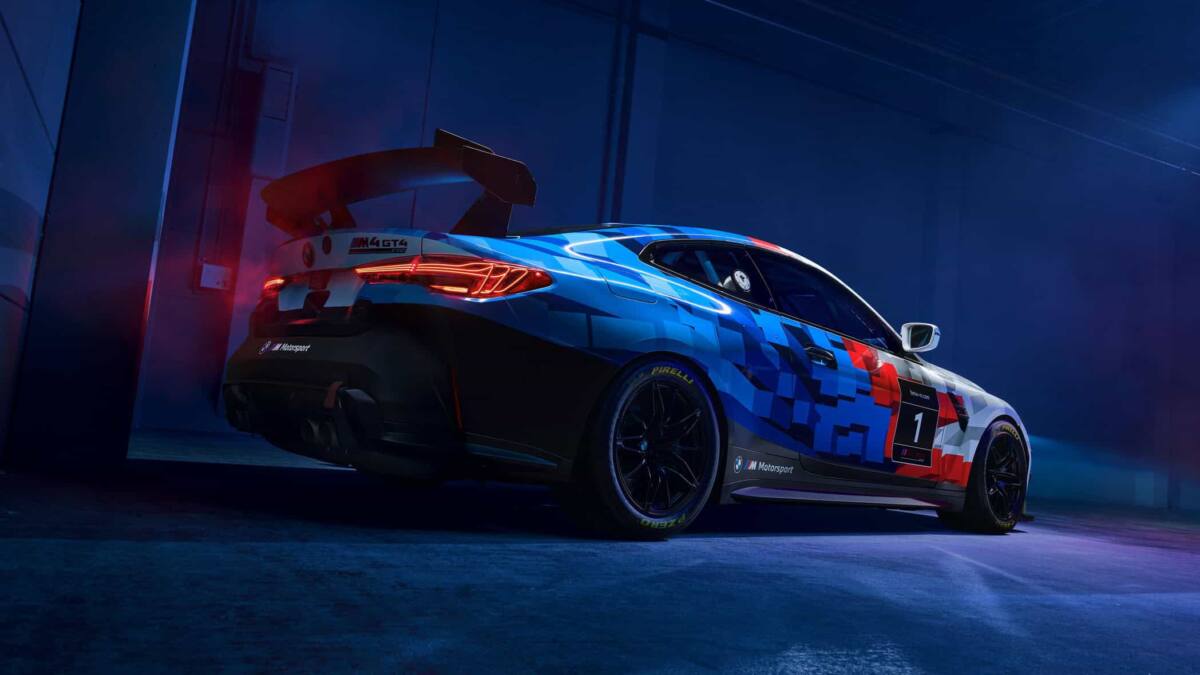
BMW has introduced the M Performance Track Kit exclusively for the M2, a move that highlights the smaller coupe’s shift into the spotlight once held by the M3. While the M3 and M4 continue to evolve into larger, more luxurious sports cars, the M2 is carving a niche as a dedicated, track-focused, and relatively accessible performance machine. This decision underscores a subtle repositioning within BMW’s M lineup, but it also raises questions about why the G80 M3 and G82 M4 were left out of this high-end aftermarket upgrade.
The M Performance Track Kit for the M2 draws heavily on racing technology, incorporating components inspired by the M4 GT4 race car. Priced at around €23,500 plus tax in Germany, the kit offers a serious upgrade: a front splitter with diffuser, an adjustable rear swan-neck wing with multiple downforce settings, and an advanced coilover suspension described as the first special motorsport damper system to be road-legal. Additional aerodynamic features like wheel arch diffusers and a front oil cooler further boost the M2’s track credentials.
It’s a rare breath of fresh air for enthusiasts looking to transform their street car into a track-ready machine without venturing into full race-spec territory. Yet its availability only on the M2 begs the question: why exclude the M3 and M4, models with higher base prices and arguably more devoted track followings?
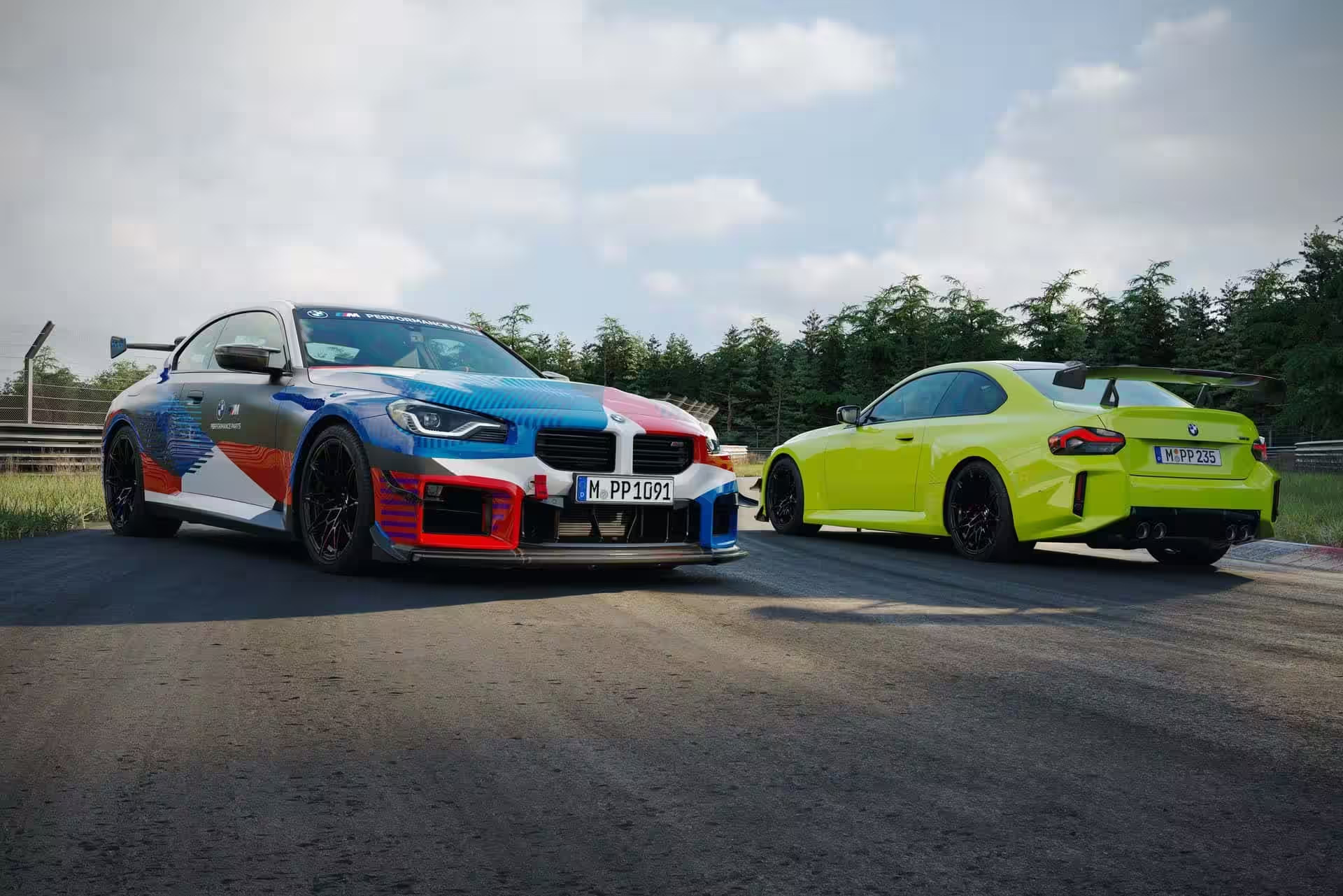
BMW seems to have made a strategic choice here. The M2, being the most affordable and nimble M car, now embodies the throne once held by the compact M3: a no-nonsense, tossable performance coupe. While the M3 and M4 have bulked up with added luxury and tech, the M2 remains focused on driving purity, making it an ideal candidate for such a dedicated track upgrade.
Another consideration might be cost-effectiveness. The Track Kit’s premium price reflects significant research and development investment, and applying a similar package to the M3 and M4 may not offer a favorable return, both financially and from a market demand perspective. This is surprising, especially for the G82 M4, which is expected to remain in production until 2029, while the G80 M3’s life cycle ends sooner, around mid-2025.
BMW’s omission of the M3 and M4 from this upgrade roster might also speak to an internal segmentation strategy: keep the M2 pure and track-focused, while positioning the M3 and M4 as more all-rounder performance luxury cars, perhaps with their own distinct upgrade paths yet to be revealed.
For fans wondering whether such a package would be welcome on the M3 or M4, the reality is the market’s appetite for track-specific factory options is complex-enthusiasts might crave performance, but they also weigh cost, usability, and exclusivity. Whether BMW will rethink this strategy remains to be seen, but for now, the M2 stands alone as the M Performance Track Kit flagship.
As BMW’s driver-focused lineup continues to evolve, it will be interesting to see if they expand bespoke track gear for the larger M cars or double down on emphasizing different strengths for each model. What kind of track upgrades would you want to see on the M3 or M4? The M2’s unique role may just set a precedent for more specialized offerings down the line.