

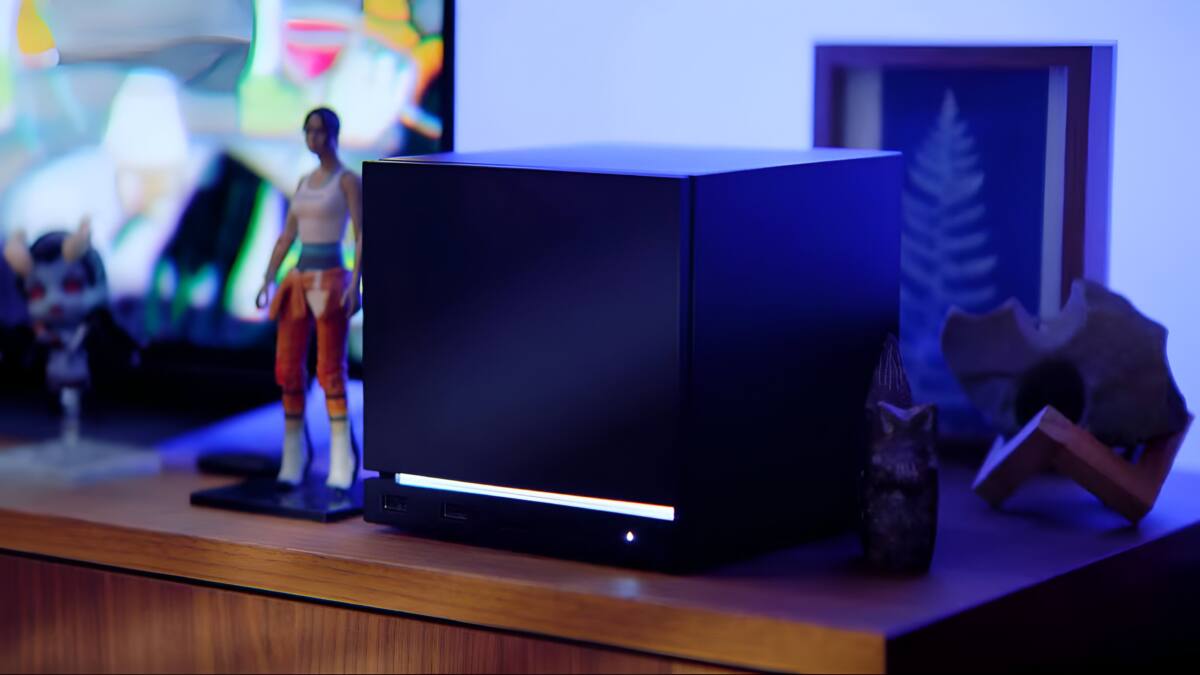
Valve has moved the anticipated release of its Steam Machine, Steam Frame, and Steam Controller from a firm first half of 2026 launch to a vague hope of shipping sometime within the year, reflecting broader supply chain struggles hitting the hardware market. The company initially planned these devices for early 2026, but escalating prices and shortages of key components like RAM and storage chips have forced Valve to stall, with no guaranteed release date anymore.
The semiconductor crunch that began in late 2025 has made launching new hardware increasingly difficult. RAM prices have tripled, and storage supply is tight, pushing manufacturers globally to either hike prices or delay launches. Valve, known for the Steam Deck’s success, has not been immune, experiencing shortages and pushed-back timelines for its new Steam ecosystem products.
Valve outlined its situation in a developer-focused blog post titled ”Steam Year In Review 2025,” admitting the challenges and shifting expectations. Rather than reaffirming a strict release window, the company now expresses hopes of shipping in 2026, without concrete commitments. This cautious stance contrasts sharply with the company’s earlier confident announcement targeting the first half of 2026.
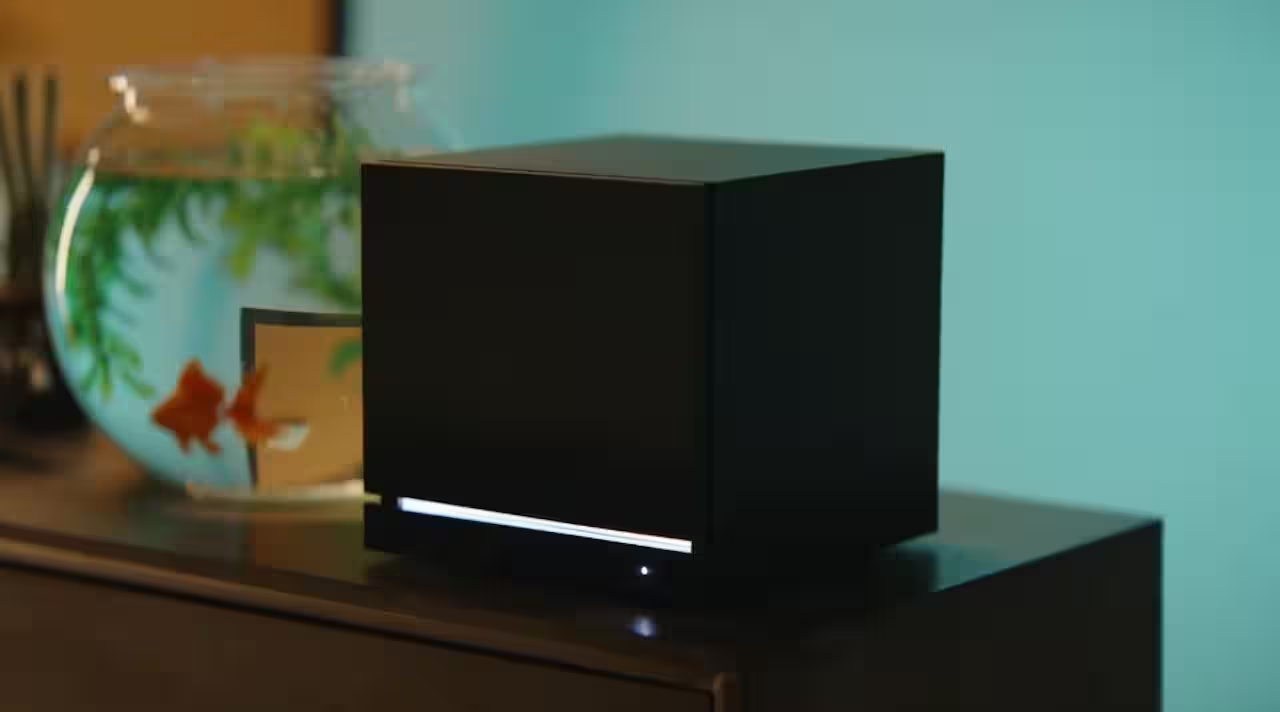
Industry-wide component shortages ripple through gaming hardware
The struggles facing Valve illustrate a wider problem for hardware makers in 2026. Prices for essential memory components have skyrocketed, partly due to production slowdowns and surging demand in other sectors like AI servers and consumer electronics. This environment has battered planned launch schedules from startups to giants like Sony and Microsoft.
Even Valve’s popular Steam Deck handheld has had intermittent supply issues, complicating the launch phase for new peripherals and consoles built around it. Valve’s decision to delay rather than rush product availability reflects a strategy to avoid releasing hardware that might be overpriced or caught in supply constraints, displeasing customers and developers alike.
Valve’s cautious approach hints at recalibrated ambitions
This hesitation is a marked shift for Valve, which has previously pushed aggressively into hardware with the original Steam Machine years ago, though that effort largely fizzled. The current generation combines the Steam Machine concept with fresh ideas like the Steam Frame and a revised Steam Controller, aimed at expanding Valve’s foothold in PC gaming’s living room.
By setting more tentative expectations, Valve might be protecting itself from disappointing gamers or developers who depend on precise timelines for game development and marketing. It also underscores how external supply chain woes can derail even companies with substantial resources and niche market insight.
For fans watching Steam’s hardware evolution, the lack of concrete launch details will be frustrating. Yet, given volatile global component markets, cautious optimism about a 2026 release may be as realistic as it gets. Valve’s willingness to delay rather than compromise quality or affordability could ultimately pay off in customer trust, even if it means waiting longer.