

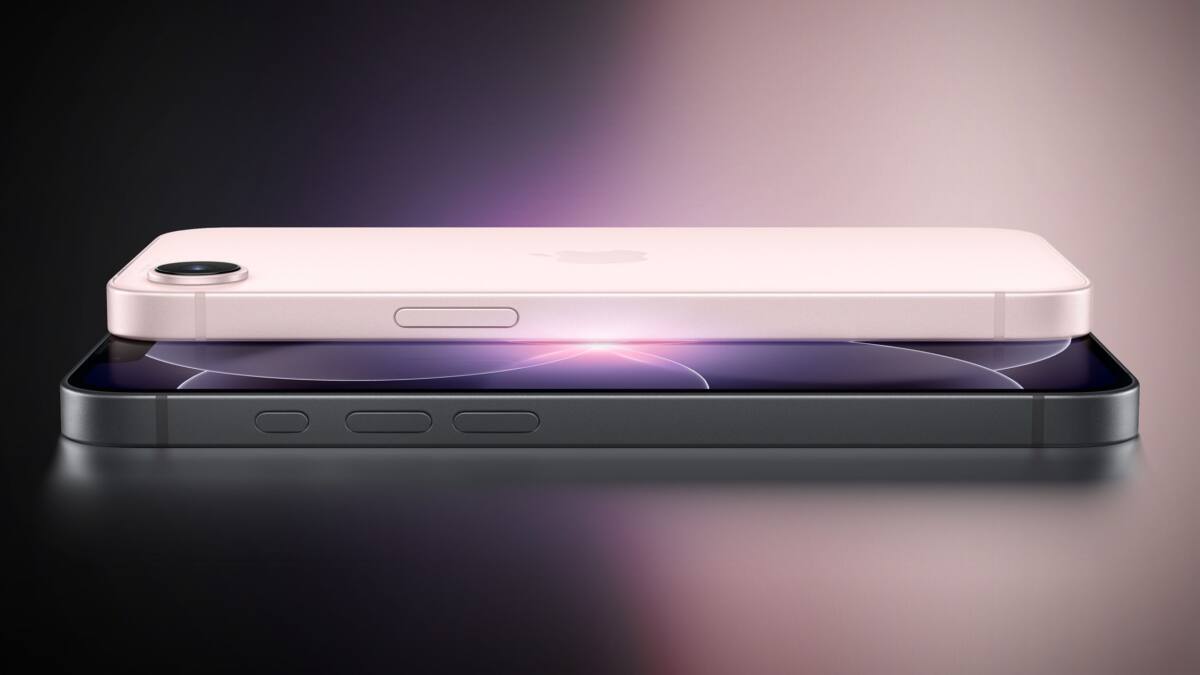
Early benchmark results have surfaced for the iPhone 17e, revealing that Apple’s A19 chip delivers nearly the same CPU performance as the regular iPhone 17, but with a subtle GPU reduction. The iPhone 17e scored 9,241 on Geekbench 6’s multi-core test, a hair below the iPhone 17’s 9,249, confirming identical processing power. However, the 17e sports a 4-core GPU versus the 5-core GPU found in the standard iPhone 17, leading to a noticeable dip in graphics scores-around 31,000 to 31,500 on Metal compared to roughly 37,000 for its sibling.
The iPhone 17e confirms its status as a mid-tier model by pairing Apple’s latest A19 chip with a trimmed-down GPU setup, echoing the previous generation’s iPhone 16e design and specs but adding MagSafe charging, a second-generation C1X modem for improved 5G speeds, and doubling the base storage to 256GB. At $599, it matches the former model’s price point while making subtle compromises on graphics muscle.
A comparison of performance paints a clear lineup
Looking across Apple’s recent iPhone spectrum, the iPhone 17 Pro with its A19 Pro chip stands out with a multi-core score of 9,805, exceeding the iPhone 17 and 17e by several hundred points. The iPhone 16 Pro and 16e, powered by the prior-gen A18 Pro and A18 chips, lag behind but still show respectable numbers. The iPhone 15 Pro with the A17 Pro chip marks the baseline for modern capabilities with a 7,199 multi-core score.
- iPhone 17 Pro (A19 Pro) – 9,805
- iPhone 17 (A19) – 9,249
- iPhone 17e (A19) – 9,241
- iPhone 16 Pro (A18 Pro) – 8,625
- iPhone 16e (A18) – 7,977
- iPhone 15 Pro (A17 Pro) – 7,199
These numbers highlight Apple’s consistent approach: the ”e” models trade off slightly on graphics while delivering solid CPU improvements year-over-year at entry-level pricing. That makes the 17e a tempting choice for users focused on general performance rather than gaming or intensive graphics tasks.
What the GPU downgrade means for users and Apple’s strategy
The GPU core reduction in the iPhone 17e could raise eyebrows, but in reality, most users may not perceive the difference during everyday use. While gamers or professionals running GPU-heavy apps might notice lower frame rates or slower rendering, casual users will still benefit from the latest chip’s overall efficiency and speed improvements.
This strategy echoes Apple’s long-standing trend of segmenting its lineup to maximize profit margins without alienating the price-conscious market. By equipping the 17e with the flagship A19 chip but dialing back on graphics, Apple positions this model as a budget-friendly option that feels modern but isn’t a full powerhouse.
Additionally, the doubling of base storage and inclusion of features like MagSafe and modem upgrades keep the 17e competitive. This likely helps Apple retain market share among users upgrading from older phones or those unwilling to pay flagship prices.
Similar strategies have been seen with Apple’s MacBook Neo, which uses a slightly trimmed A18 Pro chip variant, hinting at a broader company-wide play to differentiate products subtly through GPU or core count tweaks without sacrificing headline CPU performance.
As Apple prepares for launch and wider adoption later this month, the iPhone 17e’s benchmark results position it as a pragmatic choice for a growing segment of users seeking balance between performance and cost. Whether this balance holds up against competitive Android mid-rangers will be a key story to watch in 2026.