

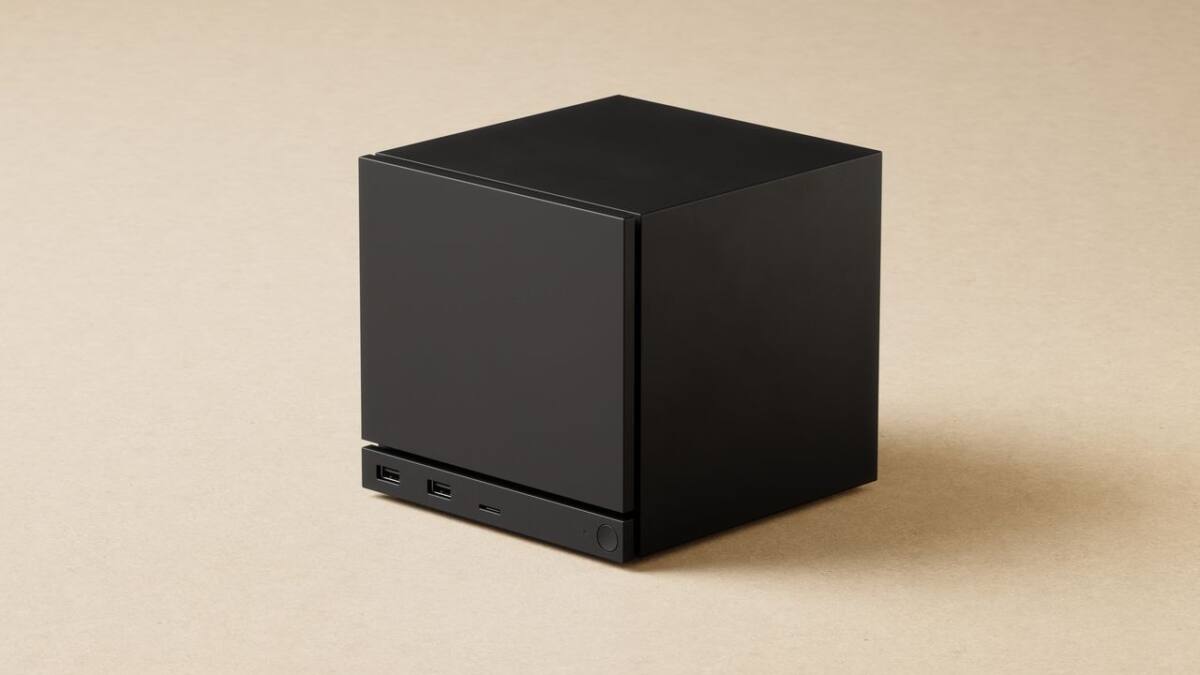
Valve’s much-anticipated Steam Machine, along with the Steam Frame and Steam Controller, appears unlikely to arrive this year as originally planned due to persistent shortages in memory and storage chips. The company now says it ”hopes to ship in 2026,” marking a significant softening from earlier promises for releases in the first quarter or first half of the year.
Valve’s hardware ambitions have run into the same global supply chain headwinds that still roil the tech industry. Initial plans targeted early 2026 releases for multiple Steam-branded devices, but these have been quietly downgraded as chip shortages continue to squeeze manufacturers. Memory components, in particular, are in strained supply as AI-focused firms bulk up on chips, driving prices up and inventory down for a broad ecosystem of hardware makers.
Even tech giants like Apple have reportedly been stung by these supply issues, indicating the scale of the problem beyond smaller or niche players like Valve. The ripple effect on Valve’s upcoming Steam Deck OLED was also acknowledged last month, further underscoring the challenges in hardware production schedules.
Valve has maintained a cautious stance, stating that it will provide updates once plans are finalized but stopped short of confirming whether the Steam Machine will see the light of day during 2026. This cautious approach contrasts with their earlier confident releases, and fans hoping for new Steam hardware this year are now left in limbo.
The delay is particularly notable given Valve’s sporadic hardware history-the original Steam Machine concept, introduced years ago, never made a major market impact and was largely seen as vaporware. This renewed effort seemed promising, yet the broader chip crunch narrative dampens the outlook for new entrants to the gaming PC hardware space for now.
This situation also reflects the growing competition and challenges hardware vendors face as component shortages persist and costs climb amid surging AI hardware demand. Valve’s pivot to a more vague shipping timeline hints at a tough balancing act between ambition and supply realities.
With Valve’s latest statement emphasizing hope rather than commitment, the Steam ecosystem’s expansion through dedicated hardware might stall further, putting more pressure on software and platform innovation. It’s an open question whether Valve can turn around its hardware roadmap or if these delays will lead to a cooling of its ambitions in physical gaming tech.