

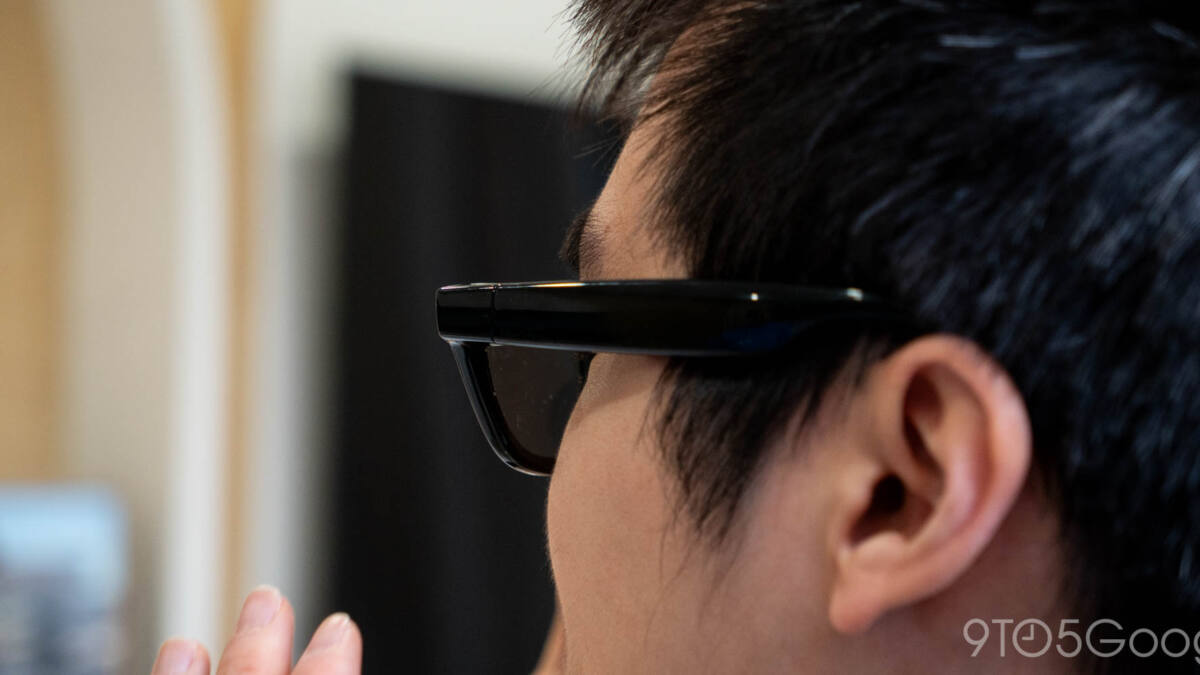
Samsung is gearing up to launch its first smart glasses in 2026, but at MWC it revealed only a handful of details, leaving the most anticipated question-whether the glasses will have a built-in display-unanswered. The company confirmed the device will include a camera positioned roughly at eye level and will connect seamlessly to a smartphone. Additionally, Samsung intends to leverage AI to track the user’s gaze, promising smarter interaction without diving into whether the glasses themselves will show visuals internally.
While Qualcomm’s CEO Cristiano Amon echoed the 2026 launch timeline, Samsung’s representative Jay Kim emphasized the company’s portfolio approach, suggesting users who require a more vivid display might stick with smartwatches or smartphones. This hints that Samsung might be exploring variants of its smart glasses, potentially with and without integrated displays, diverging from Google’s clearer push for see-through lenses.
A cautious step into smart eyewear
Samsung’s restraint in revealing display capabilities contrasts with Google’s increasingly mature transparent display tech, showcased openly at recent events. This cautiousness could signal technical or strategic hesitations. Wearable displays remain a tough challenge due to power consumption, comfort, and usability issues, so Samsung might prioritize a simpler augmented reality experience focused on camera functionality and AI gaze detection.
The notion of ”AI seeing where you’re looking” points toward an interest in context-aware interactions, such as eye-tracking to trigger notifications or control elements hands-free. This could offer a subtler, more integrated experience than bulky heads-up displays, potentially appealing to a broader audience wary of intrusive smart glasses.
The broader battle in smart glasses
Samsung’s move aligns with a growing industry trend where major players cautiously advance into mixed reality eyewear. Apple, Meta, and Google are all vying to turn glasses into everyday gadgets, balancing innovation with consumer readiness. Samsung’s decision to keep its glasses’ display specifics under wraps suggests it’s hedging bets amid a still-evolving market, possibly preparing multiple models.
The smartphone connection underscores Samsung’s strategy to position these glasses not as standalone computing devices but as companion accessories. This could help manage battery life and processing demands, leveraging the phone’s already powerful hardware.
Despite the sparse details, Samsung’s willingness to showcase camera and AI features signals which direction it sees as viable for initial adoption: discreet smart functions enhancing natural vision rather than immersive or fully digital overlays.
With the wider smart glasses race heating up, Samsung’s subtle approach reveals it’s taking its time to balance excitement with practicality, and perhaps testing user appetite before committing to fully fledged display eyewear. 2026 will be the year we see if consumers are ready to accept camera-equipped glasses that track their gaze without necessarily showing augmented images directly in their field of view.