

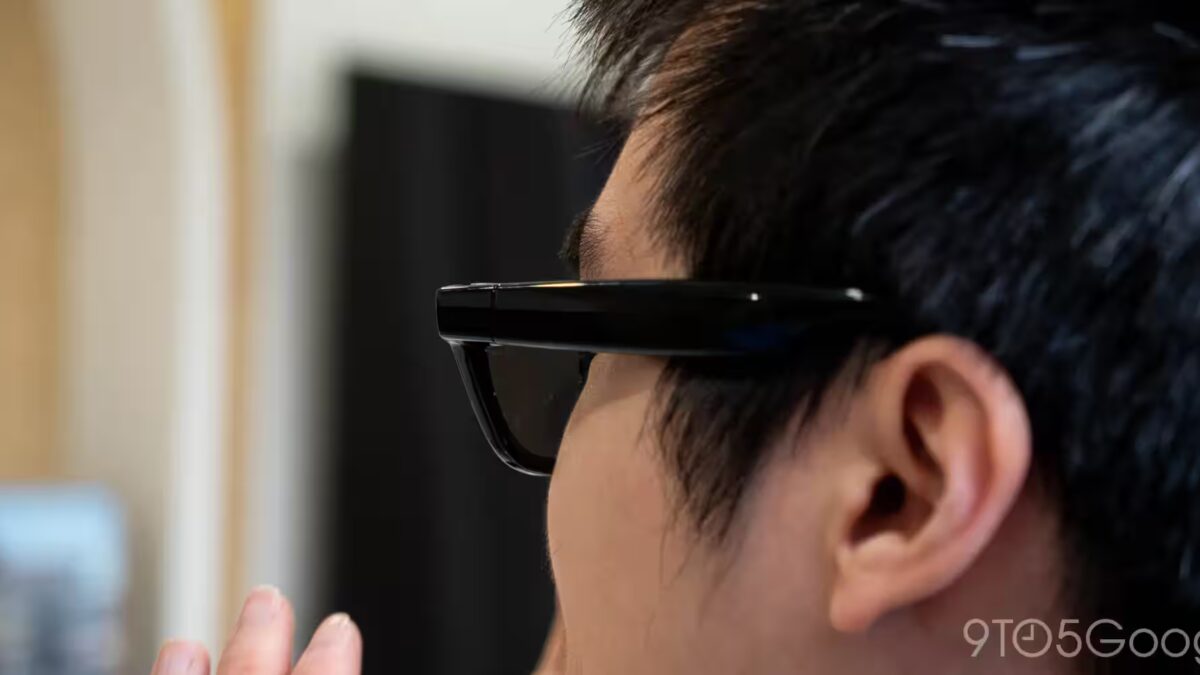
The buzz around smart glasses heating up globally hits a new milestone as Samsung confirms plans to launch its first smart glasses in 2026. At MWC, the company revealed some intriguing tech highlights – including an eye-level camera, seamless smartphone integration, and AI-powered eye tracking – but remained tight-lipped about a built-in display.
In an interview with Samsung’s Jay Kim, it became clear that the glasses will play into a broader smartphone ecosystem, leveraging both camera functions and AI to analyze where users are looking. Yet Samsung has deliberately stayed silent on whether the glasses will have any kind of screen at all. Industry whispers suggest Samsung might release two variants: one with a display, another without.
This cautious stance diverges sharply from Google’s approach, which aggressively pushes XR headset designs featuring transparent displays. Samsung’s main competitors include Apple, which recently unveiled Mixed Reality glasses definitively equipped with internal displays.
Samsung smart glasses: tech specs and launch strategy
Key features Samsung has confirmed so far:
- Eye-level camera
- Smartphone connectivity to extend functionality
- AI-driven eye-tracking technology
- Launch targeted for 2026
Samsung’s reluctance to confirm a display makes sense given its existing portfolio of smartwatches and smartphones. The company might be aiming to either keep the glasses highly autonomous or offer a more affordable, no-screen option.
This signals a more cautious move compared to Google and Apple’s more ambitious prototypes, which bank heavily on visual wearables with full-fledged screens. Samsung seems to be watching the market carefully, trying not to repeat the mistakes of past high-profile failures.
Smart glasses battlefield and what’s next for Samsung
The XR device segment is booming worldwide, but the challenge remains balancing rich features, wearability, and affordability for mainstream users. Apple has its work cut out with its newly announced device, Google keeps experimenting with see-through displays, and Samsung takes a measured path.
If Samsung indeed releases both display and non-display versions, it could cover multiple market niches and maximize reach. What remains uncertain is whether Samsung can bring something truly innovative that convinces users to embrace wearable glasses instead of clinging to their smartphones – a feat that competitors are also striving for.
With the launch set for 2026, expect more concrete updates in the coming months. For now, Samsung is signaling maturity and prudence, avoiding overpromises and factoring in various market scenarios before diving in headfirst.
For Russian readers, it’s worth noting Samsung’s cautious approach contrasts with some local tech optimism around aggressive launches. Given the historical track record of ambitious but commercially unviable wearable experiments in Russia and globally, Samsung’s strategy of hedging bets may be a savvy move to avoid costly missteps.