

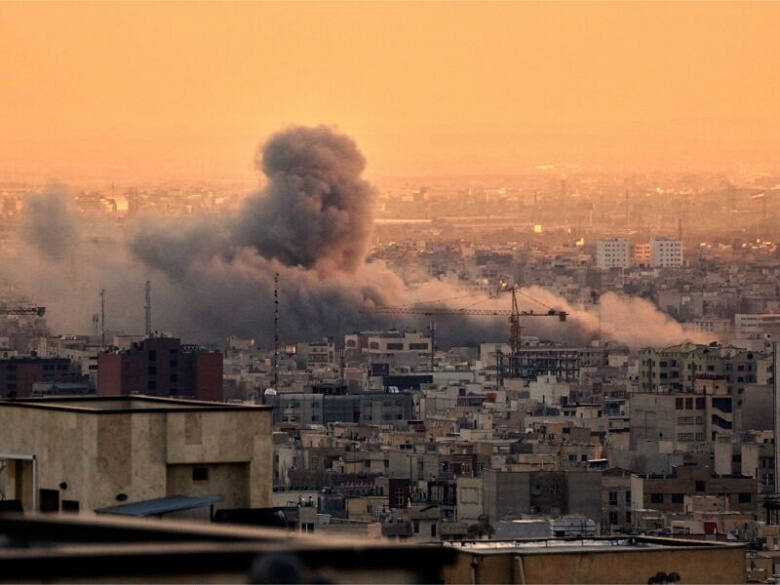
Amazon Web Services (AWS) suffered significant damage after drone attacks targeted three of its data centers in the Middle East, laying bare the risks cloud providers face in geopolitically volatile regions. Two data centers in the United Arab Emirates were hit directly, while a facility in Bahrain experienced collateral damage when a drone crashed nearby. These assaults disrupted power supplies and led to structural harm, forcing emergency responses such as firefighting that further affected the facilities.
AWS, as the backbone for countless government, educational, and business operations worldwide, acknowledged severe service disruptions. Customers experienced increased errors and degraded availability, complicating workflows that depend heavily on cloud infrastructure. Despite ongoing recovery efforts, Amazon notes the overall operational outlook in the region remains unpredictable.
Geopolitical risks hitting cloud infrastructure
The attacks underscore a growing vulnerability for tech giants relying on data centers in unstable regions. While the cloud is often hailed as borderless and resilient, physical infrastructure remains susceptible to traditional conflict zones and asymmetric warfare, such as drone assaults. These incidents illustrate how political tensions ripple through digital supply chains, posing new challenges beyond cyberattacks – tangible destruction of critical hardware and network disruptions.
The recommended mitigation-relocating workloads to alternative regions-reveals the uneven global distribution of cloud infrastructure and the risk concentration in hotspots. As cloud providers expand in emerging markets, they confront a balancing act between proximity to users and exposure to conflict-related threats. Amazon’s advice for clients to reroute traffic away from affected Middle Eastern data centers signals a necessary shift in emergency disaster planning within cloud operations.
What’s next for cloud security and resilience?
This episode raises pressing questions about the future resilience of cloud services in contested areas. AWS’s recovery timeline and strategy will likely influence how other providers handle similar risks. Industry players must consider not only digital security but also physical security layers, emergency backup plans, and diversification of infrastructure locations. Customers may increasingly demand more transparent risk assessments and clearer contingency options from cloud providers.
Meanwhile, these events highlight a broader trend: the clash between global tech dependency and regional instability. As digital transformation accelerates worldwide, companies are forced to reckon with the limits of their infrastructure’s physical safety-something hardly ever a frontline concern in the era of virtual services. Whether this leads to more robust defenses, greater decentralization, or slower expansion in volatile zones remains to be seen.