

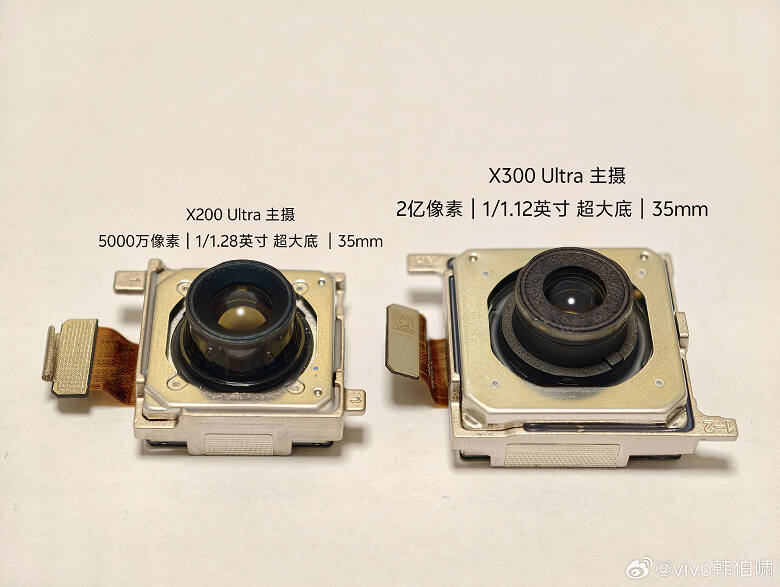
Vivo has unveiled the X300 Ultra, featuring the world’s first Blueprint x Sony LYTIA-901 image sensor, claiming it as the most advanced main smartphone camera to date. This new sensor, combined with Zeiss Master optics and a massive 1/1.12-inch sensor size, promises unprecedented detail and light sensitivity for mobile photography enthusiasts.
Pushing sensor size and resolution further
The Vivo X300 Ultra leads with a 200-megapixel primary sensor-the first in the world to integrate Blueprint technology with Sony’s new LYTIA-901 chip. It is the only 35mm full-frame equivalent camera in Vivo’s Ultra series, designed specifically to enhance street photography with crisp, high-quality images under varied lighting conditions.
Notably, the sensor measures 1/1.12-inch, which is about 30% larger in light-sensitive area compared to Vivo’s previous generation. Combined with a 35mm focal length lens crafted by Zeiss Master, it offers a blend rarely achieved in smartphones: ultra-high resolution at a natural field of view, favoring everyday shooting styles.
Optics and stabilization enhancements
Vivo upgraded the X300 Ultra’s optics, moving from a 7-element lens setup to a 7-group lens configuration consisting of one glass plus six plastic elements (1G+6P). This redesign incorporates an anti-reflective coating that reduces glare by 30%, improving clarity when shooting in challenging lighting. Image stabilization has also advanced, pushing from a CIPA rating of 5.0 to a more robust 6.5, standing out amid competitors who often rely on less advanced IS systems.
These technical upgrades reflect Vivo’s strategy to close the gap between smartphone and professional cameras, especially for users who prioritize native focal lengths like 35mm. Street and documentary photographers, in particular, will appreciate the combination of a sensor optimized for detail and light gathering with enterprise-grade lenses.
Plans for accessory expansion
Insider sources reveal that Vivo will support the X300 Ultra with multiple teleconverter accessories. While one teleconverter has already been announced, a second one is in development aimed at casual photographers rather than professionals. This approach signals Vivo’s intent to broaden the appeal of high-end photography tech by making advanced zoom capabilities accessible for everyday users.
Vivo’s breakthrough with the Blueprint x Sony sensor highlights an ongoing trend where smartphone makers push sensor technology, often borrowing from pro-level imaging hardware, to charm photography aficionados. However, it also raises questions about the practical benefits of such large sensors and ultra-high resolutions in phones, especially given the challenges of heat management and processing power.
With rivals like Samsung and Apple also racing to improve sensor sizes and optics in their flagships, Vivo’s aggressive leap with the X300 Ultra could intensify competition in the mobile photography arena this year-particularly in markets where picture quality influences consumer choice more than specs alone.