

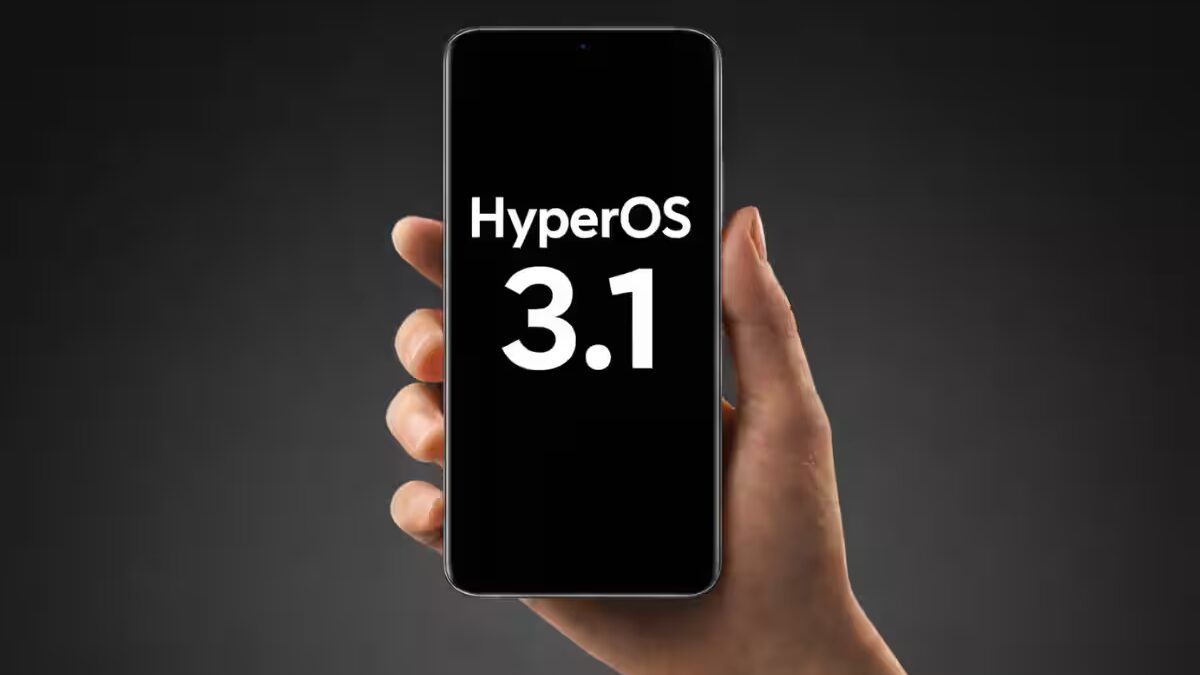
Xiaomi has kicked off the stable rollout of HyperOS 3.1, based on Android 16, for its Xiaomi 17 series and the Redmi K90 Pro Max in China. This update promises smoother interface performance, numerous bug fixes, and revamped apps, marking the brand’s continued push toward a more refined user experience.
After several weeks of closed beta testing, HyperOS 3.1 emerges packed with tweaks: stability improvements, system service enhancements, and faster app launches. For now, the official release is limited to select devices and available exclusively in China, with international availability slated to follow later.
Which devices got HyperOS 3.1 first
- Xiaomi 17 – OS version 3.0.301.0.WPCCNXM
- Xiaomi 17 Pro – OS version 3.0.301.0.WBLCNXM
- Xiaomi 17 Pro Max – OS version 3.0.301.0.WPBCNXM
- Redmi K90 Pro Max – OS version 3.0.301.0.WPMCNXM
What’s new in HyperOS 3.1
Built on Android 16, this update brings a host of fixes and optimizations, including:
- Gesture display optimizations and fixes for data sharing and notes functionality
- Resolution of black screen issues after factory reset, file upload errors in third-party apps, and SIM card recognition glitches
- Improved compatibility with AirPods and proper handling of files in app clones
- Added support for grouped recent tasks in the launcher for a smoother, more intuitive interface
- Gallery and Weather apps rewritten in Rust for better performance
- Bug fixes in the status bar and notifications, particularly network indicator issues
When to expect the update in other regions and on more devices
The rollout began in China and will soon expand to other markets. Xiaomi plans a gradual expansion, step-by-step, covering more models over time. Users will receive update notifications automatically or can manually check by navigating to Settings > My Device > HyperOS logo.
This measured approach speaks volumes about Xiaomi’s ambition to elevate its software experience by steadily ironing out key bugs and adding useful features. While competitors like Samsung and Huawei continue developing their own custom skins, Xiaomi’s HyperOS strikes a smart balance between innovation and reliability. This strategy helps it stand apart from both MIUI and stock Android, appealing to users who want fresh features without sacrificing stability.
For Russian readers familiar with Xiaomi’s dominance in the local market and the common frustration with fragmented OS updates across the brand’s lineup, this rollout signals a more unified, consistent software future. The move to HyperOS-effectively replacing MIUI for flagship devices-reflects Xiaomi’s desire to match international high standards while catering to its home base of millions of loyal users.
In the wider context, Xiaomi’s journey with HyperOS highlights how Chinese smartphone makers are increasingly shaping global mobile OS experiences. By building on Android 16 and integrating Rust-based apps, Xiaomi showcases modern software practices that rival global tech leaders. The careful, phased rollout also suggests a commitment to quality over hype, which could set a new benchmark for Android custom interfaces worldwide.