

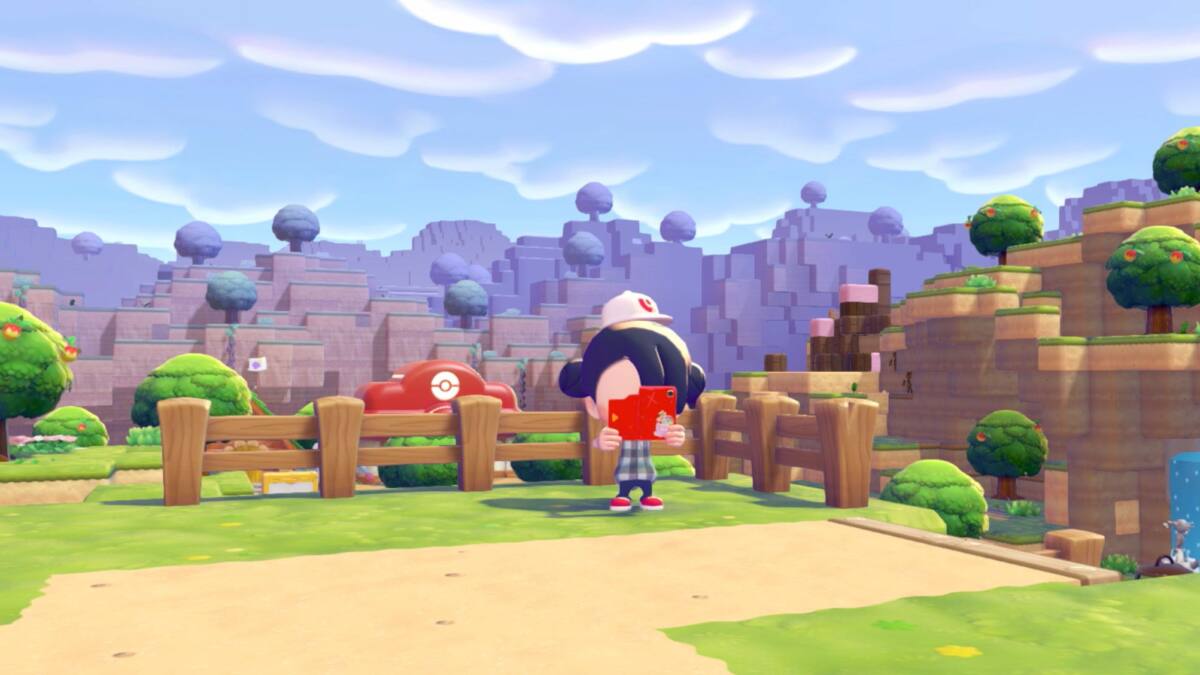
Pokémon Pokopia offers a fresh take on the classic creature-collecting formula, featuring its own expansive Pokédex complete with detailed habitat and specialty information for each monster. Instead of simply listing creatures, the in-game Pokédex groups Pokémon by their locations and availability, even noting times of day and weather preferences. This layered approach transforms exploration into a strategic endeavor as players discover when and where to find their favorite Pokémon.
Navigating the world of Pokémon Pokopia
This new Pokédex in Pokémon Pokopia organizes the creatures not alphabetically or by region but loosely by their natural habitats and availability conditions. For example, early-stage Pokémon like Bulbasaur, Charmander, and Squirtle occupy green, familiar biomes such as tall grass and flower fields, often with added elements like benches or garden terraces. Time of day and weather also influence their appearances, adding a richer dimension to when a player might encounter specific species, such as Charmander thriving under sunny or cloudy skies.
Specialties are unique to each Pokémon, hinting at how they might assist the player or interact with the environment-ranging from simple traits like ”Grow” or ”Fly” to more intricate roles like ”Trade” or ”Storage.” This feature not only diversifies gameplay but encourages players to consider their collection strategically based on their needs and surroundings.
From common pests to legendary enigmas
The Pokédex catalog includes fan favorites, from classic starters and their evolutions to the likes of Pidgey, Oddish, and Vileplume. The list also features creatures active only at specific times, such as Noctowl appearing during night hours or Illumise lighting up hydrated flower beds. Weather-dependent Pokémon like Goomy enjoy rainy conditions, while others, such as Cacnea, take advantage of sunny-day habitats.
Notably, the Pokédex reserves legendary and mysterious Pokémon like Mewtwo and Zapdos for bottom-tier listings, underscoring their rarity. Yet their exact habitats remain somewhat vague, which may fuel player intrigue and future game updates to reveal more precise locations.
Why this matters for players and the franchise
By anchoring Pokémon to specific times, weather, and niche habitats within the game’s world environments, Pokémon Pokopia shifts the collection challenge from random encounters to informed exploration. This design invites players to plan expeditions, return to previous areas under new conditions, and build a team not just by strength but by complementary roles and availability. It adds layers to the traditional catch ’em all ethos, turning it into a puzzle with environmental variables.
This evolution in the Pokédex format aligns with broader trends in open-world and simulation games that reward player attention to ecological detail. Competitors and predecessors alike have flirted with habitat-specific spawns, but Pokopia’s explicit tie-ins to time and weather refine this mechanic further, blurring lines between tactical planning and casual exploration.
Still, questions linger about how the game will expand this living ecosystem over time. The presence of numerous question marks beside several Pokémon suggests ongoing updates may introduce new creatures and habitats. Players keen on completion might find themselves regularly revisiting the game to fill in the gaps of this dynamically evolving Pokédex.