

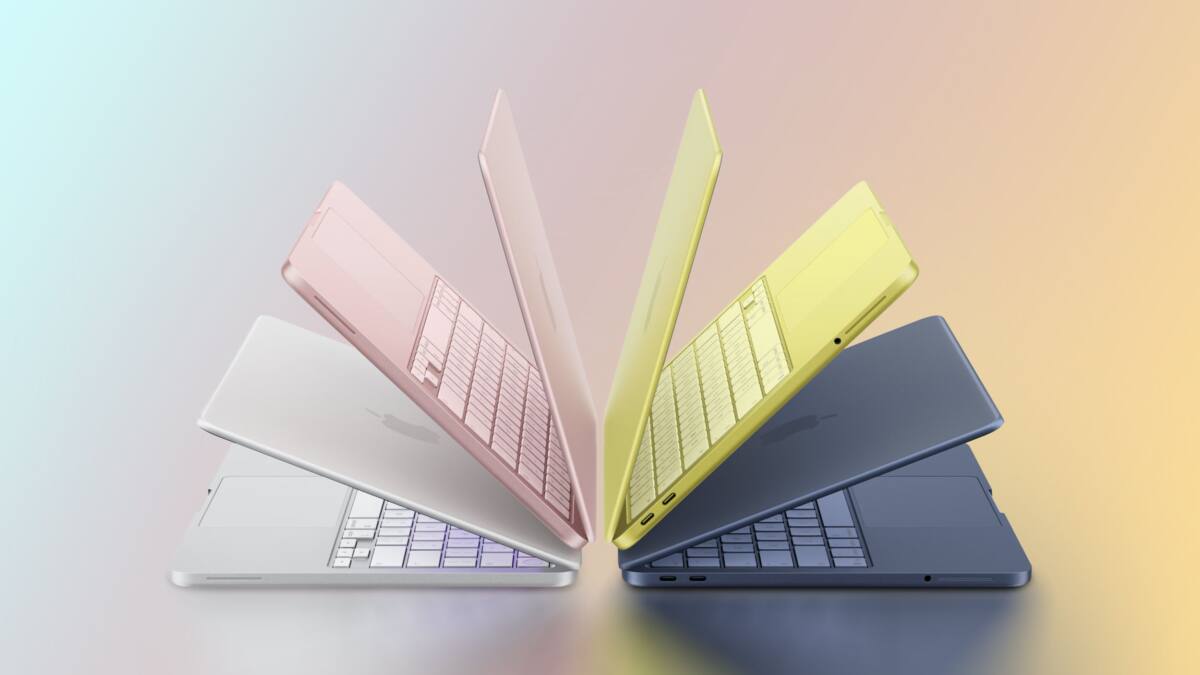
Apple has opted to sell its latest MacBook Neo, MacBook Air, and MacBook Pro models without including a charger in the box across the UK and European Union, marking a notable departure from its global packaging approach. While customers in these countries-such as Germany, France, Italy, and Spain-must now buy a power adapter separately, buyers elsewhere still receive one bundled with their MacBooks, highlighting a rare regional divergence tied to regulatory concerns and market expectations.
This shift, first introduced with the base 14-inch MacBook Pro last year in the UK and EU, now extends to all models in these markets. Apple’s official stance has been influenced by tightening regulations and environmental goals aimed at reducing electronic waste, though it has drawn criticism from those who see it as a nudge forcing consumers to spend more unless they already own a compatible charger.
In places like the United States, buyers still find chargers included-for instance, the MacBook Neo ships with Apple’s 20W USB-C Power Adapter (valued at $19 if purchased separately), and the 16-inch MacBook Pro comes with the more powerful 140W USB-C Power Adapter (worth $99 retail). This inconsistency between regions raises questions about Apple’s cost-saving strategies and the impact of different national regulations on product packaging.
Apple continues to include a USB-C or MagSafe 3 charging cable with every new MacBook worldwide, ensuring users have the essential link between their laptop and power source. But the absence of an included power brick in the UK and EU, where customers must decide during purchase whether to add a charger, could influence buying decisions or create frustration, especially for new Mac users without spare accessories.
Why Apple’s charging policy varies by region
The reality behind Apple’s selective charger omission likely stems from the EU’s strict electronic waste regulations and the bloc’s broader push for sustainability. The EU has previously mandated unified charging standards and encouraged companies to minimize waste by avoiding duplicate accessories. Apple, seeking to align with these rules while maintaining competitive pricing, appears to have tested this charger-free model regionally before a potential wider rollout.
However, this approach is a double-edged sword. On one side, excluding chargers can reduce packaging size and shipping emissions, effectively lowering carbon footprints. On the other, forcing consumers who lack a compatible charger to purchase one separately could increase overall electronic waste and costs, contradicting environmental objectives and complicating user experiences.
Furthermore, by contrasting regional approaches, Apple implicitly acknowledges diverse market expectations and regulatory environments. While U.S. consumers still benefit from plug-and-play convenience, European buyers might perceive this as nickel-and-diming. This inconsistency opens Apple to criticism and comparisons to competitors who standardize their packaging worldwide, even if sometimes at greater cost.
What this means for MacBook buyers and the broader industry
The charger exclusion in the UK and EU might nudge customers to rethink how they purchase and use power accessories. Users with existing USB-C or MagSafe 3 adapters will appreciate the environmental logic; those new to the ecosystem might see it as an unwelcome hurdle. Apple’s move also sets a precedent, as other laptop makers could follow regional regulatory nuances instead of adopting a single global packaging strategy.
This development comes amid growing consumer fatigue over tech companies’ shifting accessory policies-seen in smartphone markets where chargers and headphones frequently disappear from boxes. The MacBook charger decision exemplifies how environmental intentions clash with consumer convenience and perceived value, forcing a balancing act that isn’t easily won.
As Apple continues to promote efficiency with its new MacBook Neo utilizing the A18 Pro chip, the charging debate remains a subtle but important part of the ownership experience that could influence brand loyalty. Whether Apple will expand or retract this charger-less policy outside Europe remains to be seen, especially if negative feedback grows or new regulations evolve.