

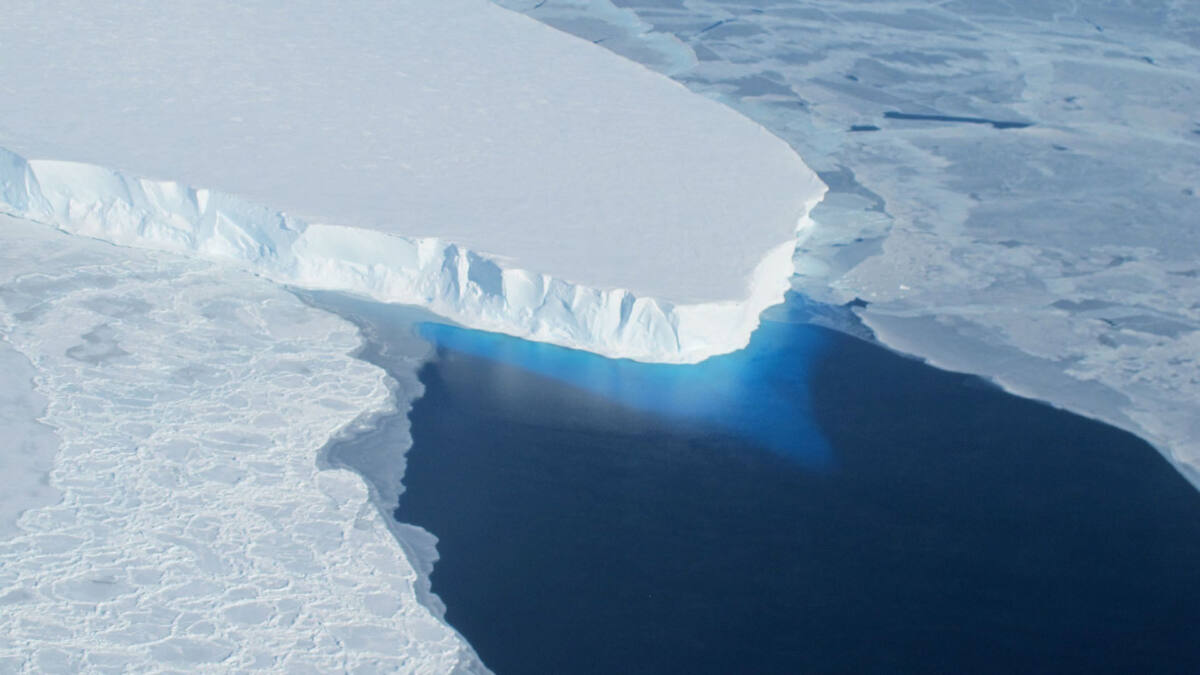
Satellite data spanning three decades reveals that Antarctica has lost nearly 5,000 square miles of grounded ice – ice anchored to bedrock – since 1992, an area roughly twice the size of Delaware. This retreat marks a critical shift in the continent’s stability, as grounded ice loss directly contributes to rising global sea levels by releasing once-landlocked ice into the ocean.
The comprehensive study, led by researchers at the University of California, Irvine, tracked movements of Antarctica’s ”grounding line,” the invisible boundary where ice anchored on land begins to float. The retreat of this line indicates ice sheet destabilization and foreshadows future ice mass loss, intensified by warming ocean currents eroding ice shelves from beneath.
Uneven retreat exposes Antarctica’s vulnerable margins
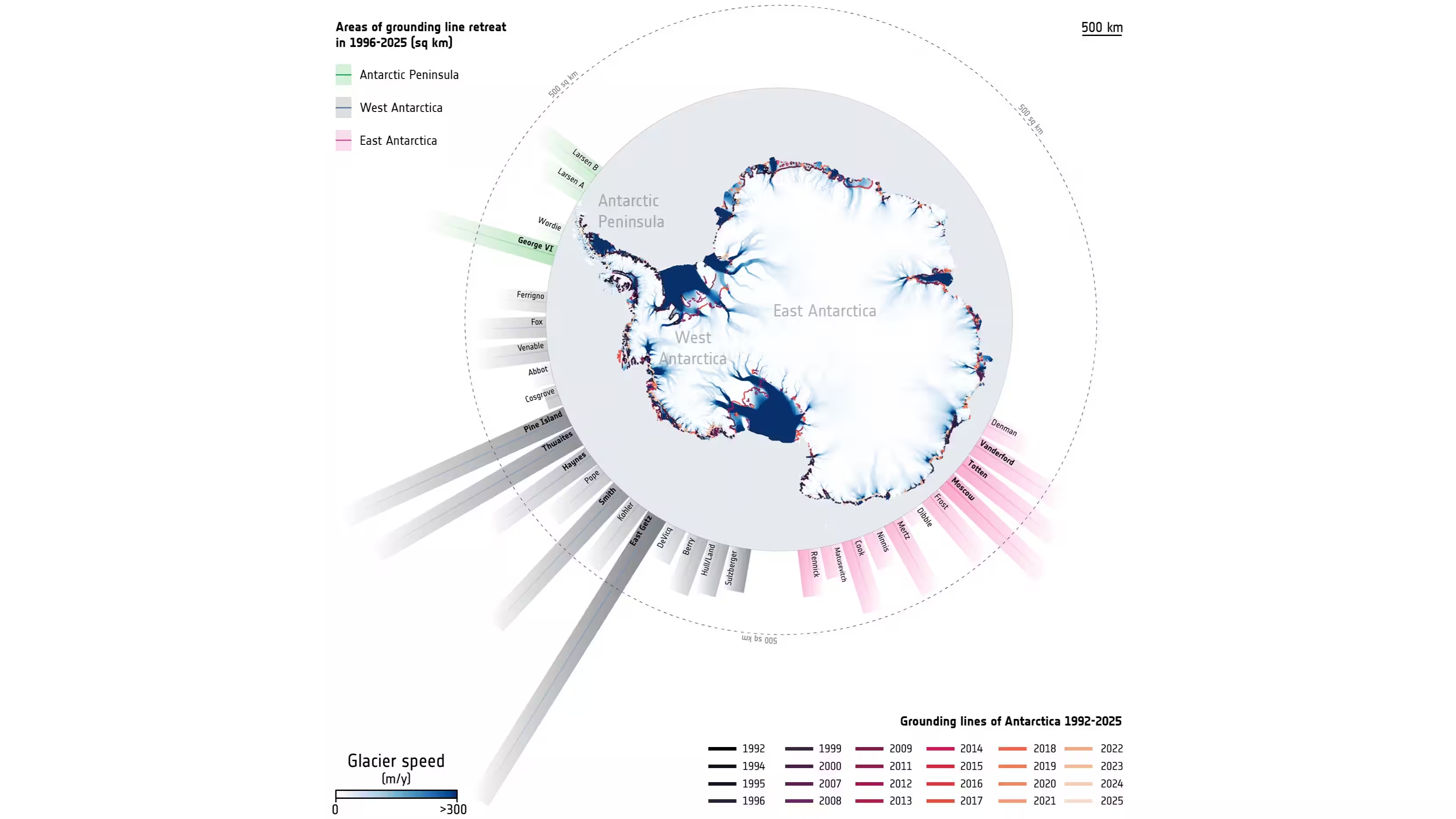
The research, which incorporates radar data from multiple international satellite programs, shows that while 77% of Antarctica’s coastline has remained relatively stable, certain hotspots are experiencing severe grounding line retreat. The Amundsen Sea coast and Getz sector in West Antarctica witnessed some of the most dramatic withdrawals, with grounding lines receding up to 26 miles. These areas feature deep underwater channels that funnel warm ocean water beneath glaciers, accelerating melting from below.
This underwater melting thins vital floating ice shelves that act like buttresses, preventing glaciers from accelerating into the sea. As these shelves deteriorate, the glaciers lose support and speed up, pushing more ice into the ocean – a feedback loop that threatens to push up future sea level rise.
Curiously, the northeast Antarctic Peninsula offers a confounding puzzle: although ice shelves there collapsed earlier and glaciers have retreated, there’s no clear signature of warm ocean water driving the change. Scientists suggest other unexplained forces might be at work, highlighting gaps in our understanding of Antarctic ice dynamics.
From observation to model validation
One key outcome of this long-term monitoring is a benchmark for climate models projecting future sea level rise. Models must accurately reproduce the grounded ice retreat observed over the past 30 years to be trusted for longer-range forecasts. This real-world dataset provides a vital test of model credibility often missing in simulated climate scenarios.
Despite much of Antarctica currently maintaining a precarious balance, scientists warn this may not last. Should warming oceans encroach further, the retreat could spread more widely, unleashing much larger contributions to global sea level rise than presently observed. The situation is reminiscent of breaking points: with certain regions already in retreat, the next phase could be far more severe.
This study, published in the Proceedings of the National Academy of Sciences, underscores the continent’s complex and uneven response to climate change. The dual narrative of vast stability cloaking isolated but accelerating losses reminds us that Antarctic ice is not a monolith – its fate hangs by fragile, shifting margins.