

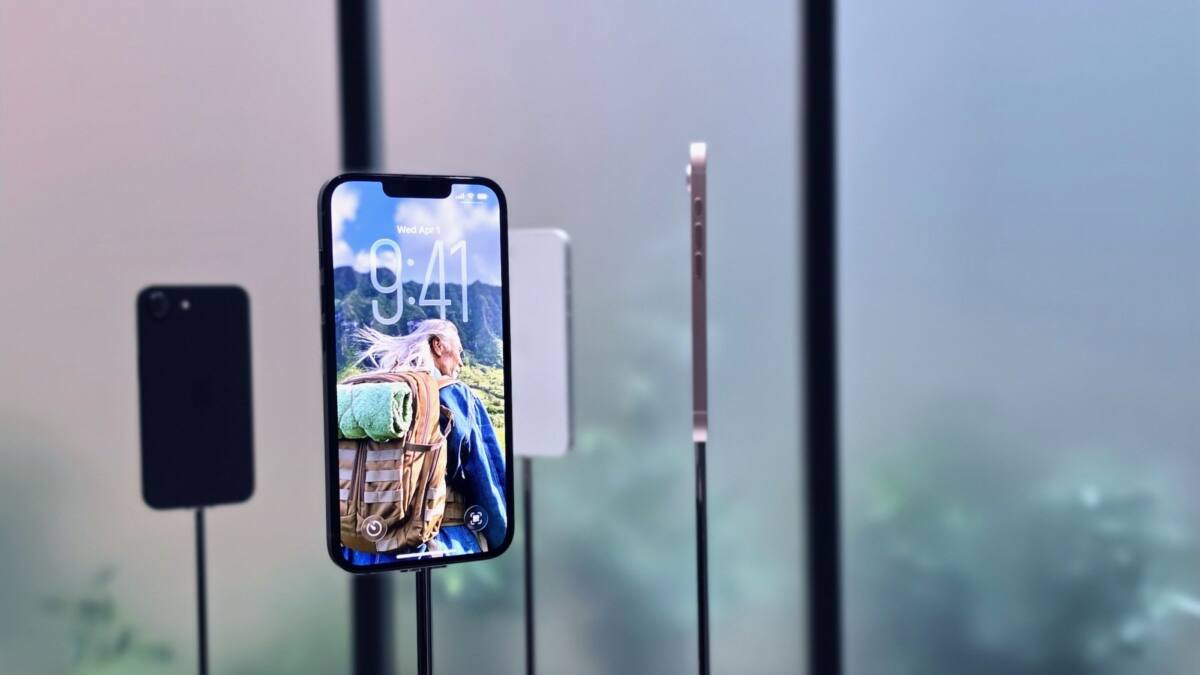
Apple quietly unleashed a wave of new products this week, including fresh silicon across its laptops and tablets, a budget-friendly MacBook Neo, and a premium Studio Display XDR that challenges its own previous flagship monitor-all without a big keynote event. These releases showcase Apple’s strategy of iterating aggressively on performance while sprinkling in selective features and price points, shaking up expectations for both entry-level and pro users alike.
The highlight in Apple’s mobile lineup is the iPhone 17e, which shares the powerful A19 chip with its flagship siblings and introduces a cellular modem twice as fast as last year’s model. Its camera sports a 48MP Fusion lens capable of optical-quality 2x telephoto, and the inclusion of MagSafe charging at double the previous wattage hints at a subtle push to modernize mid-range users’ experience. The storage baseline doubling to 256GB at a $599 price makes it more competitive than ever.
On the laptop front, the MacBook Air with Apple’s newest M5 chip promises staggering gains in AI-related tasks-up to four times faster than last year’s M4-and doubles storage, starting at 512GB. Wi-Fi 7 and Bluetooth 6 come via a new N1 wireless chip, but the design and battery life remain unchanged, suggesting Apple is focusing on evolving the core performance while holding steady on form factor comfort.
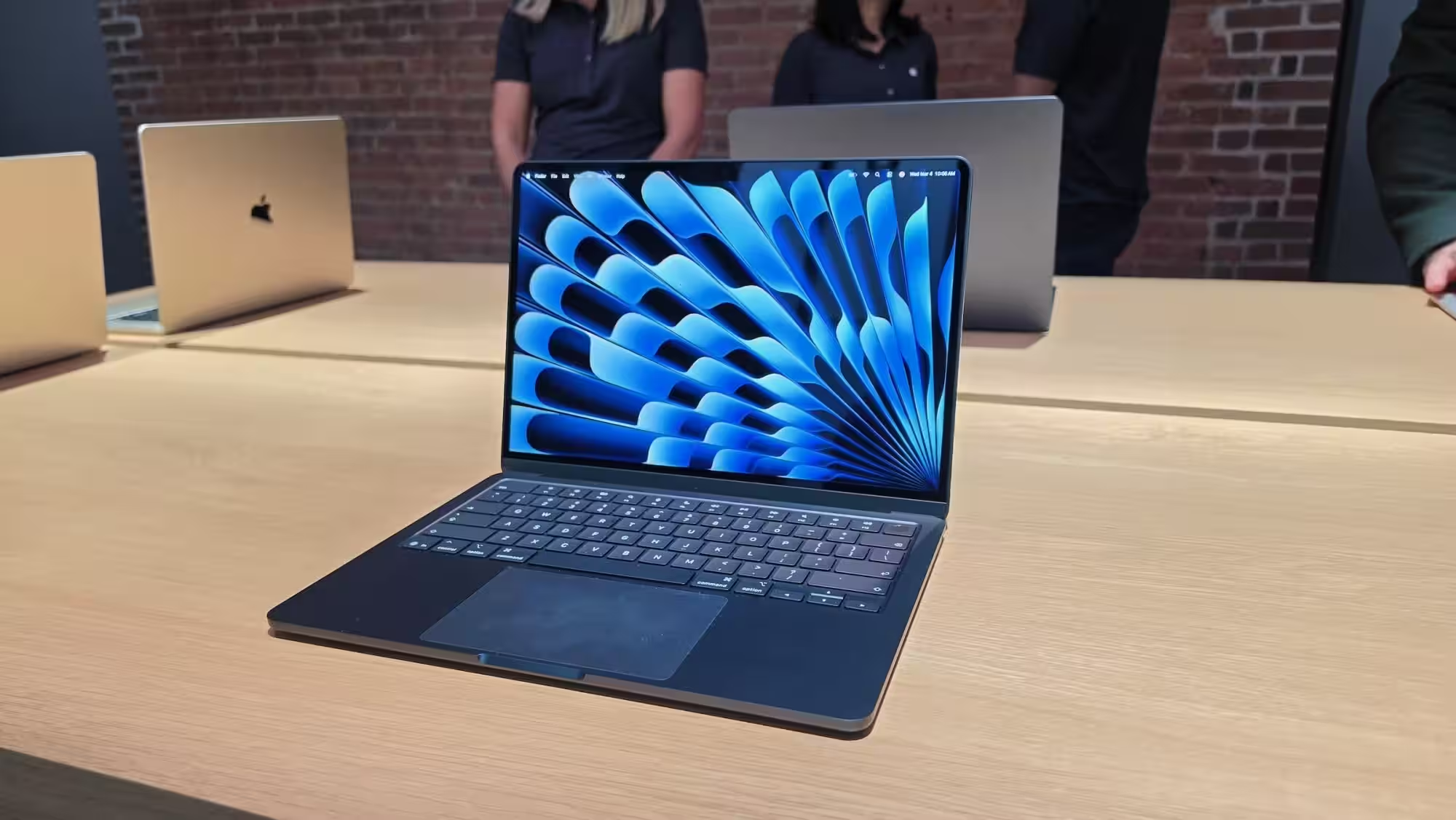
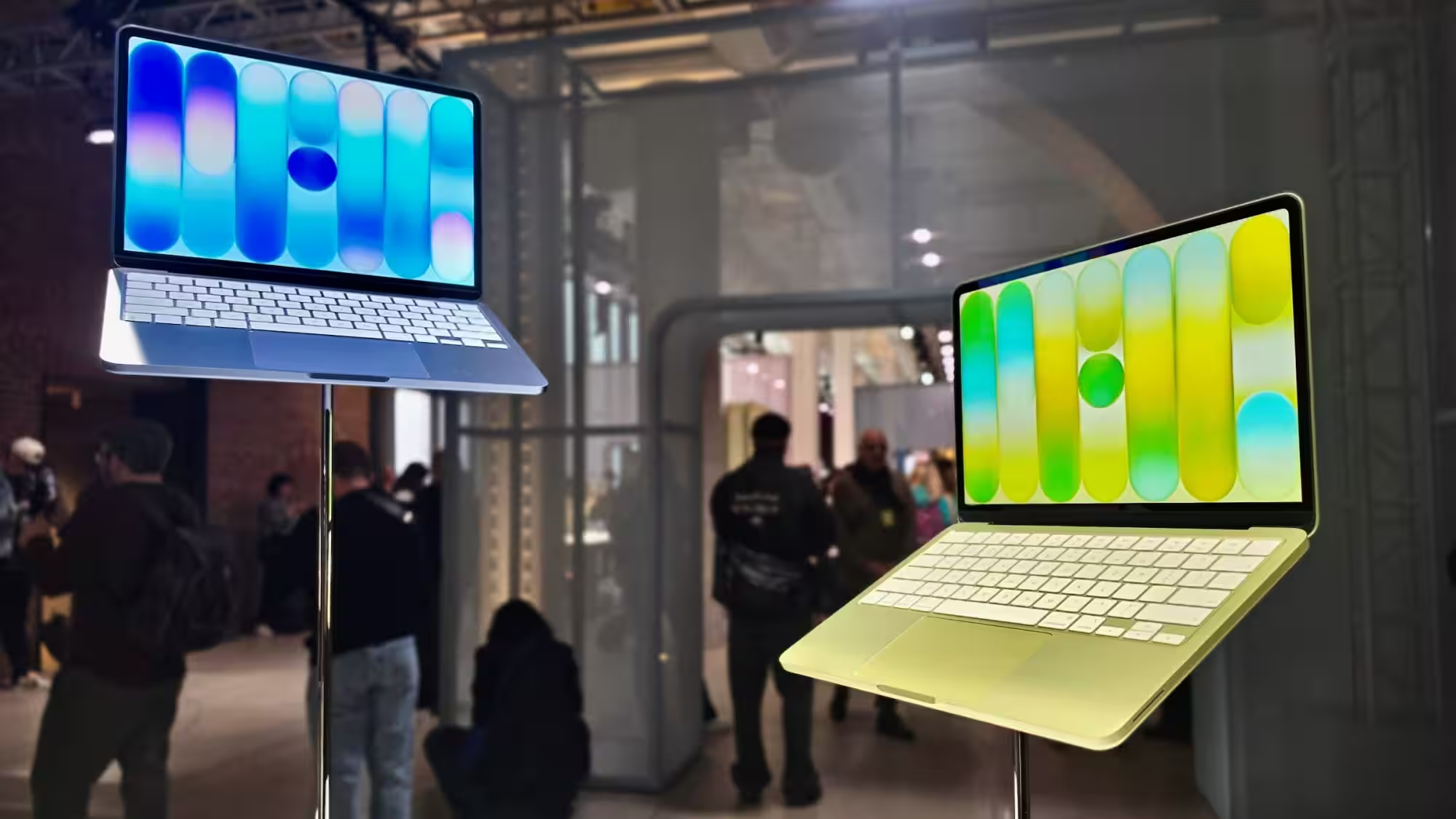
Adding a new entry point to the MacBook family, the MacBook Neo starts at a remarkably low $599, making it Apple’s most accessible laptop to date. Running the A18 Pro chip from the iPhone 16 Pro series and limited to 8GB of RAM, it forcibly narrows its audience-those needing more muscle or features like Touch ID pay an optional premium. Its smaller battery and modest specs make it clear this model is for casual users, students, or those eyeing the Apple ecosystem on a budget.
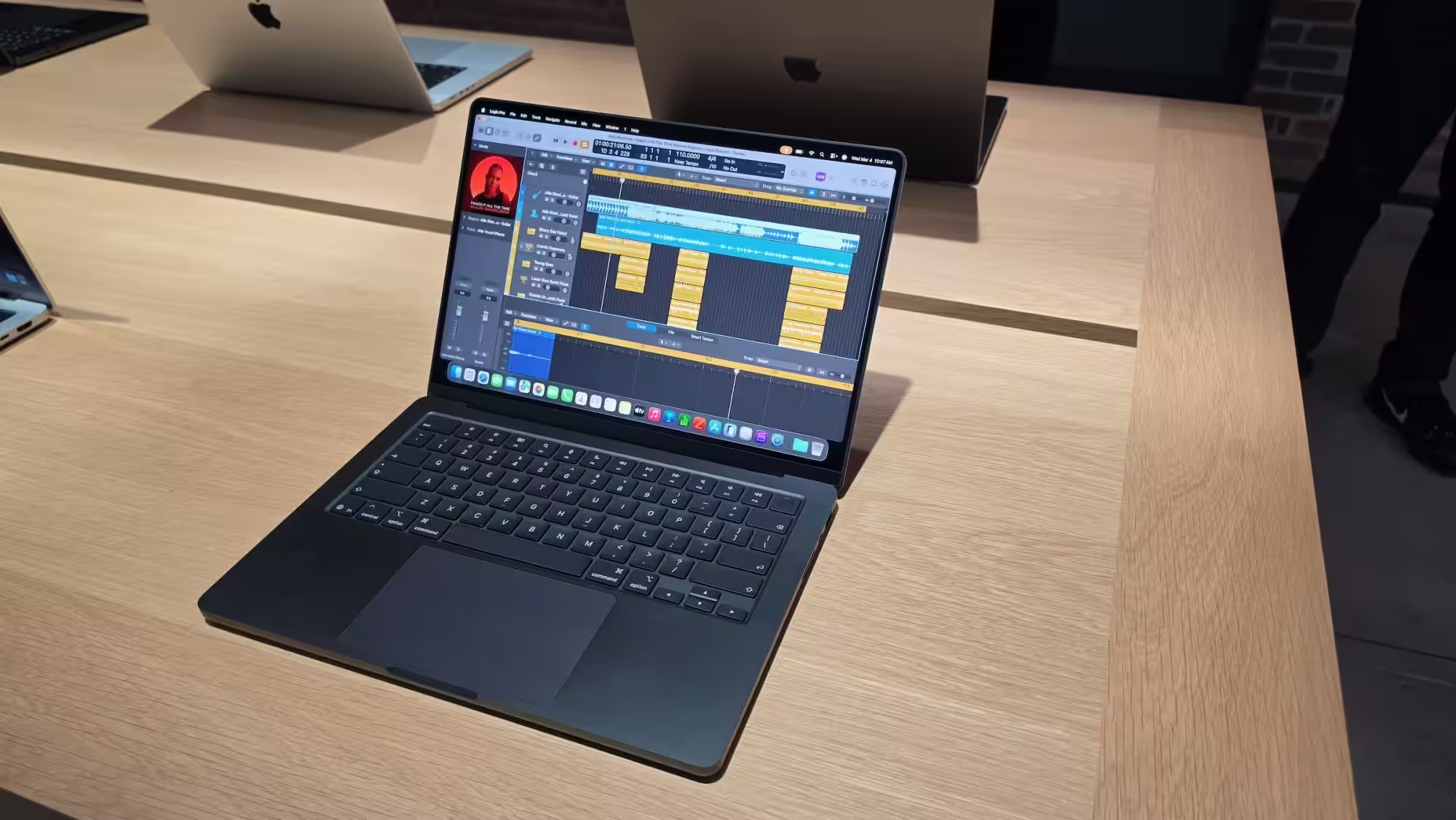
The high-end 14- and 16-inch MacBook Pro models receive M5 Pro and M5 Max chips boasting a novel Fusion Architecture that marries two dies into one, which Apple credits for massive leaps in AI performance. With up to 40 GPU cores and 128GB of unified memory on the M5 Max, these machines target professionals handling intensive modeling, sound design, and coding tasks. Storage speeds have doubled, and the addition of Thunderbolt 5 ports alongside Wi-Fi 7 improves I/O and wireless connectivity.
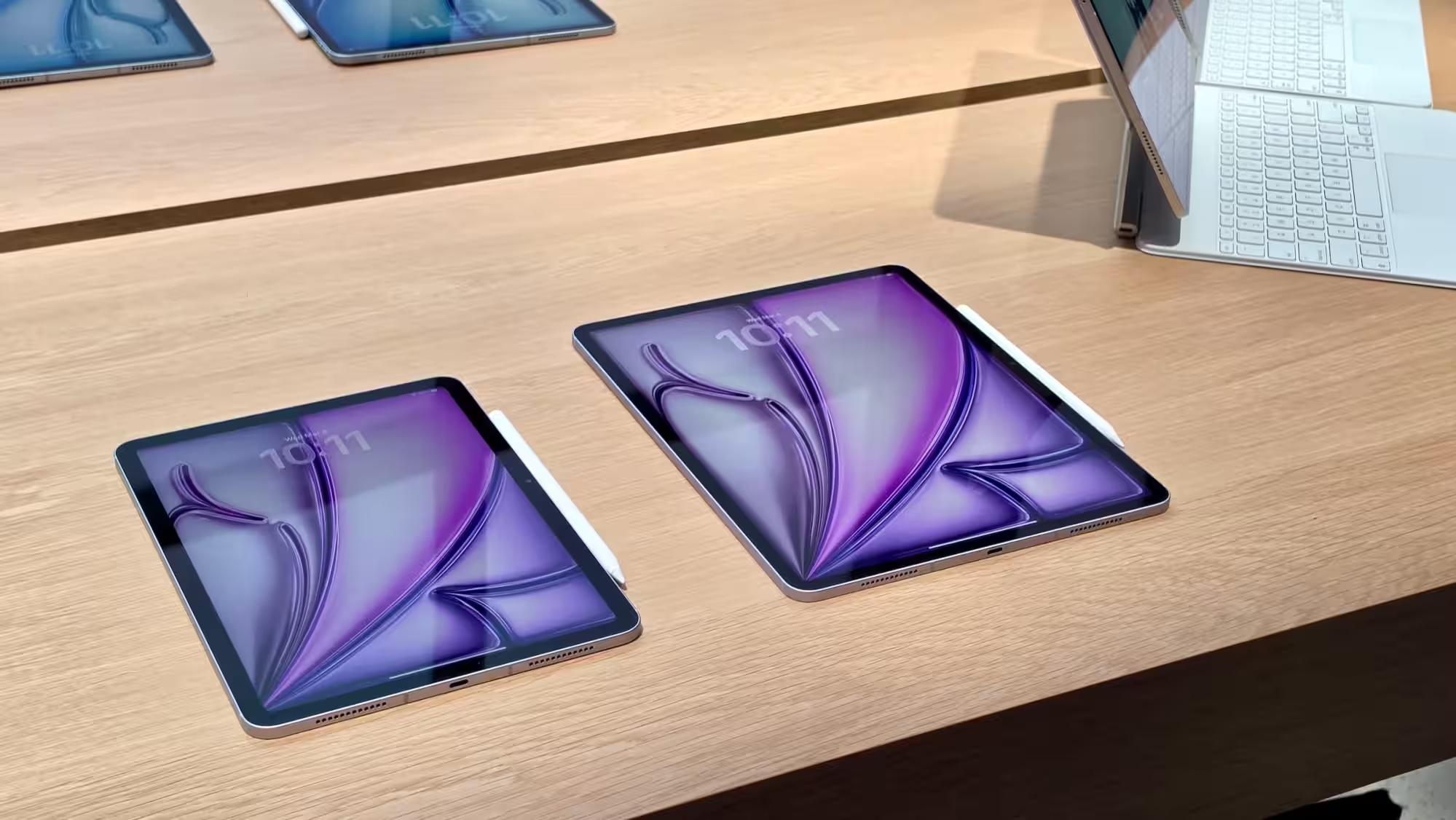
The iPad Air also steps up with the M4 chip, now offering 12GB of unified memory and Wi-Fi 7 thanks to the N1 chip. Apple aims at creators and power users by boosting performance by 30 percent over the M3 and slashing cellular modem power consumption by 30 percent, a win for mobile professionals who rely on battery life and fast connectivity.
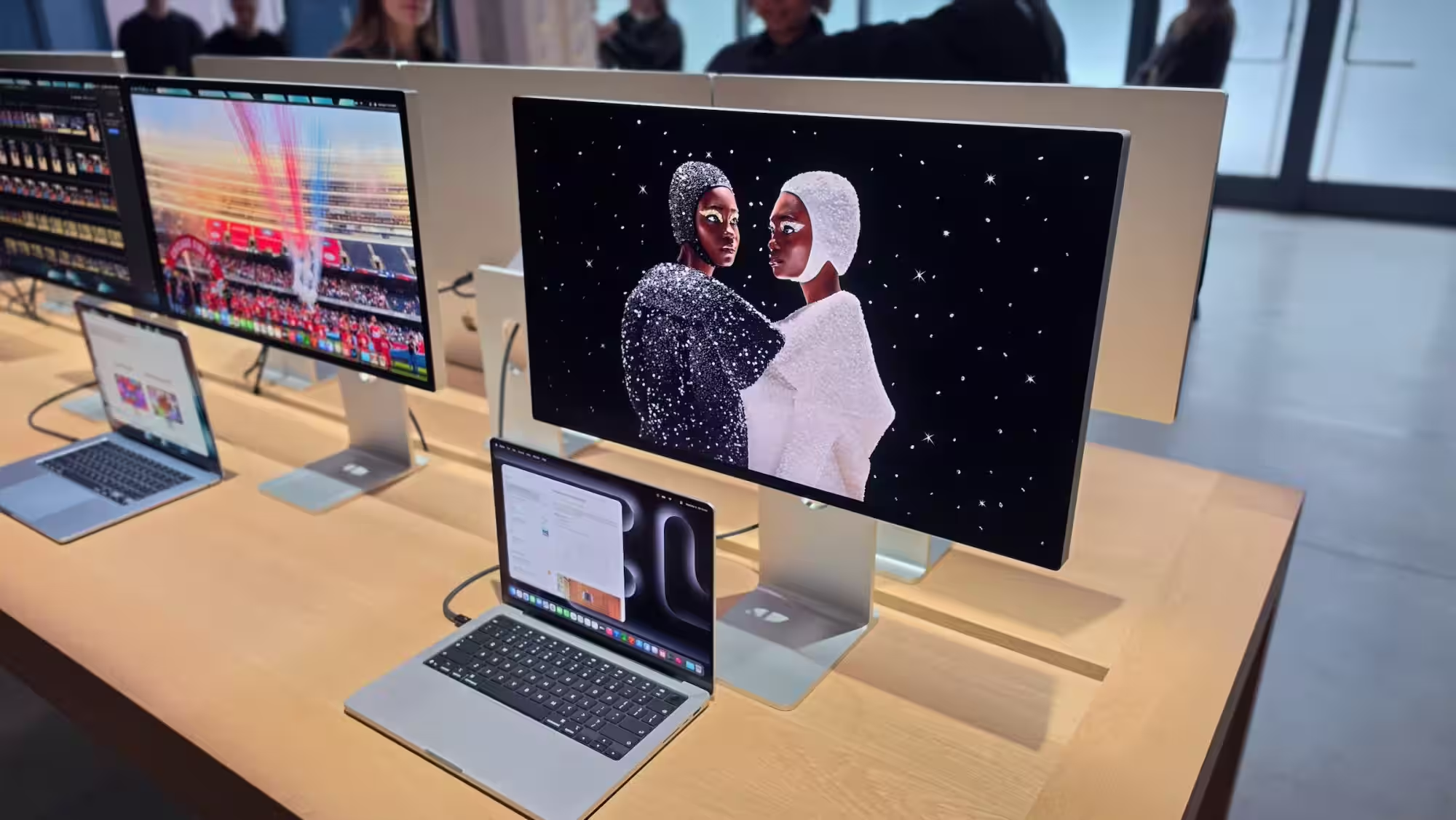
On the display front, Apple retools its external monitors with a refreshed Studio Display and a new Studio Display XDR. The former keeps the beloved 27-inch 5K Retina panel but adds Thunderbolt 5 for daisy-chaining and upgrades the FaceTime camera to a 12MP Center Stage unit with Desk View functionality. The Studio Display XDR goes further, introducing a 27-inch mini-LED screen with 2,000 nits peak brightness and a fluid 120Hz refresh rate. It also supports Adobe RGB and sports DICOM presets, pending FDA clearance, clearly aiming at professionals who need precise color accuracy and diagnostic-grade imaging. Notably, it undercuts Apple’s previous Pro Display XDR by $2,700, signaling a shift toward more accessible high-end displays.
All these new devices are available for pre-order as of March 4, with shipments starting March 11-no keynote or fanfare required. Apple’s quietly aggressive upgrade path targets a broad spectrum of users, from budget-conscious buyers dipping into the Mac ecosystem with MacBook Neo to pros demanding blistering AI performance and color fidelity in their workflows.
However, while these specs and price moves seem smart on paper, real-world impact will depend on how Apple balances performance gains without overshadowing existing models or confusing customers with nuanced tiering. The modest design tweaks suggest Apple is banking more on silicon and feature upgrades than radical hardware refreshes. Whether competitors will match or beat the new Wi-Fi 7 and AI performance claims remains to be seen, but Apple is clearly setting the pace for 2026’s computing and mobile benchmarks.