

Google is abandoning its longtime stance as the sole gatekeeper of Android apps, embracing a new era where third-party app stores can thrive alongside the Google Play Store. This dramatic shift-from strict control to openness-comes after years of legal battles, most notably its high-profile lawsuit with Epic Games. Starting next year, developers and users alike will enjoy unprecedented freedom in app billing choices and app store sources, signaling a major reshaping of the Android ecosystem.
End of monopoly: new billing options and third-party app store program
For years, Google Play functioned as the default entryway to Android apps, enforcing billing systems and fees that developers had to accept. That iron grip is loosening. Google’s upcoming policy changes will let developers either keep using Google Play billing, switch to their own payment systems, or redirect users to external websites for purchases without penalty. This flexibility finally flips the script on Google’s previous all-or-nothing approach, which was challenged in court and deemed anti-competitive by critics.
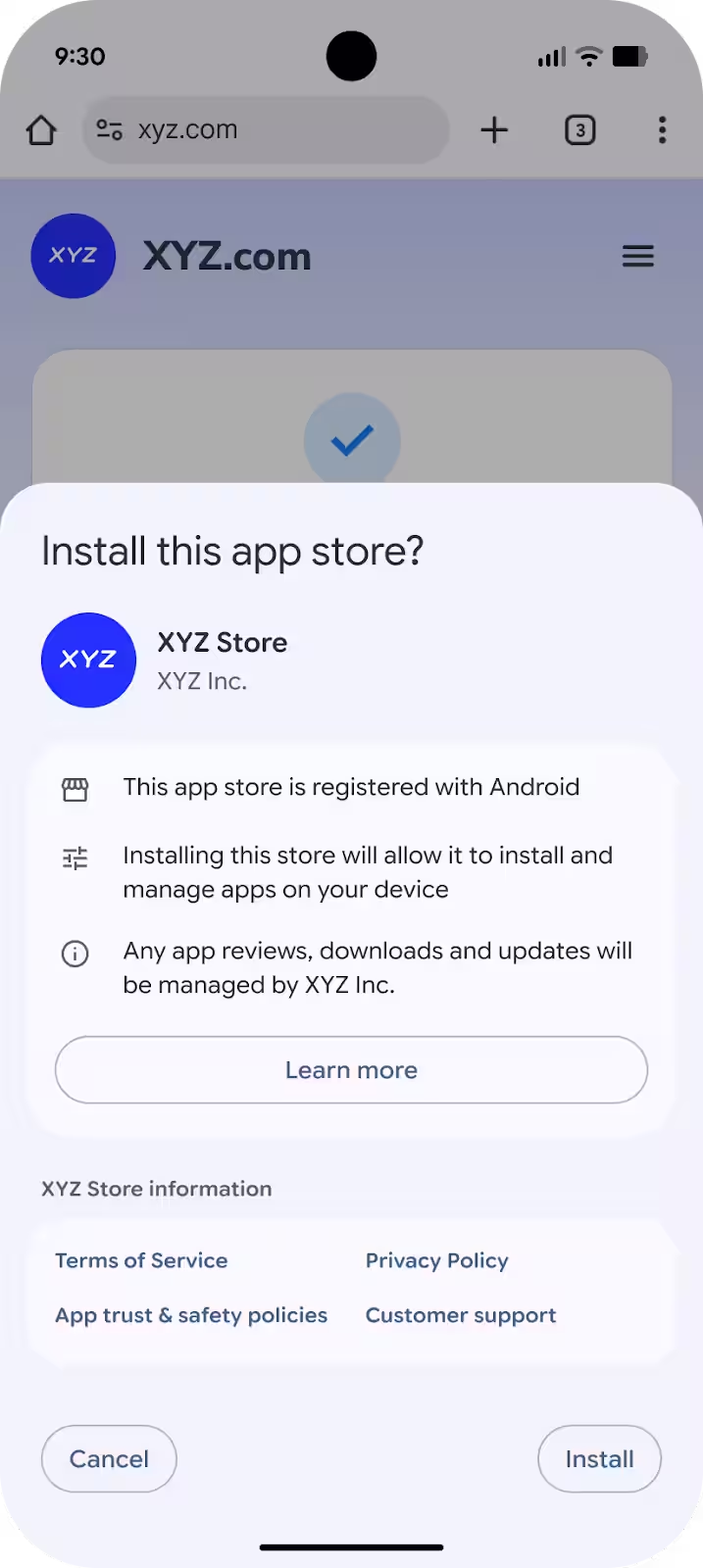
Google is also introducing a ’Registered App Store program’ designed to make sideloading safer and more streamlined. Approved third-party app stores that meet safety standards will offer users a smoother installation experience, shedding the clunky, security-warning-laden process typical of sideloading. Initially launching outside the US, this program’s expansion into the American market hinges on regulatory approvals. This move marks a rare acknowledgment by Google of other app stores as legitimate and trustworthy distribution channels for Android apps.
New fee structures and staggered global rollout
The changes to Google’s fees are as significant as the policy relaxations. Google will separate its service fee from billing fees, offering developers clearer cost structures. The Google Play billing fee itself will drop from 30 percent to 20 percent on new installs, while developers who opt for their own billing systems or direct users outside the app will face different, potentially lower, fees. Special programs like the ’Apps Experience Program’ will also offer reduced fees to incentivize participation.
These updates won’t happen overnight. Google plans a phased rollout beginning mid-2026 in key markets like the US, the UK, and the European Economic Area. Other regions, such as Australia, Korea, and Japan, will follow throughout 2026, with a full global rollout expected by late 2027. This gradual approach likely reflects the complex legal and regulatory landscapes Google must navigate worldwide.
This policy shift is no accident but a response to mounting pressures in the app economy. Competitors like Apple have faced their own scrutiny over app store monopolies and fees. Meanwhile, Epic Games’ lawsuit exposed vulnerabilities in Google’s control that investors and developers alike have watched closely. By relaxing its grip, Google hopes to quell legal challenges and also invigorate Android’s developer ecosystem by fostering more diverse distribution and payment options.
However, questions remain about how this affects users. Will multiple app stores fragment Android’s app ecosystem, complicating updates and security? Can Google enforce safety standards beyond Play Store walls? This delicate balance of openness and control marks a significant chapter for Android’s future – one that could redefine how millions install, pay for, and trust apps on their devices.