


The promise that releasing games across multiple platforms would boost console sales is losing steam. Sony is reportedly dialing back its strategy of launching major PlayStation 5 titles on PC after lackluster results and concerns over brand dilution. Meanwhile, Microsoft is sending mixed signals, with new Xbox leadership emphasizing a focus on core Xbox fans and the console itself, even as it continues a multiplatform approach. This shift suggests that console exclusives, long considered passé in an era of cross-platform gaming, might be making a comeback as a more effective way to attract and unify devoted players.
Just a few years ago, Sony openly embraced a broader reach through PC and mobile ports, hoping to hook fresh audiences who could later step up to owning a PlayStation console. Former CEO Jim Ryan framed this as expanding beyond a ”narrow segment” of gaming. But translating viral hits like God of War or The Last of Us into PC sales didn’t pan out as envisioned. Sources indicate the company grew wary of the strategy’s impact on PlayStation’s cachet, ultimately deciding that exclusivity still holds persuasive power in driving hardware sales and brand loyalty.
Microsoft’s multiplatform experiment faces a crossroads
Microsoft has been the loudest proponent of breaking down platform walls, extending major franchises like Forza to rival consoles and Nintendo systems, and even criticizing exclusives as outdated. CEO Satya Nadella once expressed a desire to ”get rid of the entire exclusives on consoles,” framing such practices as harmful. However, recent leadership shifts hint at reevaluations. Xbox’s new CEO, Asha Sharma, stresses returning attention to dedicated Xbox players and the console as a central identity. Her succinct ”Hear you” reply to calls for exclusives suggests the company is at least acknowledging fan demand for unique, system-specific titles-a stark turn from the broader cross-platform push.
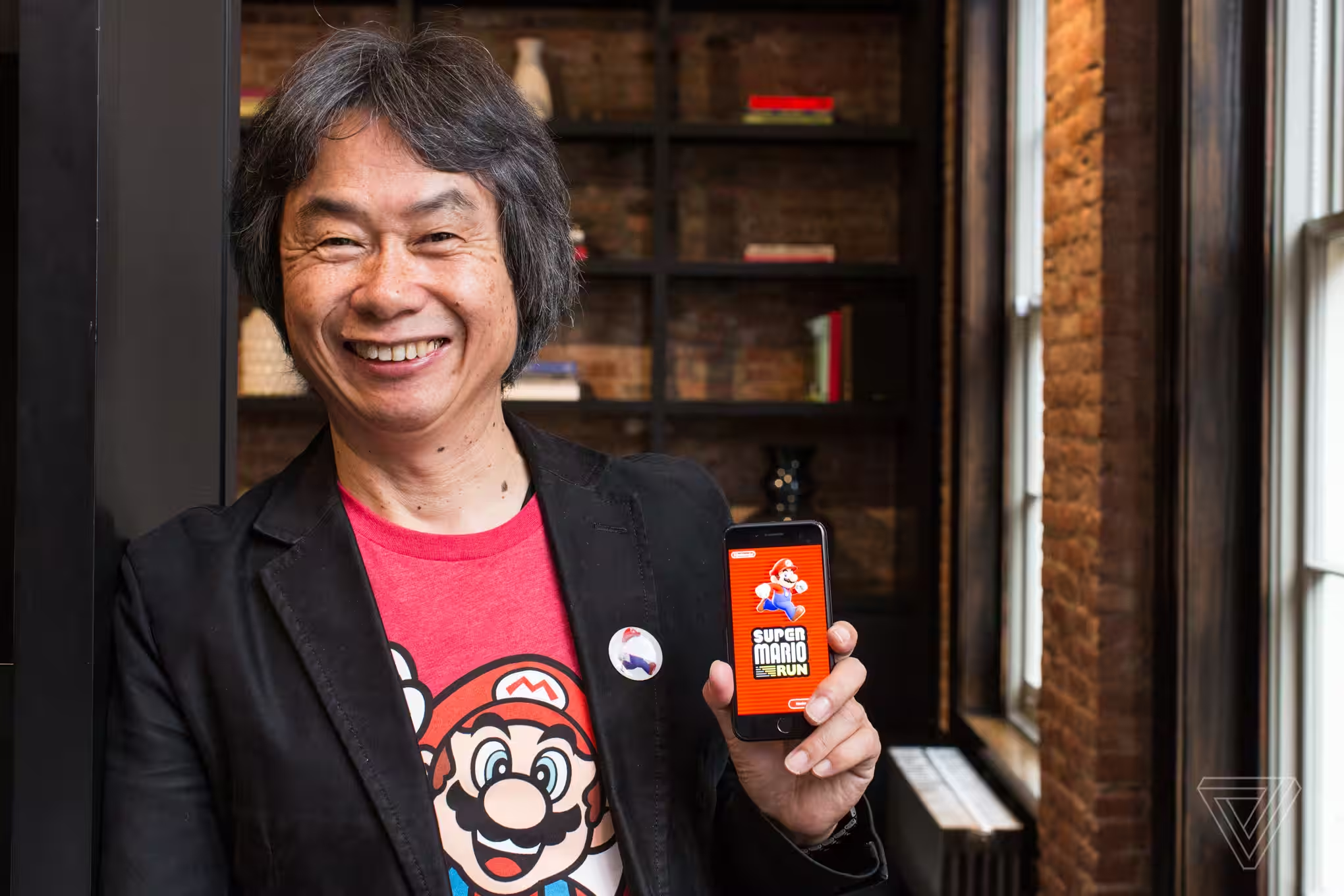
The commercial reality is clear: while cross-platform availability has increased the accessibility and reach of games, it rarely incentivizes gamers to invest in specific console hardware. Nintendo has maintained a strict embrace of exclusive titles to drive its console sales, despite attempts to use mobile to lure new players. The lukewarm response to Super Mario Run on mobile, even with legendary creator Shigeru Miyamoto involved, pushed Nintendo back toward quality exclusives for its devices coupled with cross-media ventures like movies and theme parks.
This shift away from broad multiplatform games signals a return to more focused ecosystem-building strategies. Both Sony and Microsoft, beyond game development, are investing in TV adaptations and cinematic universes based on their popular franchises. Shows like HBO’s The Last of Us and Amazon’s Fallout are expanding audience reach without risking the dilution of their consoles’ brand identities. This dual approach-leveraging exclusive high-profile games alongside transmedia storytelling-seems to be the new playbook in a market where dedicated consoles are no longer an easy sell amid rising prices and stiff competition from cloud gaming and mobile platforms.
Console exclusives may have faded during an experimental phase focused on user expansion at any cost, but they remain vital for brand distinction and prompting hardware sales. The move back to exclusives underscores the importance of cultivating a loyal base rather than merely casting the widest net. As consoles face unprecedented market pressures, the coming years will show if exclusives can reclaim their role as the key reason to buy a dedicated system-or if multiplatform games and media tie-ins together form a more nuanced ecosystem that satisfies both players and platform holders.