

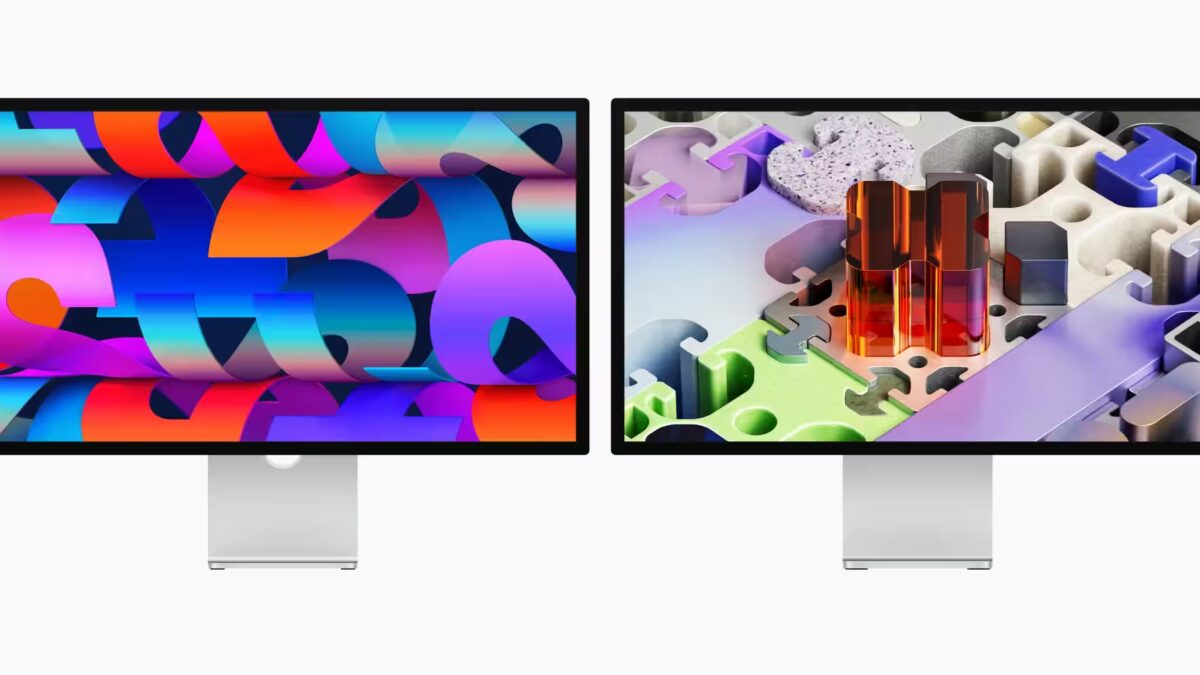
Apple has unveiled two new Studio Display models powered by distinct versions of the A19 chip. The standard Studio Display features the regular A19, while the more advanced Studio Display XDR is equipped with a beefed-up A19 Pro. Both displays significantly outperform last year’s model, which ran on the A13 Bionic, aiming to boost performance and enhance capabilities when working with high-end hardware setups.
This development was confirmed through a firmware analysis revealing that the system recognizes two chip variants. Both processors originally debuted in the iPhone 17 lineup last fall. Apple’s decision to integrate notably different processors within a single monitor series is a rare move that highlights their focus on blending premium components with distinct user needs.
What’s the difference between the A19 and A19 Pro chips in Apple’s new displays
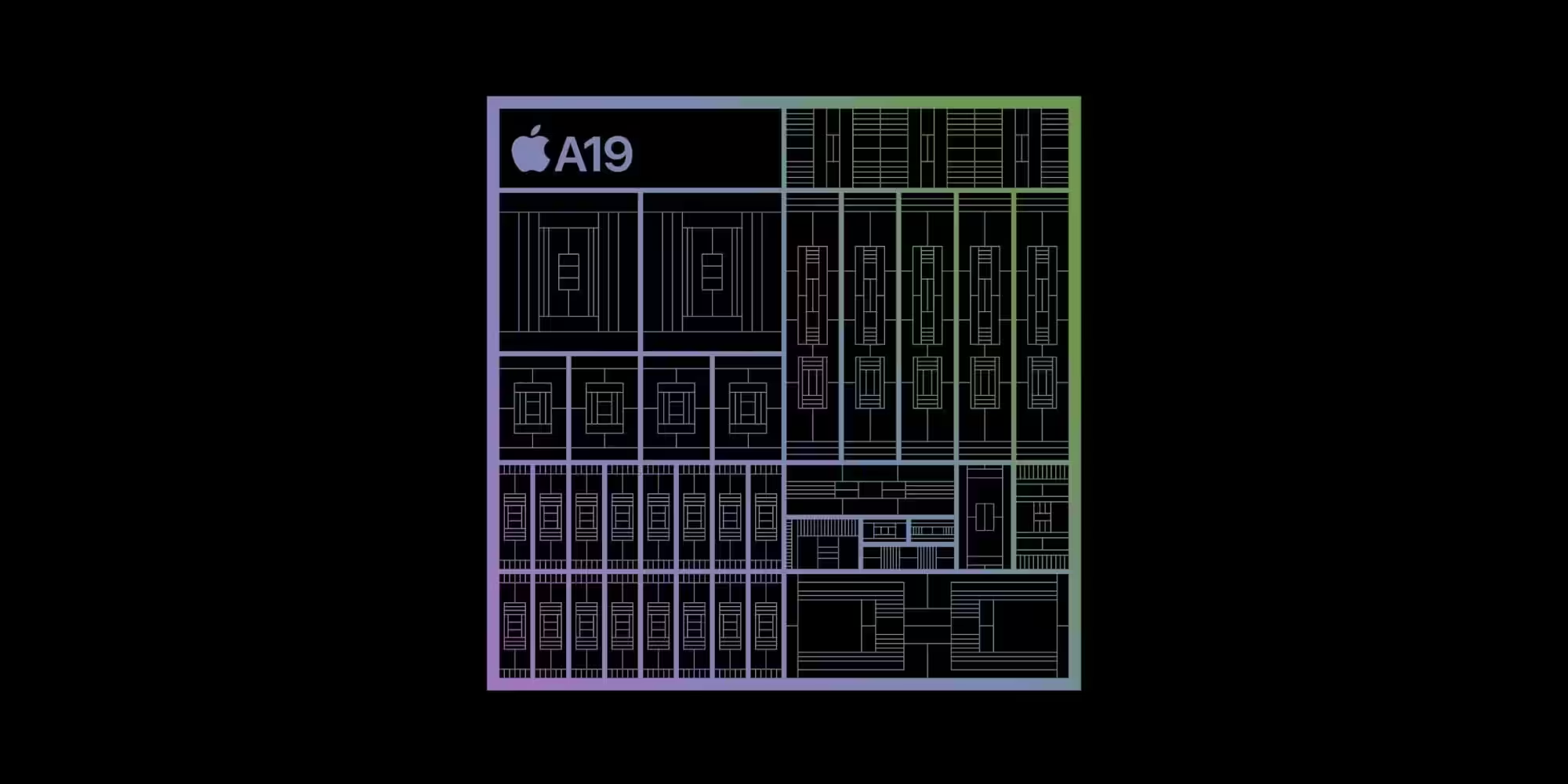
The standard A19 chip in the Studio Display enables improved peripheral management, smoother multitasking, and support for Thunderbolt 5 connectivity. This processor is already a solid step up from the A13, enhancing data throughput and improving audio and camera handling capabilities.
The A19 Pro powering the Studio Display XDR boosts both GPU and CPU performance, likely to efficiently control the mini-LED backlighting and manage more demanding visual effects. This makes the XDR display particularly suitable for professionals who require precise color accuracy and detailed image processing.
Why Apple chose different chips and what it means for users
The presence of two distinct chips in the same product family is clearly a strategic decision. Apple uses this to differentiate device tiers, not only showcasing technological advancements but also justifying price and positioning differences. The Studio Display targets mainstream users, while the XDR model is geared toward experts demanding top-tier performance.
Beyond the chips, the XDR version features a mini-LED panel, superior dynamic range, and expanded color capabilities-all of which require more robust hardware support, explaining the need for the A19 Pro.
It’s less obvious why the base model needed the A19 upgrade since changes mostly revolve around Thunderbolt 5 and updated peripherals. Perhaps Apple is laying groundwork for future features enabled by the newer chip architecture.
Market context: who else uses different chips in monitor lineups
So far, Apple stands alone among major manufacturers by integrating varying processors inside their desktop displays. Competitors like Dell and LG typically rely on external graphics solutions and lean on the connected PC’s power rather than embedding custom chips into monitors.
This approach puts Apple at the forefront of the professional monitor niche, blending hardware and software in a way that elevates performance. Experience from the iPhone line proves that even subtle chip variations can have a big impact on device quality and responsiveness.
The broader trend is toward smarter, more autonomous monitors with onboard computing cores. Apple is setting the pace by combining displays designed for both universal and professional workflows.
Both Studio Display models are now available for pre-order, with shipments starting March 11. Given increasing regulatory and consumer focus on internal components-often a black box for monitors-the detailed chip differences might become an important factor when choosing premium displays.
For Russian readers familiar with Apple’s evolving marketing and product positioning in a tough, innovation-driven market, this move underscores how Apple differentiates products not just by specs but by deep integration and platform potential. Internationally, this highlights the growing sophistication in monitor design, where the line between displays and computers keeps blurring.
From a wider perspective, Apple’s dual-chip strategy in the Studio Display family reflects a nuanced approach to hardware segmentation. It signals a future where displays are smarter, more capable, and tailored to distinct user profiles rather than a one-size-fits-all solution. This also invites questions about ecosystem lock-in and how much control Apple exerts over desktop workflows. While users get powerful new tools, they might also face tighter integration that limits flexibility-a trade-off trend likely to grow as displays evolve into full-fledged computing platforms.