

In the wake of the recent US and Israel military strike on Iran, an overwhelming surge of videos and images claiming to depict the conflict has swamped social media and news outlets. Yet, a growing share of these visuals are deceptive-some recycled from old conflicts, others extracted from military video games or manipulated using AI tools. As misinformation spreads rapidly, expert digital investigators are under greater pressure than ever to identify what’s real and what’s fabricated.
Reliable verification is a painstaking process that major news organizations like The New York Times, Indicator, and Bellingcat undertake to avoid amplifying deepfakes or misleading content. Their methods go beyond simple AI detection software, which remains unreliable, and lean heavily on human expertise honed over years of tracking visual inconsistencies and source credibility.
Attention to detail and source scrutiny
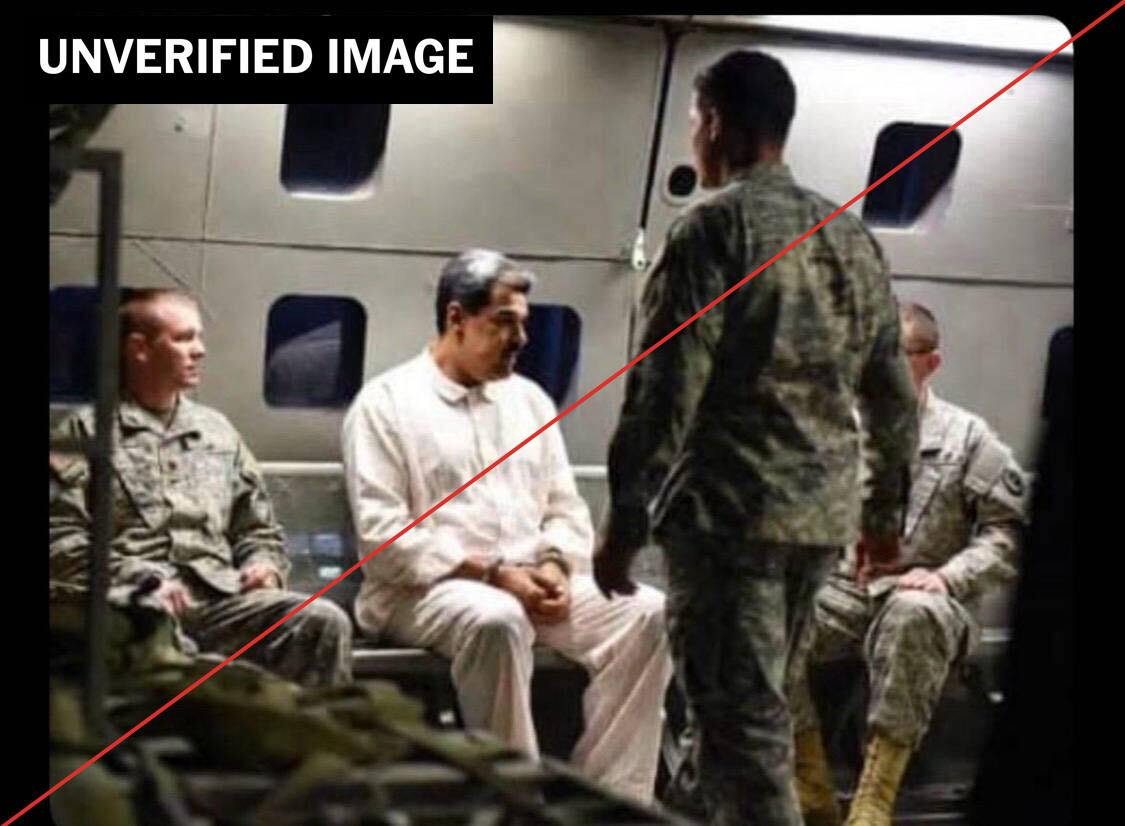
One initial approach is meticulous visual examination. For example, when unverified photos of Venezuelan leader Nicolás Maduro surfaced online following a contentious US abduction claim, experts noticed odd details-unusual aircraft windows and inconsistent clothing-casting doubt on their authenticity. These subtle anomalies, though small, were enough to discount those images from publication, underscoring that even sophisticated AI forgeries still struggle with fine-grained realism in background details and human features.
Equally important is assessing where content originates. Even when a photo appears on a high-profile account-such as Donald Trump’s Truth Social-it doesn’t guarantee its truth. Since platforms have become breeding grounds for AI-generated distortions, context is key. The New York Times, for example, published one controversial Maduro image as part of a broader screenshot rather than as a standalone news photo, signaling its uncertain authenticity.
The ”Account Age Paradox” is another insightful heuristic: many accounts sharing deepfakes are recently created, coinciding with the emergence of powerful AI tools. Conversely, older accounts with a sudden spike in suspicious posts can also raise red flags.
Tracing digital footprints and geolocating images
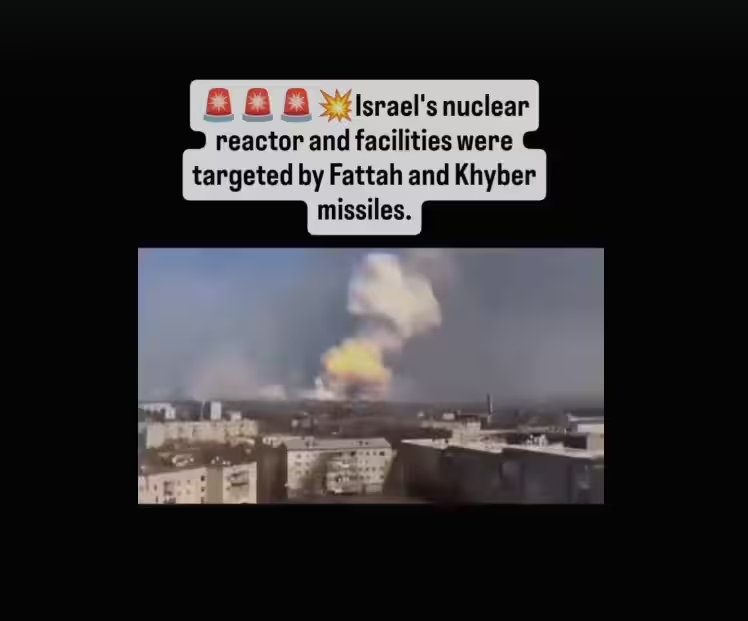
One straightforward way to debunk viral content is reverse image searching to verify if the same videos or photos have appeared before under different contexts. A notable example is footage circulated as missile strikes on an Israeli nuclear site that actually showed a 2017 explosion in Ukraine. Investigators deploy tools like Google and Yandex for this, alongside metadata extraction software to analyze image provenance.
For location verification, analysts cross-reference landmarks, flags, signage, and even shadow positions using mapping tools like Google Maps and SunCalc. This method was effectively used by The Times to authenticate images from the Russia-Ukraine conflict. Such geolocation leverages satellite imagery and public CCTV footage, providing a layered approach to confirmation beyond pixel-level analysis.
While subtle image edits like cropping or contrast adjustments have long been accepted, the infusion of entirely fabricated elements-often created by AI-shifts an image into the realm of digital art or propaganda rather than factual documentation. Authenticity increasingly hinges on tracing the honest origin and context of media, rather than perfect pixel integrity.
Navigating a landscape awash with deception
Experts warn that the average user must maintain a skeptical mindset amid an environment saturated with fakes. As Craig Silverman, cofounder of Indicator, observes, ”The current information environment is tilted towards manipulation and deception.” With social platforms failing to enforce AI content labeling rigorously, users become the first line of defense against misinformation.
Practical advice for everyone: pause before resharing emotional or sensational posts, and verify claims using multiple independent sources whenever possible. Many professional verification tools-like reverse image search and metadata readers-are openly available, empowering users to cut through the noise.
Patience remains a crucial virtue. Authentic news, especially from fast-moving conflicts, takes time to verify. Developing awareness and restraint can help prevent misinformation’s viral spread, even without technical expertise.