

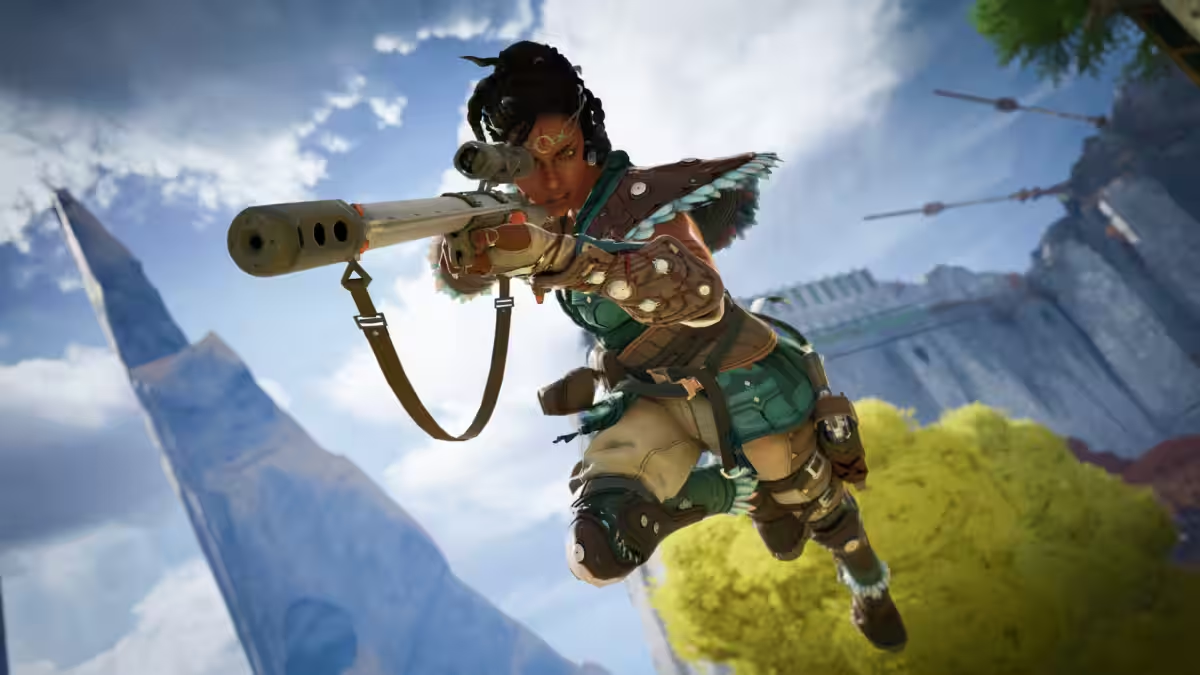
Highguard, a free-to-play squad shooter that amassed 2 million players shortly after its January debut, is shutting down by mid-March-just six weeks later. Developed by Wildlight Entertainment, a studio with veteran talent from Apex Legends and Call of Duty, the game’s closure underscores the unforgiving challenges of establishing new live-service titles in an industry relentlessly chasing Fortnite’s success.
Despite a high-profile reveal at The Game Awards, Wildlight admitted to falling short in maintaining a sustainable player base. The team, which reportedly received financial backing from Tencent, notably laid off most of its staff in February and took Highguard’s website offline shortly after, signaling trouble long before the official shutdown announcement.
Highguard’s quick demise joins a growing list of live-service launches that fail to find footing. Sony’s sci-fi shooter Concord was axed mere weeks post-launch after eight years in development, while Riot’s recent fighting game 2XKO faced layoffs soon after release. These closures reveal just how unforgiving the market has become for new entrants hoping to latch onto Fortnite-sized audiences and revenue streams.
The live-service model’s appeal is clear to publishers-continuous player engagement theoretically translates to steady income via microtransactions and expansions. But as the industry saturates and player expectations skyrocket, newcomers struggle to compete not only against established juggernauts, but also against each other. Success stories like Arc Raiders remain frustratingly rare.
This pressure has even pushed studios traditionally focused on single-player experiences, like Remedy, to pivot toward live-service experiments with mixed results. While major players like Sony are scaling back their live-service ambitions, they still fund upcoming titles in the genre, signaling the space’s magnetic pull despite repeated setbacks.
Highguard’s sudden shutdown raises questions about the viability of live-service games from new studios, especially those entering saturated markets with big-budget competitors. Can emerging developers sustain the high costs and player retention hurdles of live-service worlds, or will the model remain dominated by a few major franchises?