

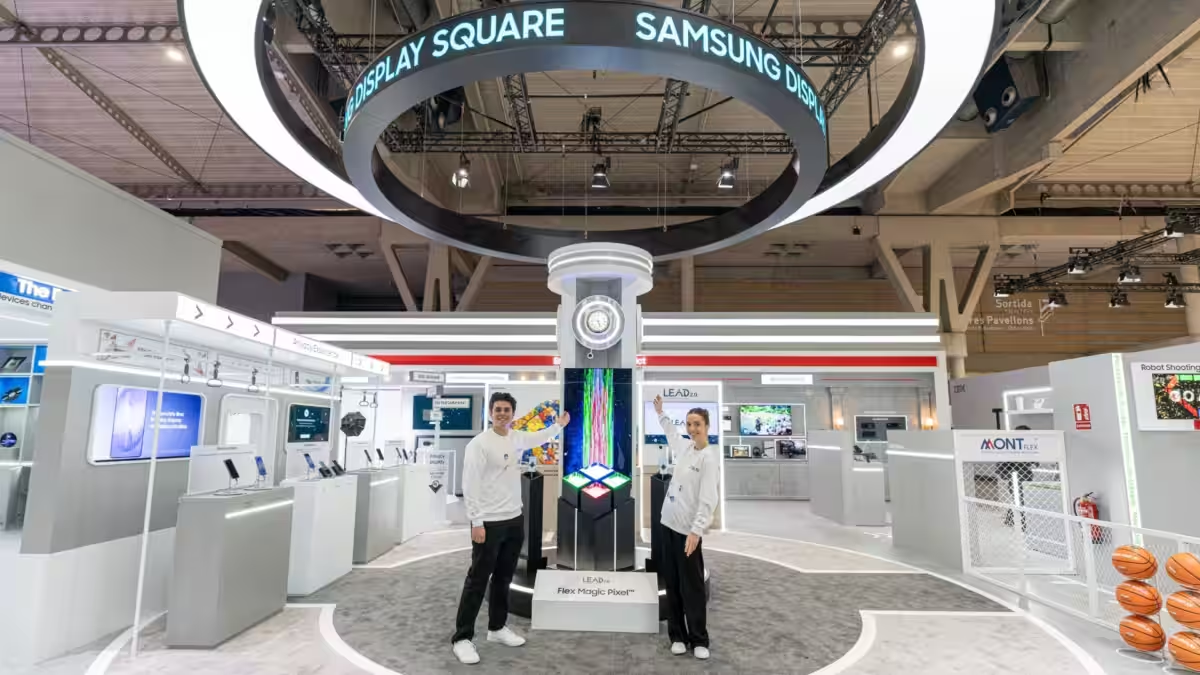
Samsung is pushing the boundaries of OLED display technology beyond smartphones, unveiling a diverse array of advanced concepts at Mobile World Congress 2026. From a pet-inspired AI robot with a tiny circular screen to ultra-dense panels for mixed reality, Samsung Display is making a statement: OLED isn’t just for phones and TVs anymore-it’s poised to pop up in cars, homes, offices, and novel interactive gadgets, reshaping how we engage with screens everywhere.
From emotive AI pets to flexible display showcases
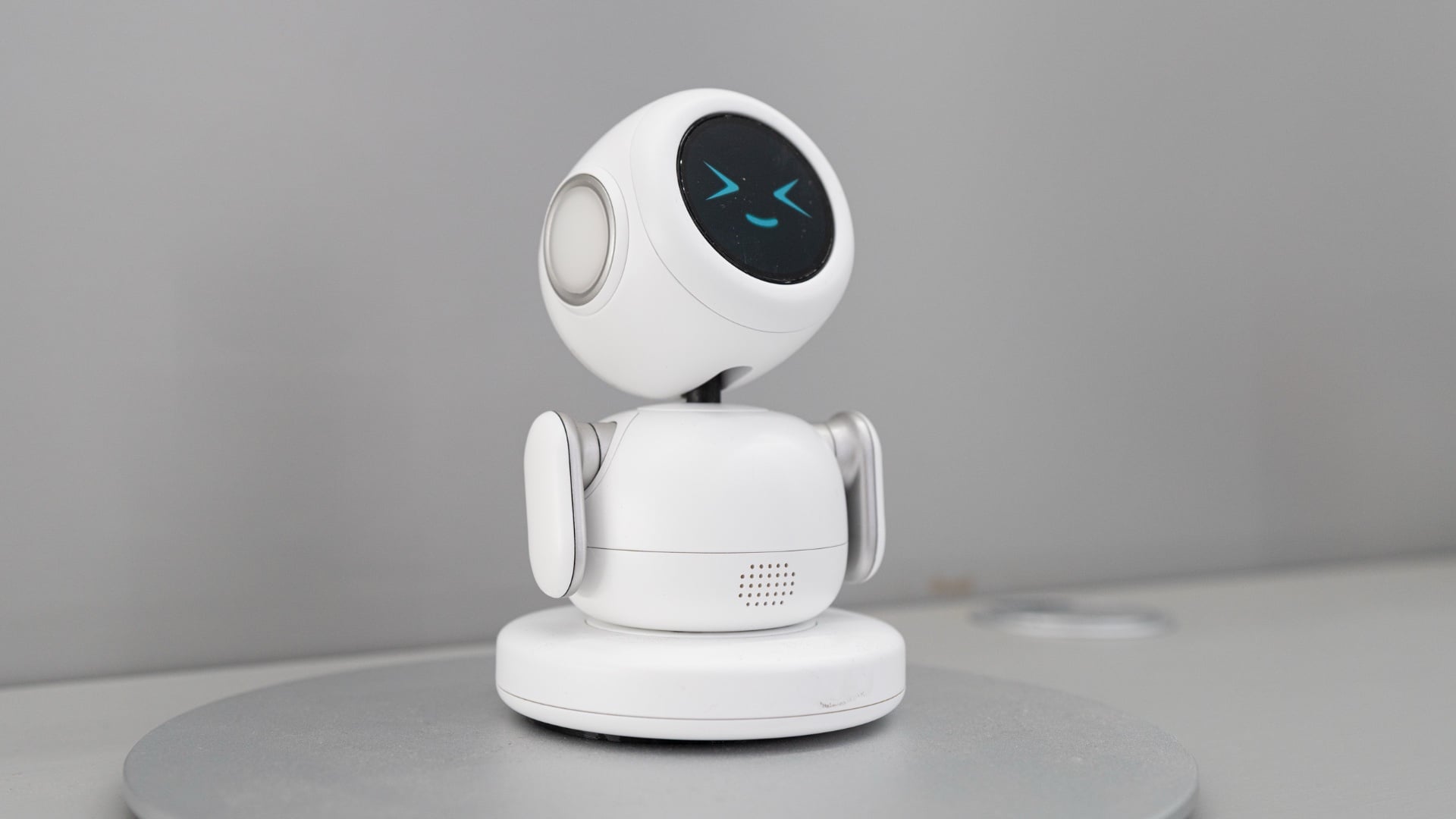
One standout was the Mini PetBot AI-a pocket-sized companion with a 1.34-inch circular OLED screen that animates expressive faces reacting to voice and touch. Unlike typical static smart assistants, this bot’s lively display adds an emotional layer, hinting at a future where screens convey personality in intimate devices.
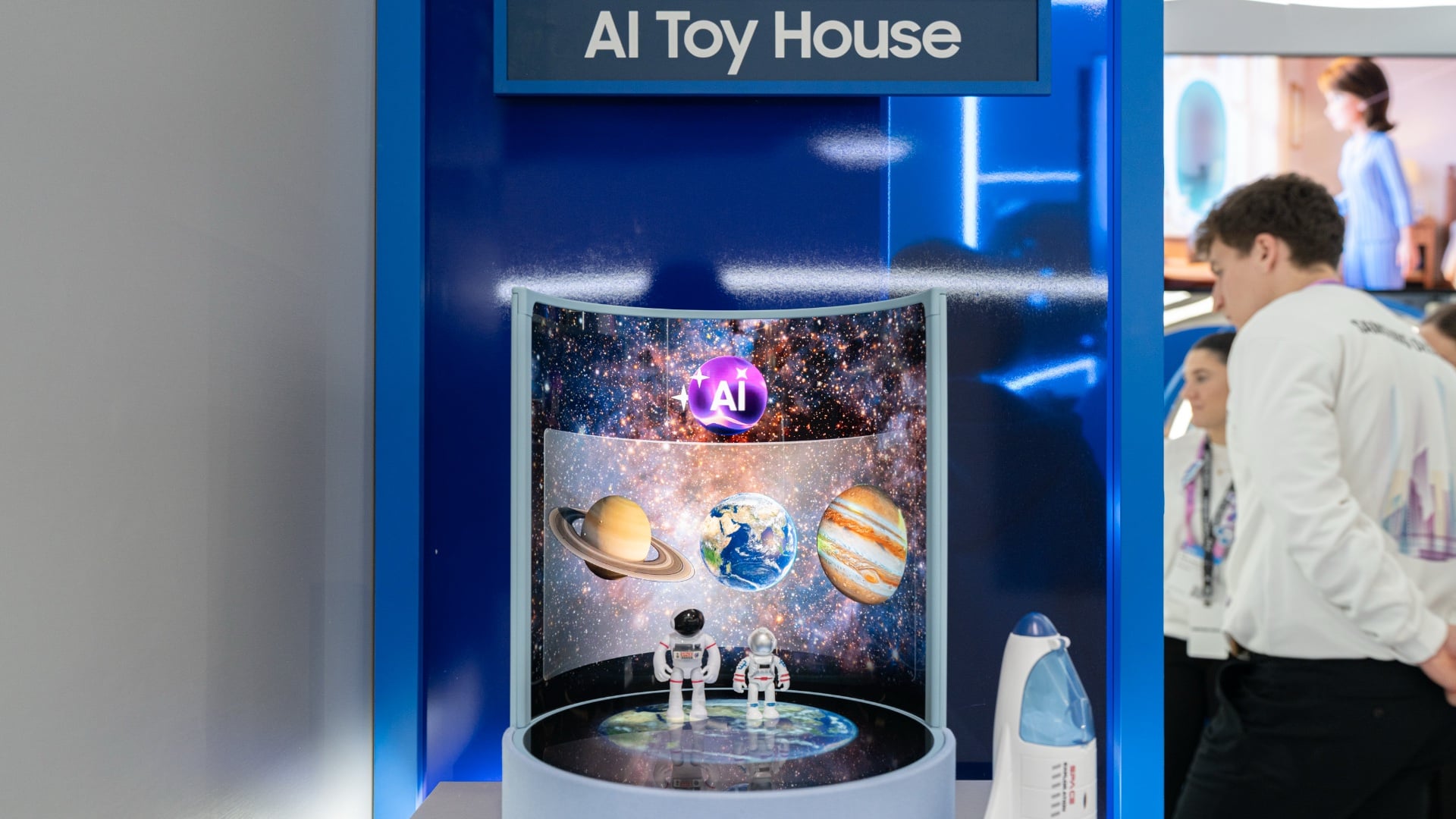
Meanwhile, the AI Toyhouse concept marries a 13.4-inch circular OLED panel with an 18.1-inch flexible OLED display that wraps and bends around collectibles, creating a futuristic showcase. This interactive, shape-shifting display points toward new ways of blending physical objects with dynamic digital visuals, redefining how we present prized possessions at home.
Privacy screens and groundbreaking pixel densities
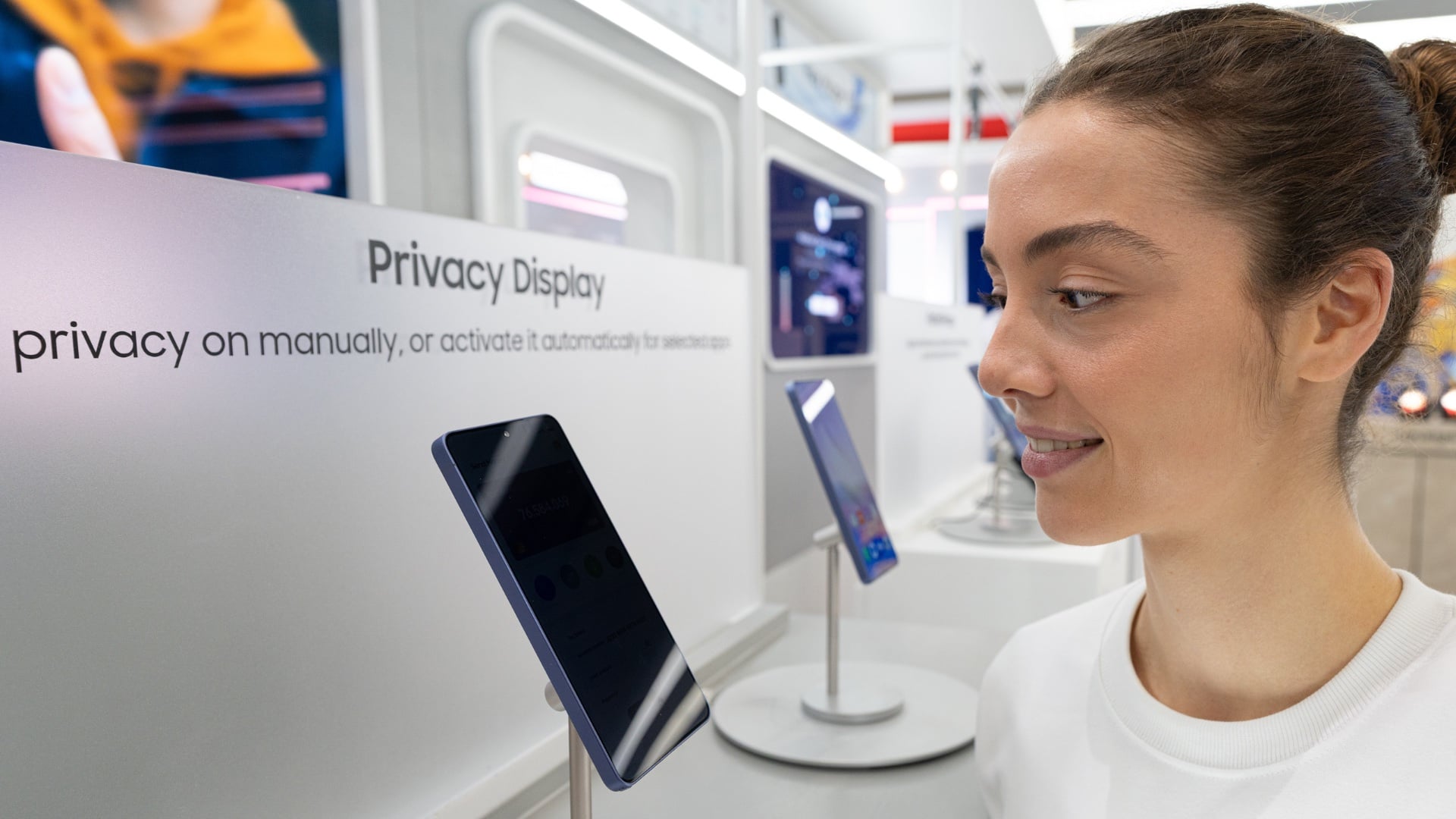
On the smartphone front, Samsung showed off its LEAD 2.0 OLED panel with Flex Magic Pixel (FMP) technology, central to the Galaxy S26 Ultra’s Privacy Display-a feature limiting side-angle visibility to prevent screen snooping. This iteration improves brightness and efficiency from earlier versions unveiled in 2024, signaling Samsung’s continuous polish on privacy tech that blends usability with screen security.
Arguably the most impressive feat is Samsung’s RGB OLED on Silicon (OLEDoS) panel designed for mixed reality headsets like the Galaxy XR. Packing a staggering 5,000 pixels per inch-around ten times typical phone display density-this microscopic pixel matrix promises ultra-crisp visuals for immersive experiences. Visitors to the booth explored personalized K-Pop avatars created with AI, displayed seamlessly across multiple device types, from phones to large QD-OLED TVs.
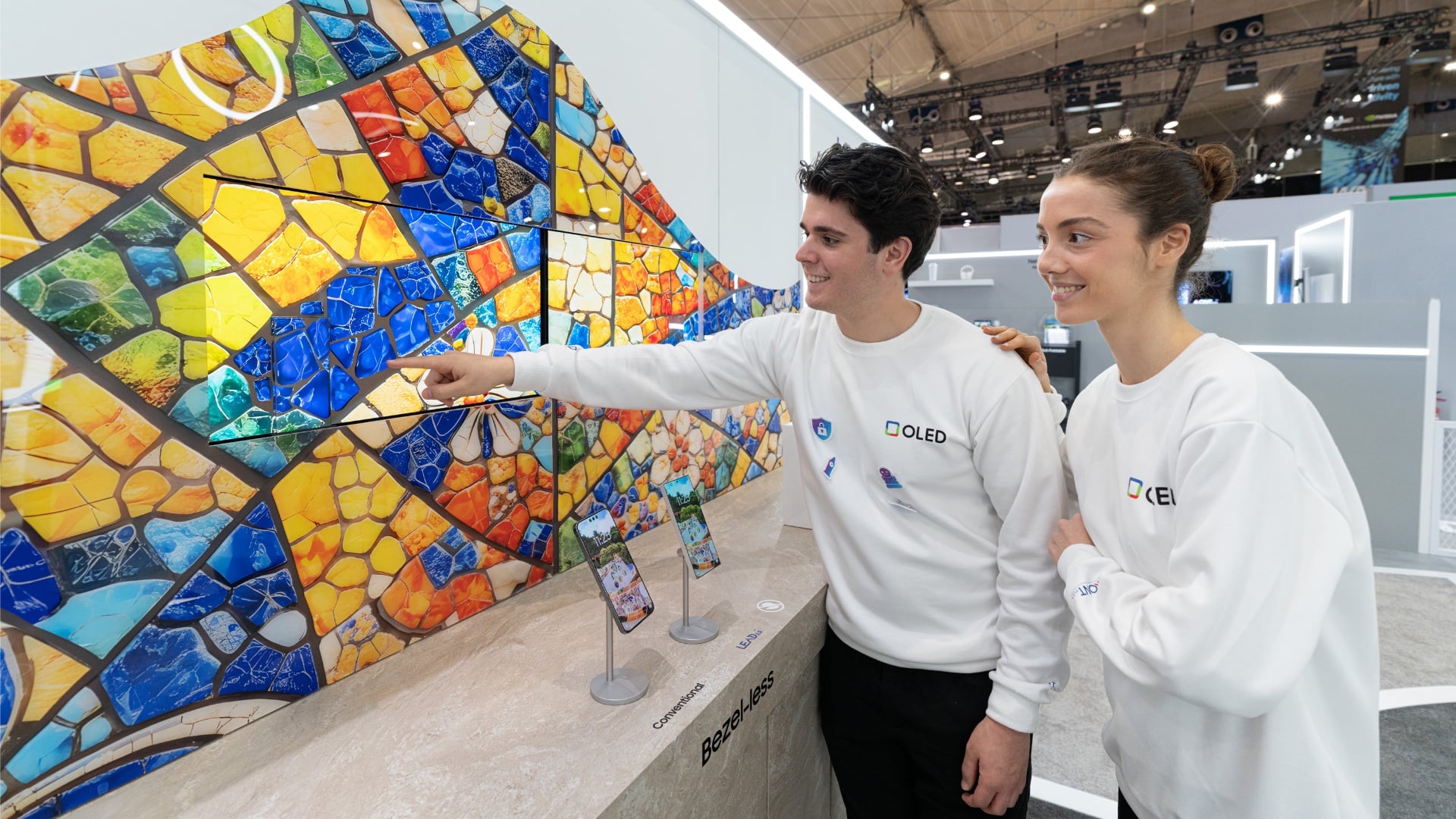
Mosaic walls and an OLED future for everyday life
Rounding out the display innovations was the ”Bezel-less OLED Wall,” a seamless mosaic combining small and large OLED panels inspired by Barcelona’s Park Güell mosaics, emphasizing ultra-thin borders and design elegance. This move signals Samsung’s intent to embed OLED technology into architectural and decorative elements within living and workspaces.
Samsung’s ambitions go beyond bolts and pixels-they reflect a broader industry shift toward diverse OLED applications, where the technology evolves from flashy smartphone screens to intimate, interactive companions and immersive reality portals. However, challenges remain in cost, manufacturing scale, and consumer appetite for such varied devices. Will Samsung’s OLED push reshape our daily interaction with screens, or will it remain a playground for concept innovation?