

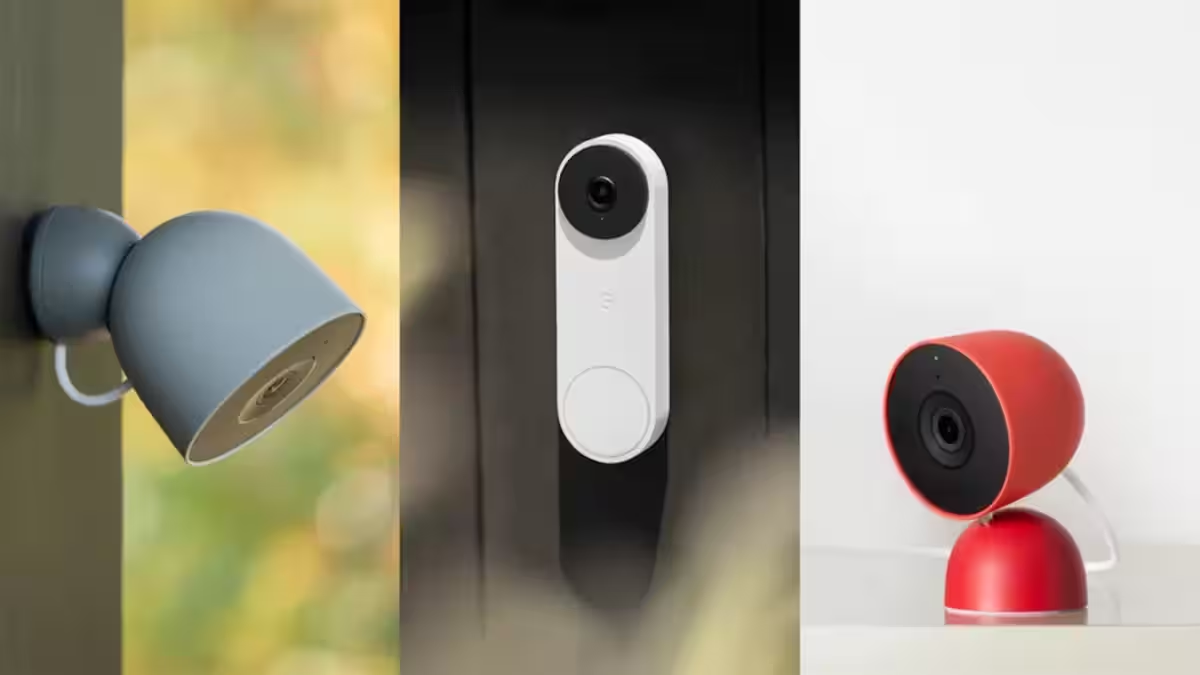
Google has rolled out fresh updates for its Nest cameras and Google Home assistant, aiming to improve smart home interactions with new AI features and better command accuracy. However, some headline features, including the new ”Live Search” for Nest cameras, remain locked behind a $10-per-month Google Home Premium subscription, continuing a trend of pushing advanced smart home capabilities toward paid tiers.
Live Search: AI-powered home surveillance with a subscription cost
The standout addition is ”Live Search,” an AI feature exclusive to Premium subscribers that lets users query their home camera feeds with natural language questions like ”Is there a car in the driveway?” This real-time detection aims to bring a new level of convenience to monitoring one’s home, but it also revives ongoing privacy concerns in a market shadowed by controversies over AI-enabled cameras tracking movement and people.
While Google’s tech draws parallels with its existing phone camera AI search, integrating this capability into home security devices raises questions about data processing at scale and whether customers are fully informed about how their visual data is analyzed and stored.
Smarter voice commands and better device recognition
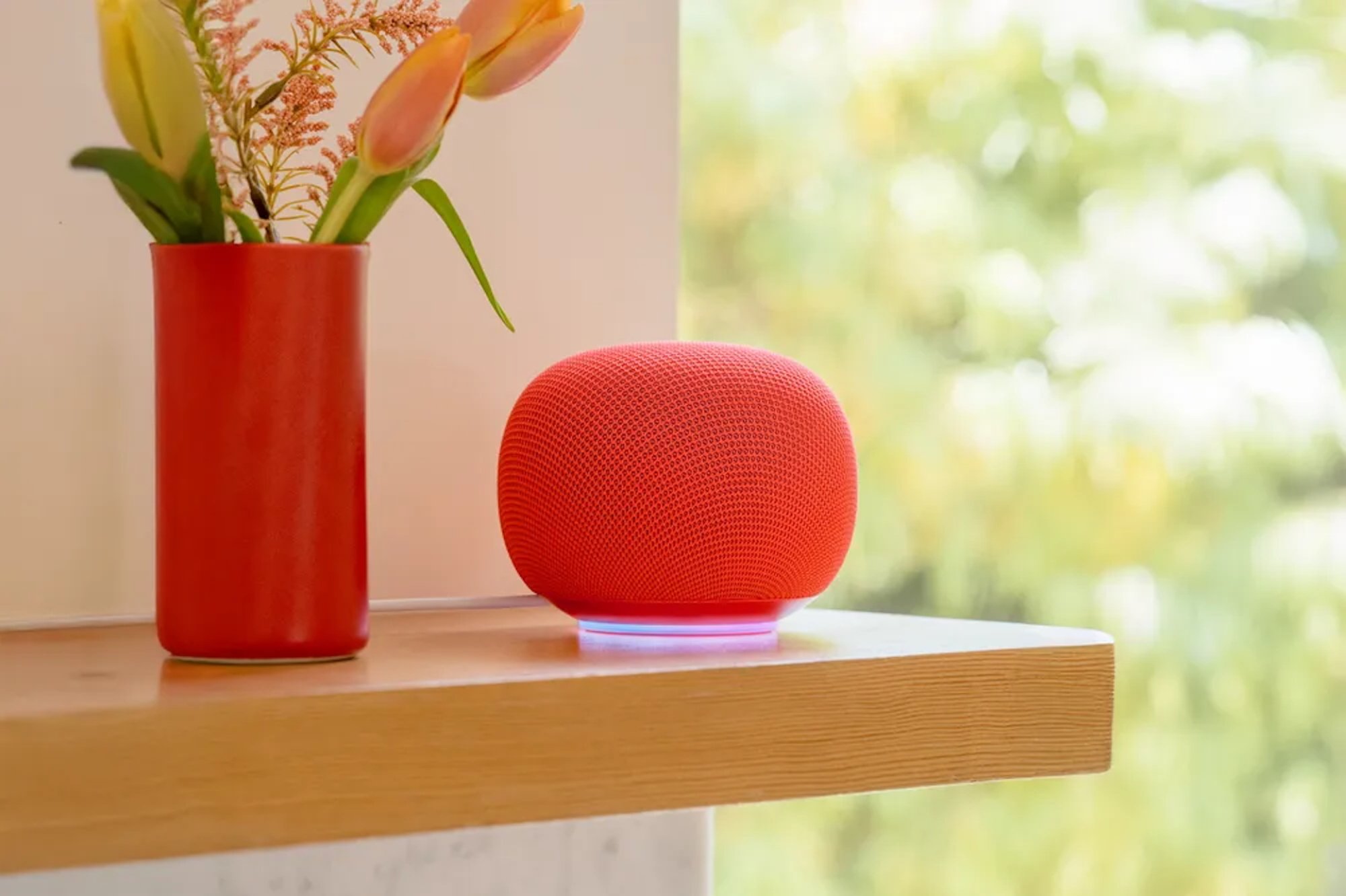
Alongside camera improvements, Google has addressed a long-standing frustration for Home users: premature cut-offs during voice interactions. The updated AI assistant now listens more patiently, reducing interruptions and making conversations flow more naturally. This fix targets a frequent complaint from users who felt their commands were cut off before completion.
Additionally, Google has enhanced Gemini’s device recognition to better understand uniquely named smart home gadgets. For example, a light bulb named ”Table Glow” will now properly respond to commands like ”turn on the lights,” even if the device’s name doesn’t explicitly include ”light.” This reflects smarter context awareness essential for homes crowded with numerous custom-named devices.
Location-aware controls and expanded smart lock support
The AI assistant is also getting more precise about location-based commands within the home environment. If you ask to turn off the lights, it will now only affect the lights in your current room or area, a useful upgrade for users with larger or multi-dwelling setups who want commands to behave intuitively across spaces.
On the security front, Google’s Nest Home integration with Yale smart locks has exited beta, allowing users to manage lock settings such as passcodes and guest access directly from the Google Home app, streamlining smart home security management.
These enhancements come as Google navigates the tricky balance of delivering advanced AI features while pushing some capabilities behind subscriptions, a pattern also seen in competitors’ ecosystems. As smart home users demand more sophisticated AI assistants, companies face the challenge of monetizing innovation without alienating their base.
With privacy concerns still swirling around AI-powered surveillance, the rollout of features like Live Search signals Google’s intent to deepen AI integration into daily home life, but it also reminds consumers to stay vigilant about their data and the costs attached to convenience.