

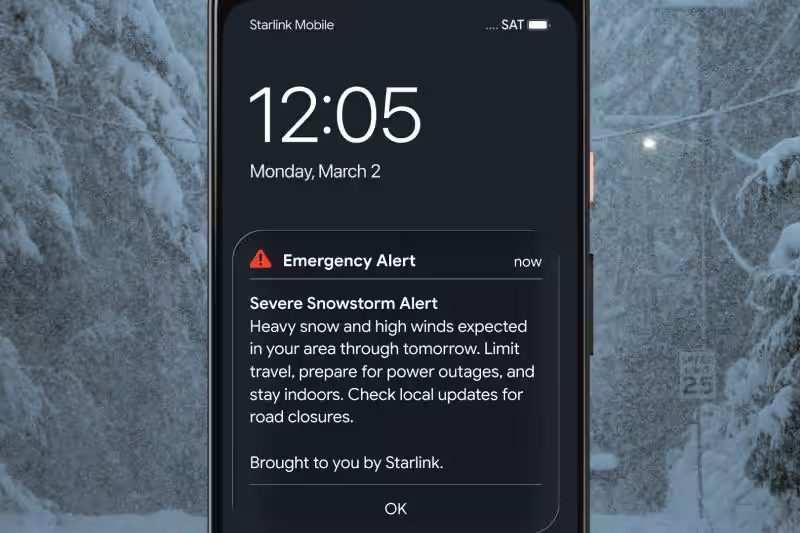
SpaceX unveiled its Starlink Mobile service at MWC 2026, targeting a mid-2027 launch to offer satellite-augmented cellular connectivity capable of speeds up to 150 Mbps. Rather than replacing traditional mobile networks, Starlink Mobile is designed to complement them-boosting coverage in areas where terrestrial signals falter or become overloaded.
Currently serving over 16 million unique users with a constellation of 650 low Earth orbit satellites, Starlink has become key in hybrid networks alongside carriers like T-Mobile in the US, Rogers in Canada, and KDDI in Japan. SpaceX aims to grow this user base to 25 million by the end of 2026, emphasizing that Starlink Mobile offers ”the world’s largest geographical 4G coverage.”
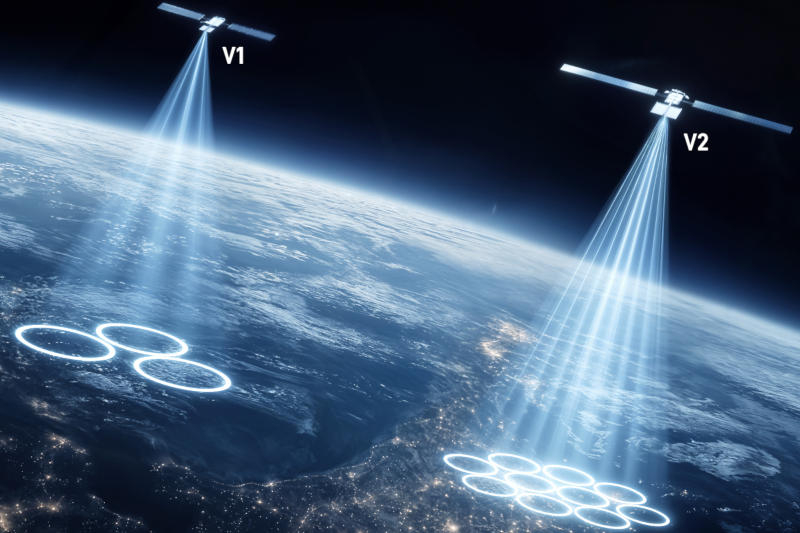
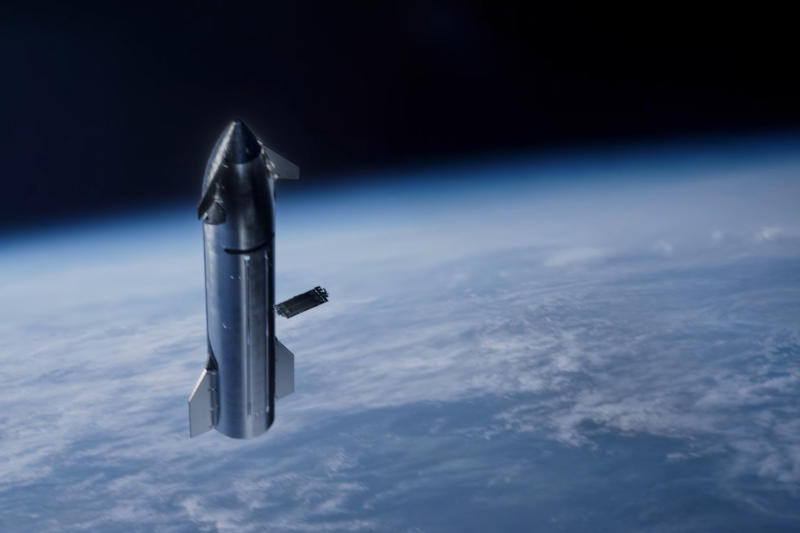
The next generation of Starlink satellites, launching aboard SpaceX’s Starship starting mid-2027, promises rapid constellation scaling-with plans to deploy approximately 1,200 satellites within six months. This aggressive expansion could swell the fleet to as many as 15,000 units over time, vastly increasing network capacity and global coverage.
Elon Musk initially envisioned challenging terrestrial carriers directly but has since positioned Starlink Mobile as a vital piece in the hybrid cellular puzzle. According to SpaceX, satellite links can relieve congestion and extend service where ground infrastructure cannot reach-though they acknowledge satellites cannot yet match the data density of land-based networks.
Despite SpaceX rebranding its Direct to Cell service as Starlink Mobile, confusion persists since partner operators use their own branding: T-Mobile calls it T-Satellite, while Rogers markets Rogers Satellite. The anticipated peak speeds of 150 Mbps on the new satellites represent a significant leap from the current estimated speeds around 4 Mbps, which only support basic apps and calls.
SpaceX also secured additional spectrum from EchoStar last year, and Musk has promised that most US smartphones will gain native Starlink Mobile support within two years. Their plan hinges on completing this spectrum transfer by late 2027, aligning with the satellite deployment timeline to maximize device compatibility.
This hybrid satellite-cellular model reflects the growing recognition that terrestrial networks alone cannot address coverage black spots, especially in rural or underserved regions. Competitors like Amazon’s Project Kuiper are pursuing similar LEO constellations, but SpaceX’s head start and integration with established carriers give it momentum. The challenge remains balancing the cost and complexity of satellite infrastructure with competitive pricing and seamless customer experience.
Starlink Mobile could offer a practical path forward for mobile operators, helping them extend service footprints and ease network loads without investing heavily in remote ground infrastructure. However, the true test will come once users start relying on satellites for everyday cellular use-will latency, handoff between satellite and terrestrial networks, and pricing meet consumer expectations? Counting on Starship launches to rapidly build out the constellation is also a bold bet, risking delays if any hiccups occur.
As 2027 approaches, all eyes will be on SpaceX to see if its ”epic” satellite cellular vision can evolve from niche coverage into a mainstream complement to land-based networks worldwide.