


Geely has quietly adjusted its strategy in the Russian SUV market by launching a front-wheel drive version of the Geely Atlas, priced from 3.19 million rubles with incentives, while the previously offered 2.0-liter turbocharged model is nearly sold out at dealerships. This shift signals the brand’s move towards more efficient and accessible options in a challenging automotive environment.
The new variant is powered by a 1.5-liter turbocharged gasoline engine delivering 147 horsepower and 270 Nm of torque, paired with a 7-speed dual-clutch transmission. Fuel efficiency stands at a respectable 6.8 liters per 100 kilometers in mixed driving conditions, positioning it as a practical choice amid rising fuel costs and economic uncertainty in Russia.
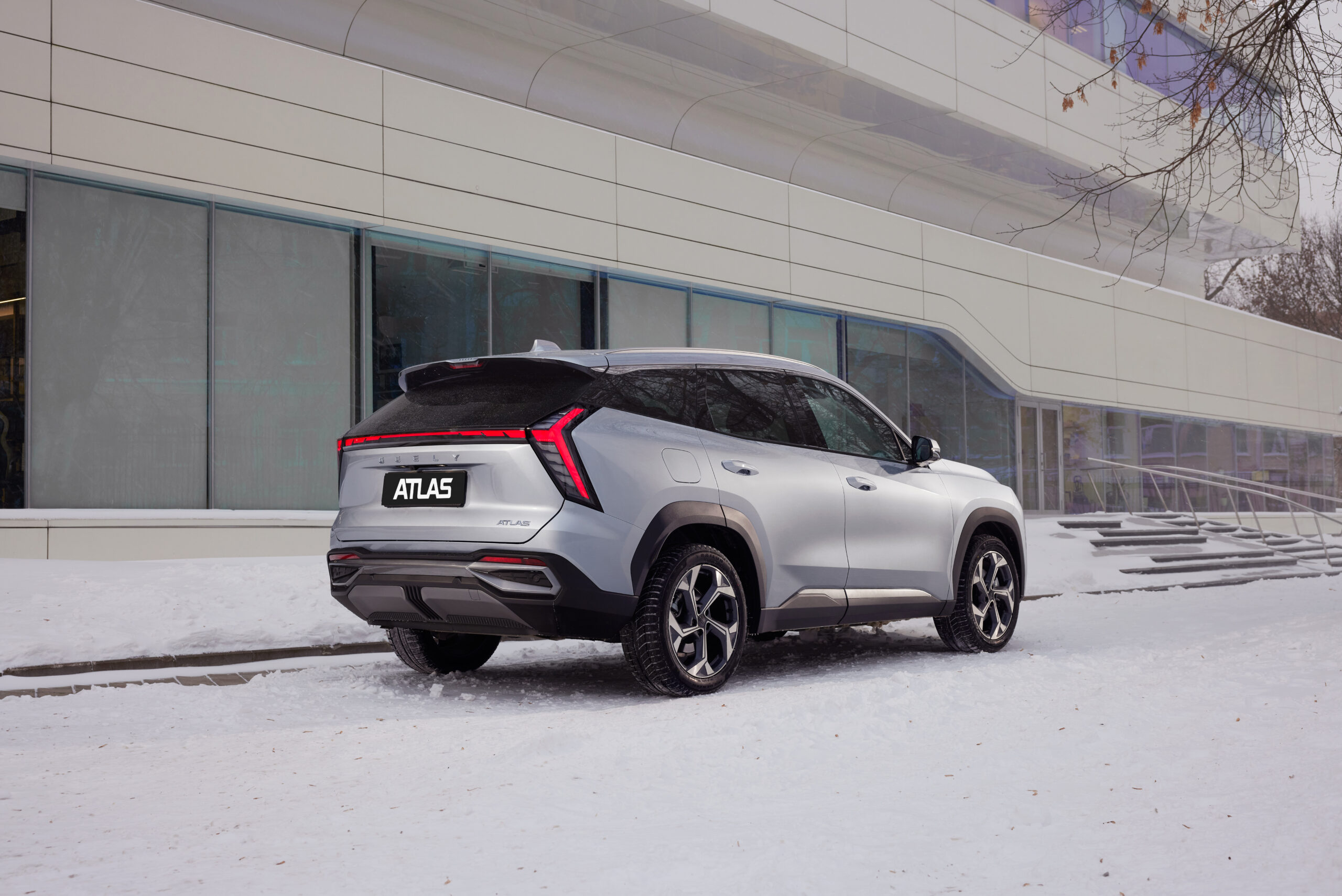
Buyers get a well-equipped SUV with luxury-oriented features such as fully LED headlights, 19-inch alloy wheels, panoramic sunroof, dual-zone climate control, and an advanced infotainment system boasting a 13.2-inch touchscreen with wireless iOS smartphone integration. Safety and convenience are covered by a 360-degree camera setup, adaptive cruise control, and keyless entry.
The move to front-wheel drive versions reflects broader trends in Russia’s auto industry, where consumers prioritize fuel economy and affordability over high-powered engines. It also comes as Western brands scale back operations or exit the market amidst geopolitical tensions and sanctions, leaving room for Asian manufacturers like Geely to fill the gap.
While the 2.0-liter turbocharged Geely Atlas once offered stronger performance, its near disappearance from dealerships hints at shifting buyer preferences and inventory adjustments. Geely’s flexible drivetrain options could help sustain its foothold as the Russian market evolves through economic and regulatory changes.
With front-wheel drive now standard on the Atlas, the model is more accessible but faces stiff competition from rivals like Hyundai Creta and Kia Seltos, which also emphasize value and efficiency. Whether Geely can capitalize on this repositioning depends on how well it adapts to local demands and maintains supply chains in uncertain times.