

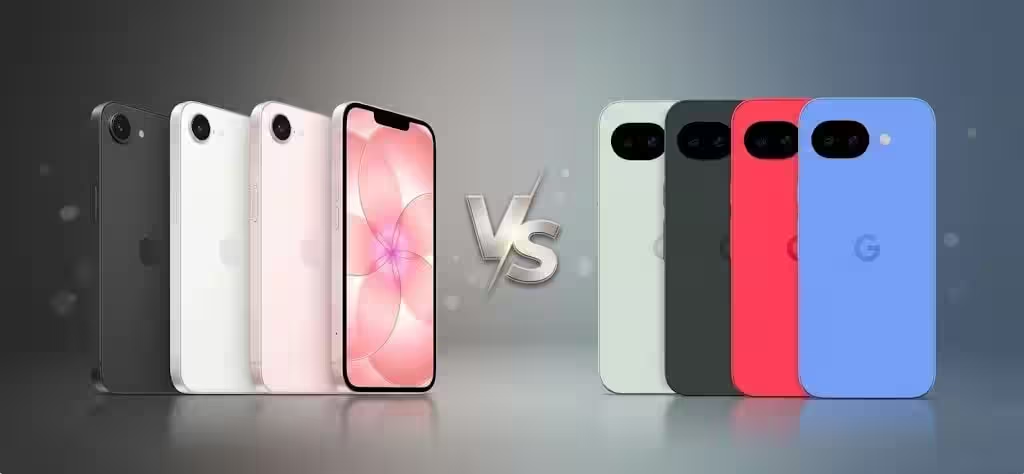
Apple and Google have both stepped into 2026 with fresh budget-friendly smartphones: the iPhone 17e and the Pixel 10a, respectively. These models aim to hook new users into their ecosystems, but they offer very different approaches to design, durability, and user experience. If you’re choosing between these two affordable options, here’s how they stack up beyond just price tags.
Distinct designs for different tastes
The iPhone 17e plays it safe with a 6.1-inch display framed by the classic notch design familiar since the iPhone 14 era. Apple’s push for durability is clear: the phone sports Ceramic Shield 2, claimed to be three times more scratch-resistant, reinforcing the company’s premium feel with a glass back. Despite being an entry-level model, the 17e doesn’t stray far from Apple’s longstanding stylistic cues.
Meanwhile, Google takes a daring turn with the Pixel 10a’s 6.3-inch screen and a clean, modern aesthetic highlighted by a flush dual-camera setup that ditches the distinctive ”visor” bump. Its matte composite back offers a different tactile experience, prioritizing practicality and a contemporary look over glossy luxury. This reflects Google’s desire to shake up expectations within its more affordable phone lineup.
While Apple leans on brand consistency and a polished feel, Google experiments with bold design choices that might appeal to those looking for something fresh at a lower price point.
More than just design: What’s under the hood?
Though the initial comparison focuses on looks and build, the real story emerges when diving into performance, software, and ecosystem perks, areas where Apple and Google traditionally take different paths. Apple’s silicon and iOS integration often provide smooth performance and longevity, while Google’s Pixel phones emphasize timely Android updates and advanced AI features. These factors can significantly influence perceived value beyond hardware.
Budget smartphones often face compromises in specs or software support, but Apple’s newer approach to entry-level models has narrowed that gap. Google, on the other hand, continues to push user-friendly software experiences tailored to its hardware innovations, such as photography capabilities and AI-driven functionalities.
The decision between iPhone 17e and Pixel 10a ultimately goes beyond the feel in your hand. Apple’s device may appeal to those wanting a durable, refined intro into the Apple ecosystem, while Google offers a more modern design paired with a clean Android experience.
As these phones battle for budget-conscious buyers, the question remains: will consumers prioritize timeless design and ecosystem stability, or embrace fresh aesthetics and Google’s software-driven features?