

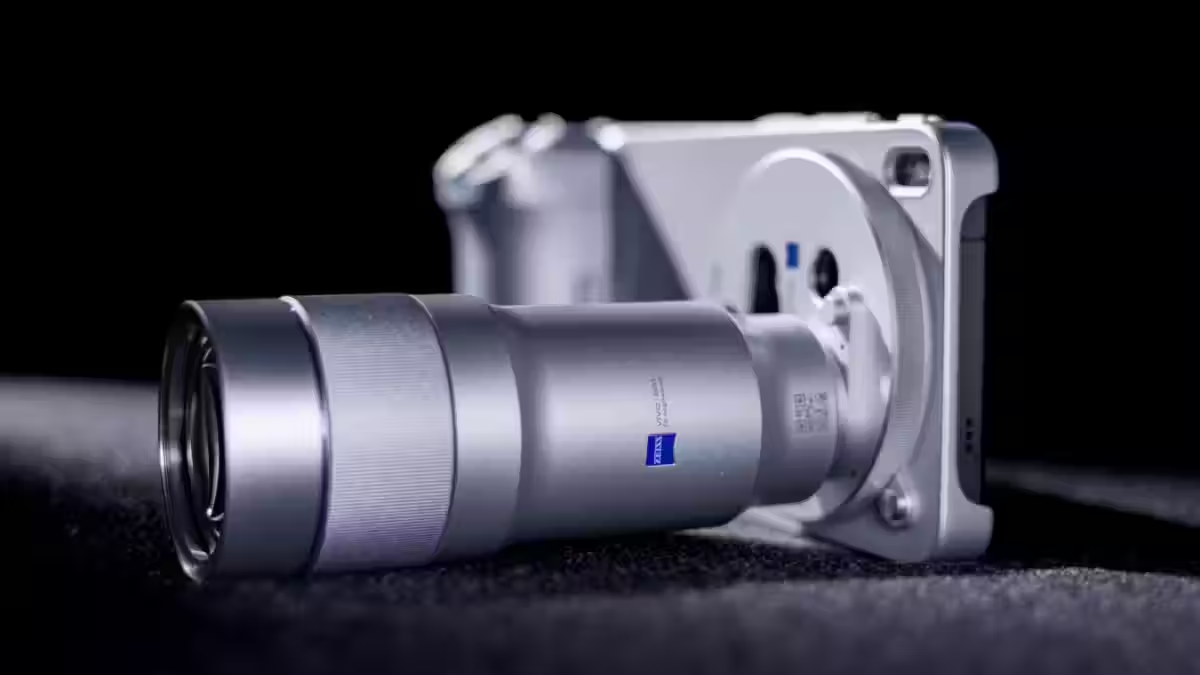
Vivo’s X300 Ultra unveiled at MWC 2026 isn’t just another camera flagship; it’s a marker of how far phone optics can stretch. The headline – a 400-mm telephoto delivering 17x optical zoom – matters globally because it changes expectations for shooting sports, wildlife and distant reportage without heavy cropping or noisy digital zoom. More than specs, Vivo is introducing a new accessory-driven approach: a V-shaped bayonet that accepts a fixed 400-mm lens, the first such external telephoto for smartphones. That modular idea offers an alternative to jamming ever-more lenses into a phone, bringing genuine focal length to pocketable devices. For photographers, creators and product designers following the optics arms race, the X300 Ultra could be a tipping point. It may force rivals to rebalance sensor size, zoom range and battery compromises, while putting fresh pressure on stabilization, software processing and accessory ecosystems. Expect heated competition and rapid innovation ahead soon.
Key characteristics of Vivo X300 Ultra
Vivo X300 Ultra features a triple main camera setup with large sensors and high-resolution modules:
– 200 MP main camera with a sensor 1/1,12 inch
– 200 MP periscope telephoto
– 50 MP ultrawide with a sensor 1/1,28 inch
The standout is the fixed 400-mm telephoto lens, mounted via Vivo’s proprietary V-shaped bayonet. Vivo says this is the industry’s first external telephoto lens of this focal length for smartphones, delivering 17x optical zoom.
Technical specifications and availability
The phone runs on a Snapdragon 8 Elite Gen 5 processor and packs a 7000 mA·h battery. Vivo X300 Ultra is slated for a global launch in the second quarter of 2026.
Impact on mobile photography
Dropping a true 400-mm optic into a smartphone ecosystem changes the framing and use cases for mobile cameras. Where digital zoom and small periscope lenses once forced compromises, a real long focal-length lens lets users capture distant subjects with greater detail and less reliance on aggressive processing. That’s meaningful for sports and wildlife shooters and for journalists covering events from afar.
At the same time, practical challenges remain: delivering effective stabilization at that focal length on a phone body, keeping autofocus fast and accurate, and integrating the lens ergonomically so it’s not just a novelty. Battery life and thermal management are also relevant – even with a 7000 mA·h pack, heavy use of high-resolution sensors and processing can be demanding.
Context for Russian readers
For readers in Russia, the idea of an attachable telephoto will feel familiar through the country’s long-standing photography culture that values interchangeable optics and rugged, long-reach glass for landscape and wildlife work. Russian hobbyists and pros often prize practical, repairable gear and aftermarket accessories; a bayonet-mounted 400-mm option could find a ready audience here-provided availability and pricing reflect local conditions, and import or warranty support is handled sensibly.
Outlook and analysis
Vivo’s move is a strategic bet: instead of pushing ever-more stacked lenses into a sealed chassis, it opens the door to modular optics that actually change focal length and imaging character. If the V-shaped bayonet attracts third-party lenses or spawns a small ecosystem, the company could create a new product category between compact cameras and smartphones.
But adoption hinges on execution. Stabilization tech, tight hardware-software calibration, and a compelling user experience will decide whether the 400-mm lens is a pro-grade tool or a headline-grabbing gimmick. Competitors like Samsung and Xiaomi can’t ignore a successful proof of concept; we should expect faster iterative responses on both hardware and computational fronts. Finally, pricing and accessory availability will determine whether this becomes a niche for enthusiasts or a mainstream feature that reshapes camera expectations across the industry.