

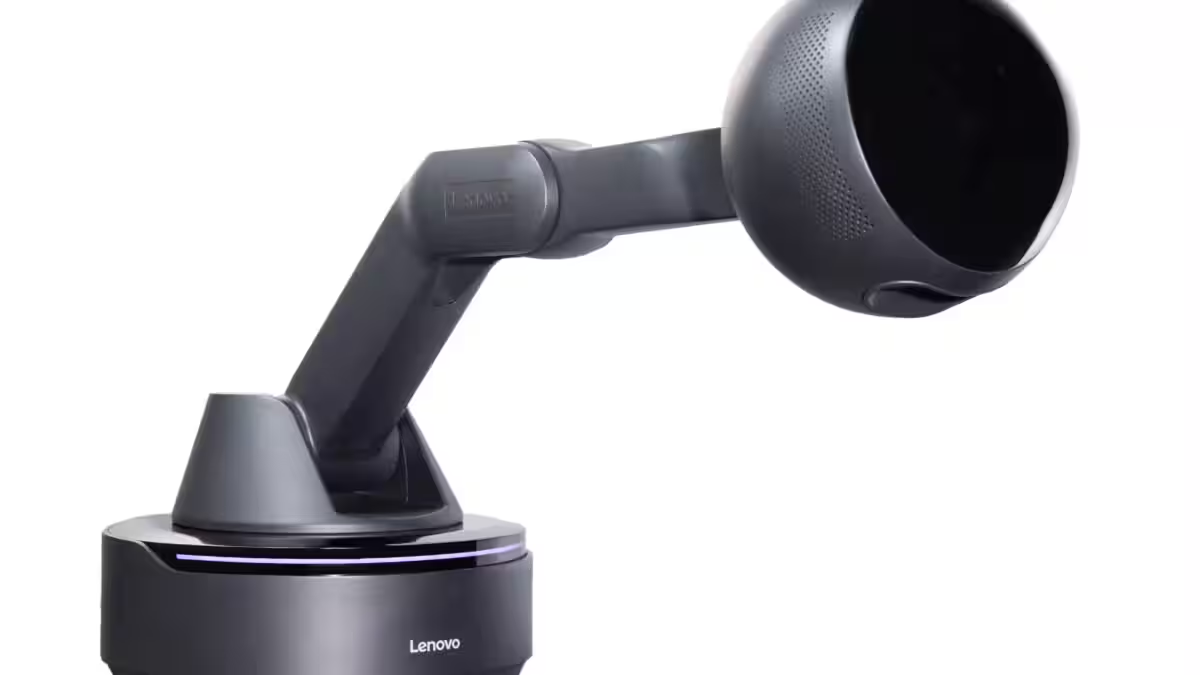
Lenovo unveiled two imaginative AI desktop concepts at MWC that aim to rethink office assistance by mixing function with a touch of charm. These standalone devices-one a puppy-eyed robotic arm and the other a smart alarm clock-are designed to support productivity while bringing a bit of personality into workspaces, hinting at new forms of interaction between humans and machines beyond the usual voice assistants.
The AI Workmate Concept resembles a mini robotic arm topped with a screen displaying expressive, puppy-dog eyes. Behind its playful facade lies a local AI system allowing users to engage via voice commands and gestures-offering a more interactive, physical presence than typical assistants. But Lenovo hasn’t stopped at novelty: the device also incorporates a camera beneath its screen to scan documents, generate summaries, and even propose presentation slides. When collaboration calls, it can project your work onto a desk or nearby wall, effectively turning any space into a mini meeting zone.
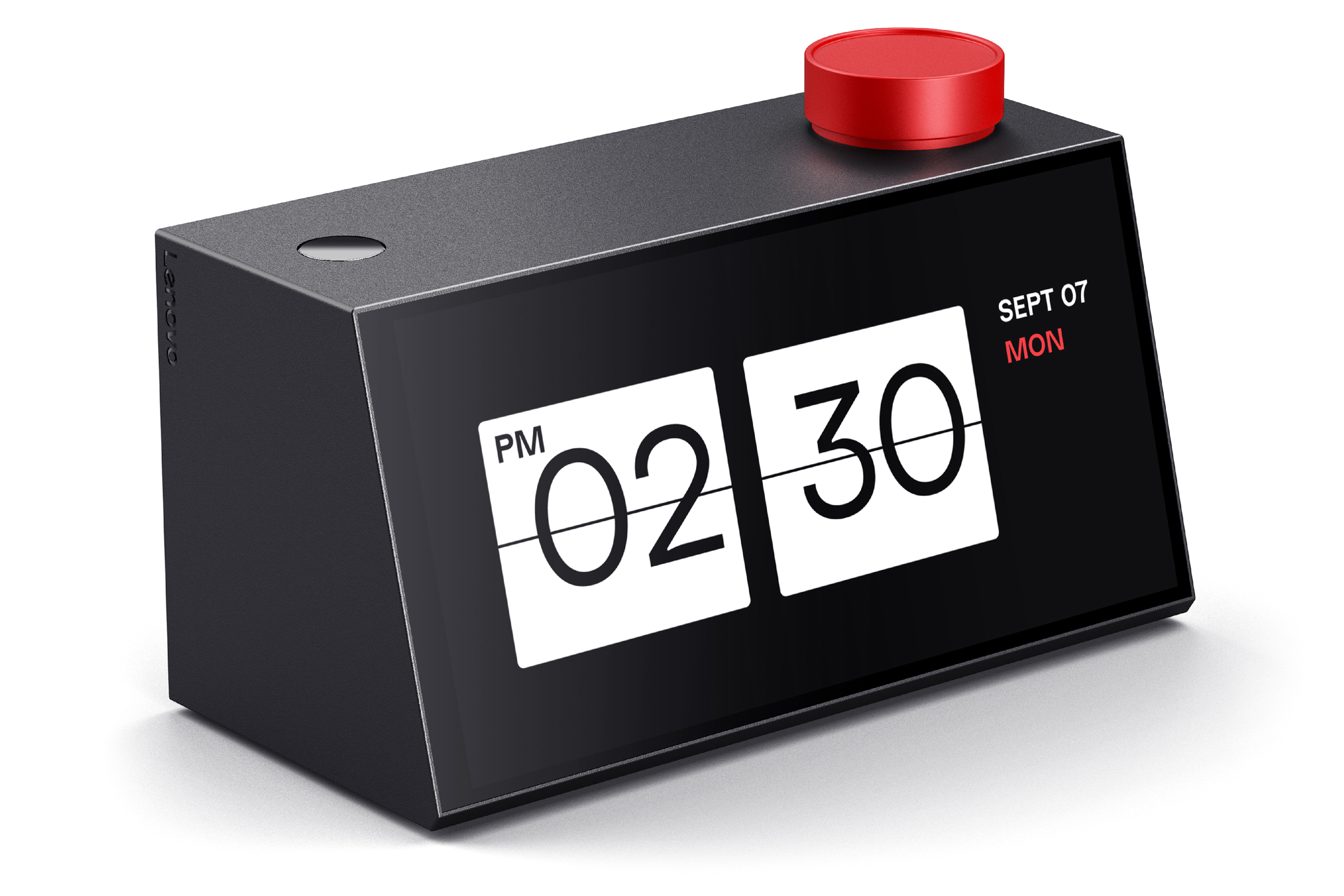
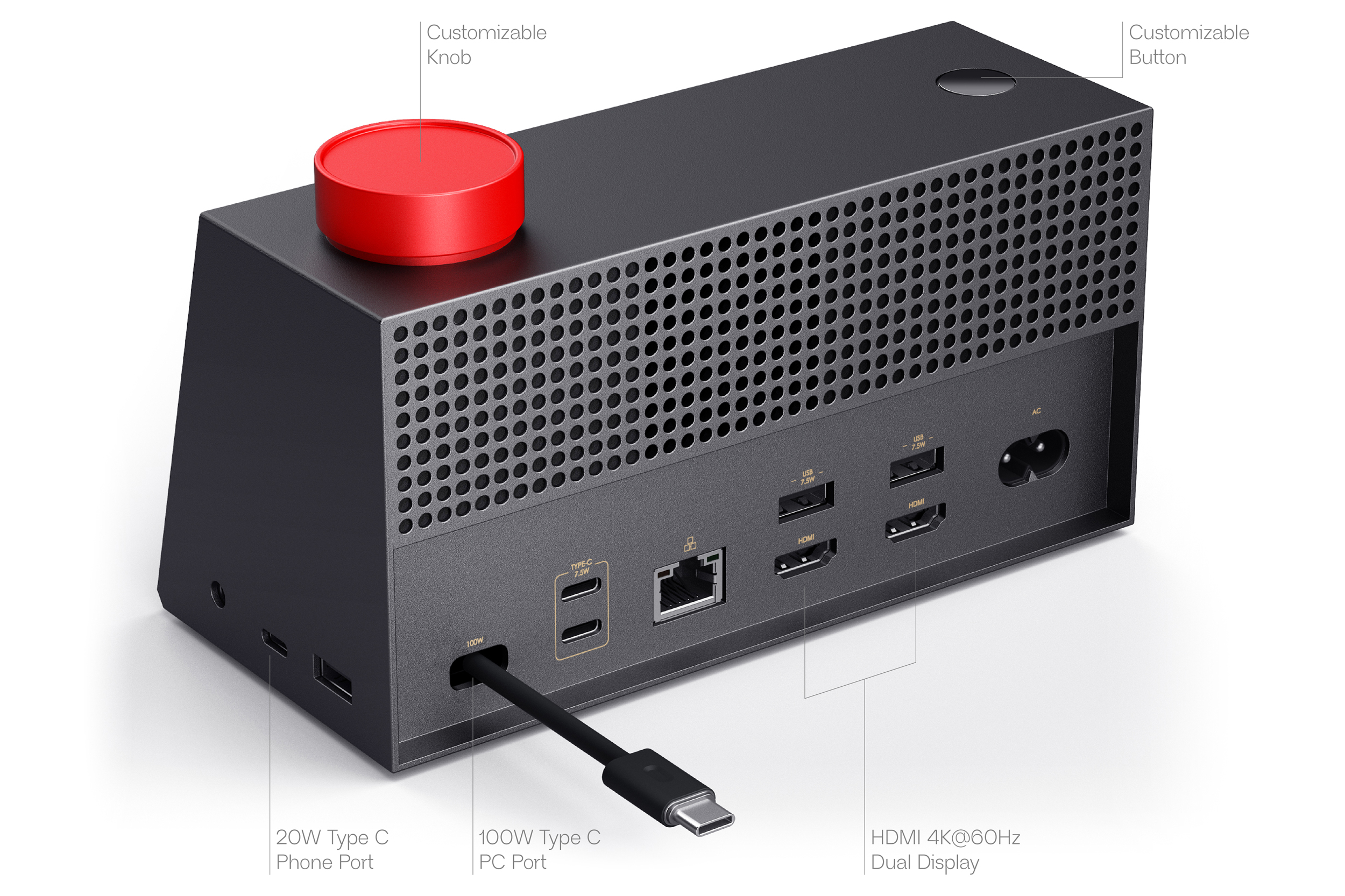
Complementing the Workmate is Lenovo’s AI Work Companion Concept-a device that at first glance looks like a bedside alarm clock with a large display. This assistant mines your calendar, schedules, and task lists across devices to craft balanced daily plans aimed at avoiding burnout. Its AI-driven nudges encourage breaks and offer playful interactions through animated faces, while end-of-week reviews celebrate accomplishments. Beyond mental wellness, this device tackles desktop chaos by serving as a docking station with various video outputs and USB ports, blending utility with wellness reminders.
While these gadgets feel like a glimpse into some near-future office sci-fi, Lenovo’s history suggests they may point toward tangible products. Just last year, Lenovo brought the rollable ThinkBook Plus Gen 6 from concept to market, indicating the company’s willingness to bet on bold hardware ideas. That said, whether these AI companions will break free from the concept stage remains unconfirmed. Their playful designs could appeal to users craving more emotive and engaging AI tools that go beyond flat screens and static voices, making desk companions something you might actually look forward to.
This blend of productivity tools and anthropomorphic design taps into a growing trend of humanizing AI devices-an attempt to reduce isolation and burnout in increasingly digital work environments. At the same time, as AI hardware multipliers vie for presence on desks, Lenovo’s offering reminds us that charm and physical interaction might be the next frontier for workplace tech, challenging the sterile uniformity of common gadgets. Whether users embrace these digital co-workers emotionally or find them uncanny remains an open question as AI assistants inch closer to blending personality with performance.