

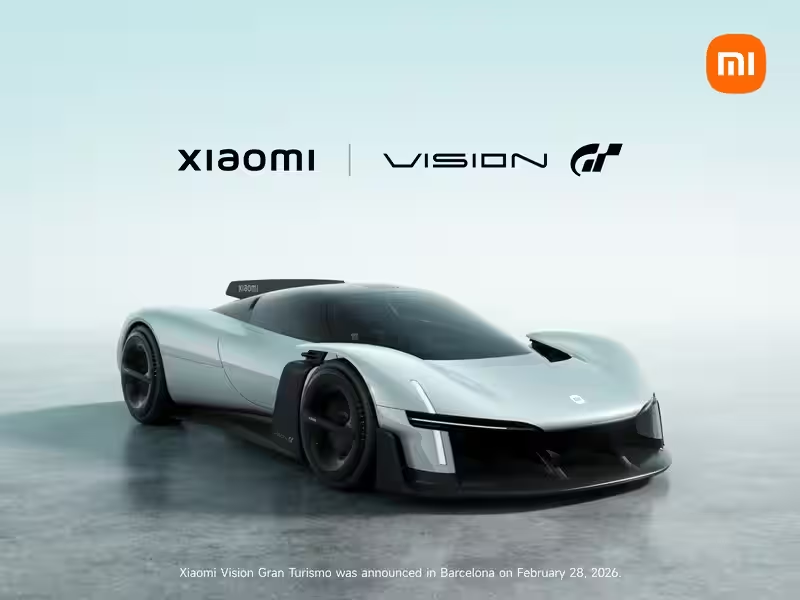
When Xiaomi announced its first hypercar, the Vision GT, it wasn’t just another luxury electric vehicle unveiling. This was a bold statement: the Chinese tech giant entering the ultra-competitive hypercar world through the lens of a video game franchise. At MWC 2026 in Barcelona, Xiaomi will reveal a full-scale model of this electric concept, originally designed for the Gran Turismo 7 racing simulator.
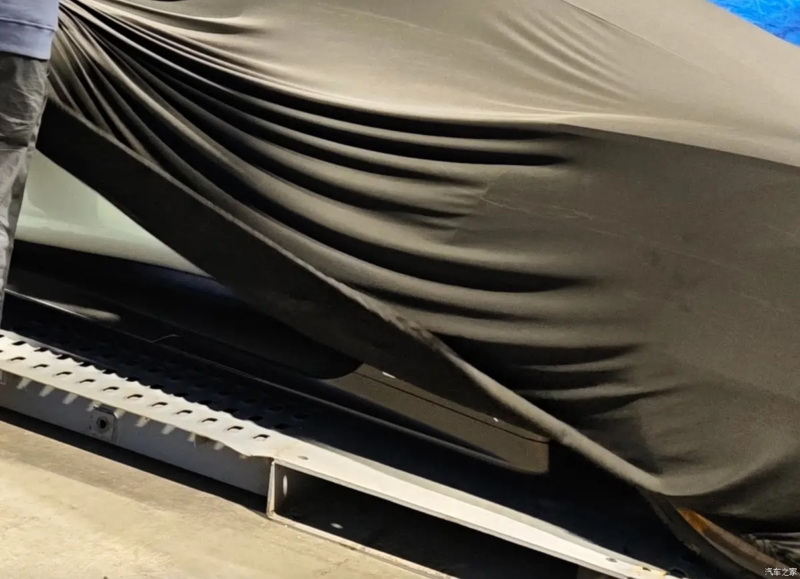
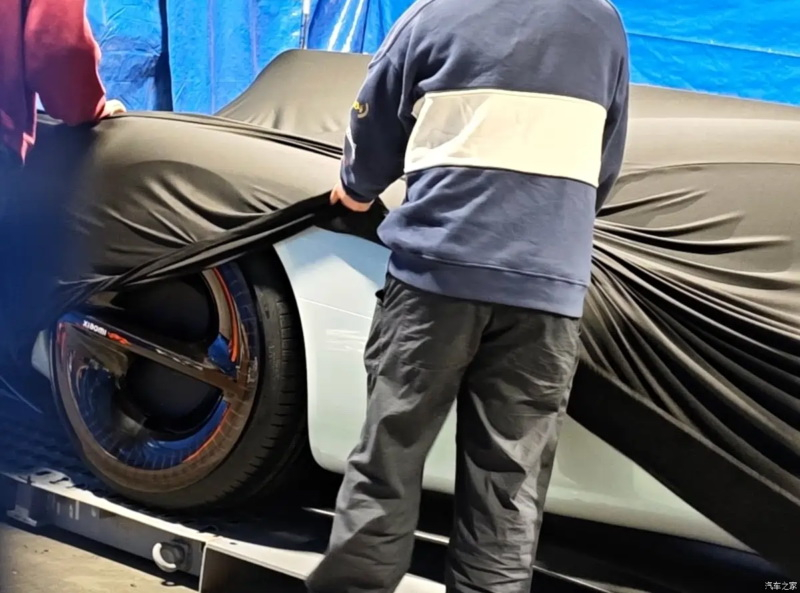
The Vision GT is no ordinary showpiece. Characterized by a supremely low-slung carbon-fiber body, an embedded teardrop cockpit, and aggressive aerodynamic channels, Xiaomi’s hypercar hints at serious performance chops. Photographs surfacing ahead of the show reveal a mid-engine or central-cockpit layout with a commanding rear wing and carbon side skirts, signaling intent beyond a mere digital stunt.
Unlike most concept cars shown at trade fairs, the Vision GT was crafted with its roots in a gaming environment. Polyphony Digital’s Vision Gran Turismo program has long been a playground for automakers to push design boundaries without worrying about regulations or production costs. With titans like Ferrari, Bugatti, and Mazda previously participating, Xiaomi’s entry signals a coming-of-age moment for the Chinese manufacturer on a global motorsport and design stage.
What sets the Vision GT apart is its integration of ”intelligent” features, fitting Xiaomi’s tech profile. The cockpit is said to envelop the driver in a ”cocoon” of comfort, supported by an innovative user interface called Xiaomi Pulse that reacts to the driver’s emotions using light and sound. In essence, Xiaomi isn’t just making a car-they’re offering a connected experience that blurs the line between vehicle and user.
Despite this tech-forward approach, the Vision GT isn’t meant for the showroom floor. It’s a conceptual showcase, untethered by practical constraints like production feasibility, safety regulations, or cost efficiency. Instead, it’s a statement: Xiaomi can compete in the hypercar space on style, technology, and performance imagination, standing alongside traditional sports car heavyweights.
The backstory to this leap is equally fascinating. Xiaomi’s partnership with Polyphony Digital began in mid-2025, following the positive reception of the Xiaomi SU7 Ultra-an electric concept that became the first Chinese-manufactured car included in Gran Turismo 7 since the franchise’s 1997 inception. Test drives by Gran Turismo’s producer at famous circuits, including Nürburgring and Tsukuba, cemented Xiaomi’s credibility in the virtual motorsport community before the physical unveiling.
Xiaomi now joins a historically Euro- and Japan-centric Vision Gran Turismo lineup, marking an important milestone in Chinese automotive ambitions. While the Vision GT’s specs, like its 0.29 drag coefficient and -1.2 downforce figure, suggest serious engineering behind the glamour, it will be the upcoming March 1 technical release that reveals how much of this is feasible in the current EV hypercar market.
What makes Xiaomi’s approach particularly intriguing is how it leverages its strengths: a deep expertise in smart ecosystems and user experience, combined with bold design and motorsport heritage from its gaming ties. Competitors like Tesla and Nio have produced electric performance cars but largely stuck to familiar forms and tech. Meanwhile, legacy manufacturers use virtual concepts to directly inform production models. Xiaomi’s Vision GT plays more like an experimental, tech-infused prototype-more about narrative and brand elevation than immediate sales.
The big question is: will Xiaomi’s Vision GT influence future production vehicles or remain a halo piece for its tech ecosystem? Given Xiaomi’s rapid rise in both tech and automotive ventures, this hypercar could be a preview of more ambitious, electrified mobility solutions. However, the jump from game-inspired concept to road-legal hypercar is enormous and littered with challenges other brands have stumbled over.
For now, MWC 2026 offers a rare chance to see this ambitious fusion of digital fantasy and automotive reality in flesh and carbon fiber. Whether Xiaomi can drive this vision into the fast lane of the global hypercar race remains to be seen, but at least for now, they’re showing the world they’re serious contenders.