

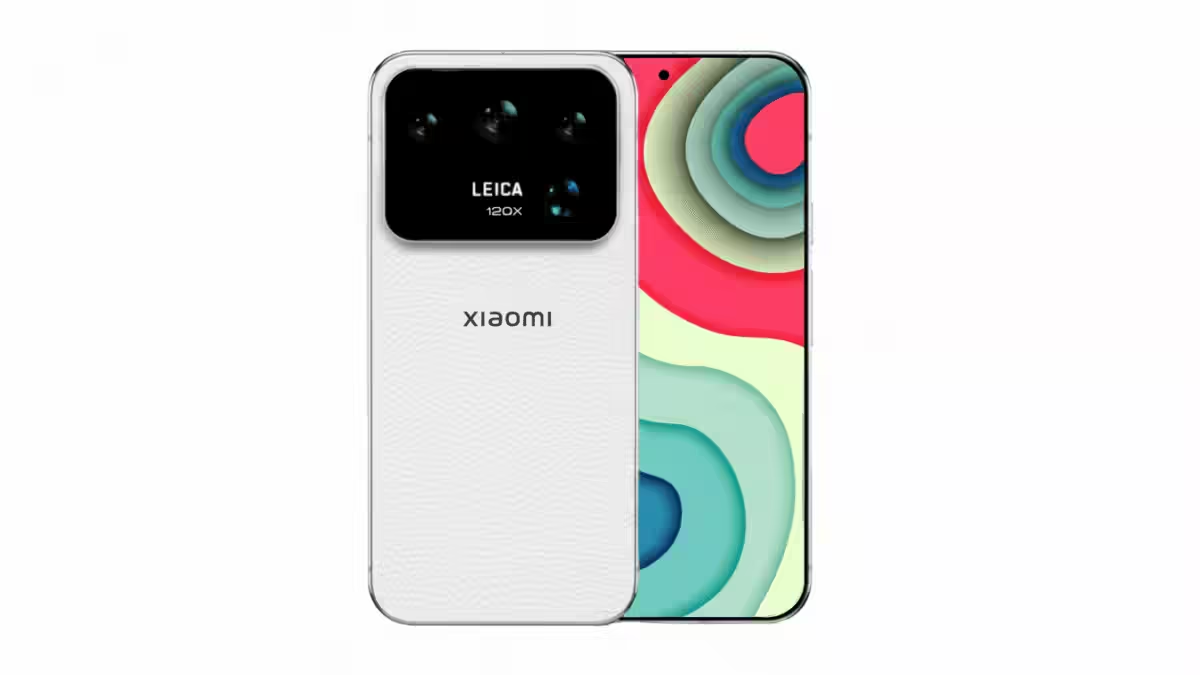
Smartphones are doing more than ever, but most still behave like glorified cameras or tiny laptops. At MWC 2026, the real story won’t be another spec sprint – it will be whether devices finally fuse local AI and flexible hardware into something you can actually rely on day-to-day.
Why this matters: latency, privacy, and usefulness
Users have reached the point where flashy megapixels and raw CPU scores don’t sway buying decisions as easily. People want features that work without a round trip to the cloud: fast image edits while they’re still in the camera app, transcription that doesn’t leak into third‑party servers, and desktop-like multitasking that isn’t a demo stunt. That pressure is why Xiaomi’s camera-centric 16 Ultra and Motorola’s larger, multi‑hinge Razr prototypes look important – not just because they’re new, but because they promise practical on‑device capabilities.
What to expect in Barcelona
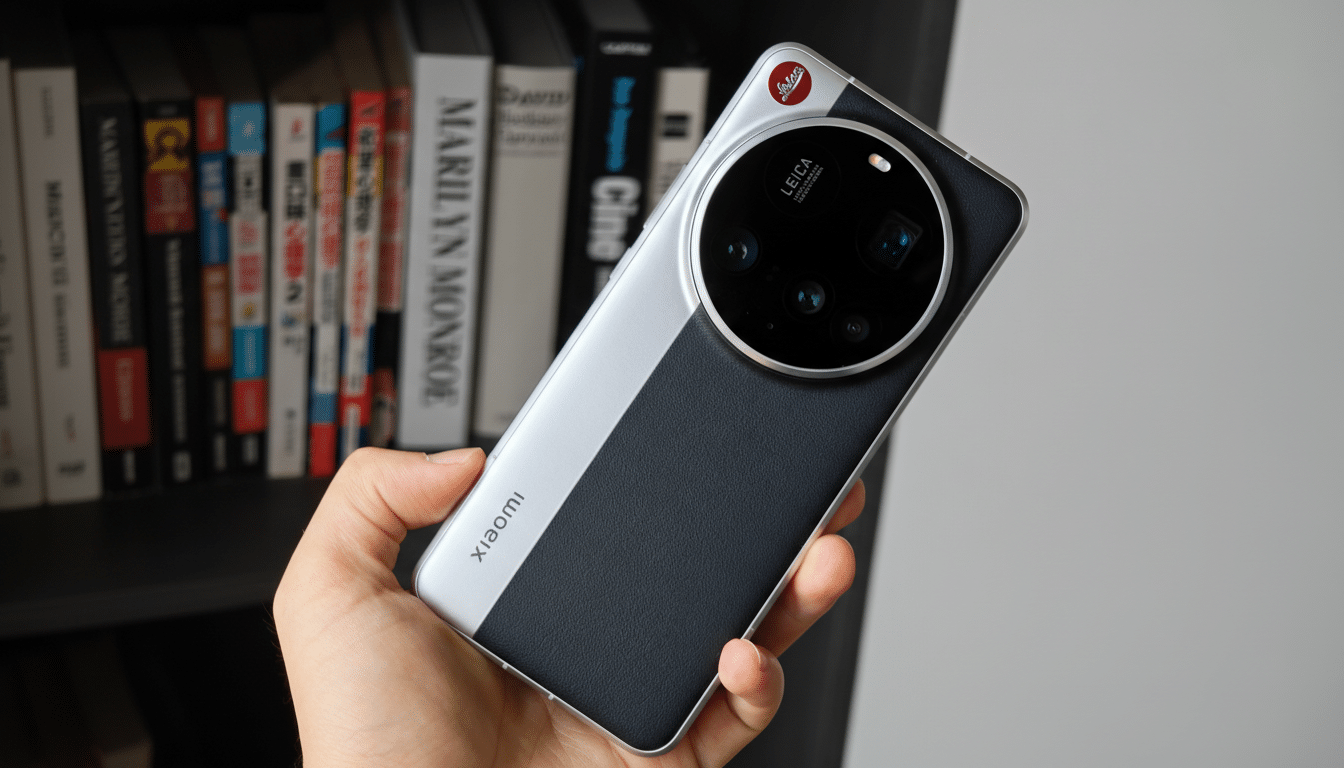
Headliners will follow familiar scripts: Xiaomi is set to unveil the 16 Ultra with a larger primary sensor, refined computational photography, and a periscope stack aimed at low‑light zoom. Charging and endurance will be emphasized too – a 5,000mAh‑class battery with triple‑digit wattage charging is a plausible claim for Xiaomi’s flagship.
Motorola, which helped popularize modern clamshell foldables with the Razr, appears to be pushing into multi‑hinge territory – devices that expand from phone to small tablet. The attraction is obvious: bridge portability and productivity without the bulk of early book‑style foldables. Samsung, Google, Honor, Nothing, and TCL will all be pushing complementary narratives: Samsung and Google on software and ecosystem smoothing; Honor on cross‑device tricks; Nothing and TCL on design and value.
The trend behind the headlines: AI on the device
Industry analysts have been clear that AI shifting from cloud to device is this year’s mobile battleground. On‑device neural processing units are getting faster, and manufacturers are packaging local models for tasks like scene relighting, offline transcription, and privacy‑preserving voice capture. That reduces latency and preserves user data – two real selling points – but it also moves complexity onto batteries and thermals.
Who wins and who loses
Winners: phone makers that pair meaningful offline features with software that behaves consistently outside the controlled demo loop. A camera that edits cleanly on device, or a foldable that turns into a genuinely useful small tablet with a stable desktop mode, will create sticky advantages.
Losers: companies that treat on‑device AI as PR lipstick without addressing heat, battery degradation, or developer access. Cloud‑only experiences risk looking slower and more expensive in markets with spotty connectivity. Also at risk are buyers who chase headline specs – like ultra‑fast charging – without checking regional differences; Xiaomi’s global variants have historically differed in modem bands, charging caps, and memory tiers, so the fine print matters.
What to test in real life
If you’re in Barcelona or watching reviews, don’t be fooled by stage polish. Reproduce the demos: test shutter lag in low light, try multitasking in desktop modes with a real keyboard, and check screen PWM (pulse-width modulation) if you’re sensitive to flicker. For batteries, demand clarity around cycle life and thermal controls – manufacturers are increasingly citing 800-1,000 cycle durability claims and smarter charge modes, and those numbers deserve verification.
How this compares with past cycles
Foldables have been inching toward maturity since clamshell revivals around 2019 and the first book‑style devices that followed. Early efforts prioritized spectacle over longevity; the current push is toward durability, crease management, and utility. Similarly, the move from cloud AI to on‑device models mirrors past transitions – think photo processing and offline speech recognition – but with higher stakes because of power and thermal trade-offs.
Your bottom line
If you want the sharpest cameras and fastest charging, keep your eyes on Xiaomi’s 16 Ultra. If foldable productivity matters, a multi‑hinge Razr that actually works outside the booth would be consequential. Samsung and Google will largely shape the software narrative, while Honor, Nothing, and TCL will fill gaps for cross‑device cohesion and value. Most importantly, expect more phones to promise offline AI; insist on evidence they can sustain it without burning through battery life or turning into warm paperweights.
MWC will provide the sizzle – your job is to find the steak. The next few years will tell whether these devices become everyday hubs or merely fancier status symbols.