

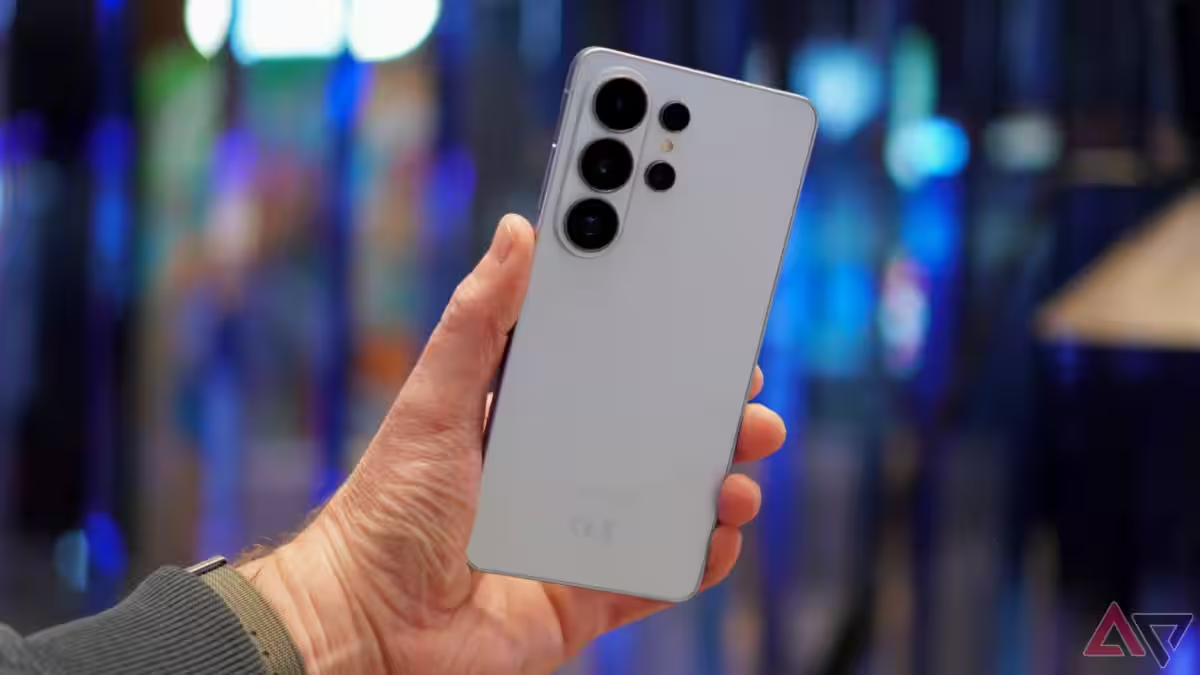
Samsung’s Galaxy S26 Ultra is the sort of phone reviewers nod at politely: enormous specs, polished design, a fiddly new shade of the familiar. But the real story around the S26 Ultra isn’t that Samsung built another powerful flagship – it’s that for many buyers, ”powerful flagship” no longer maps to ”best choice.”
If you care more about battery life, price, a radically different form factor, or AI features that actually change how you use a phone, there are better bets. Below are five alternatives that highlight how the stakes in flagship buying have shifted: endurance and value, foldables, and software-first differentiation now matter as much as raw megapixels and benchmarks.
OnePlus 15 – battery and value over incremental flagship polish
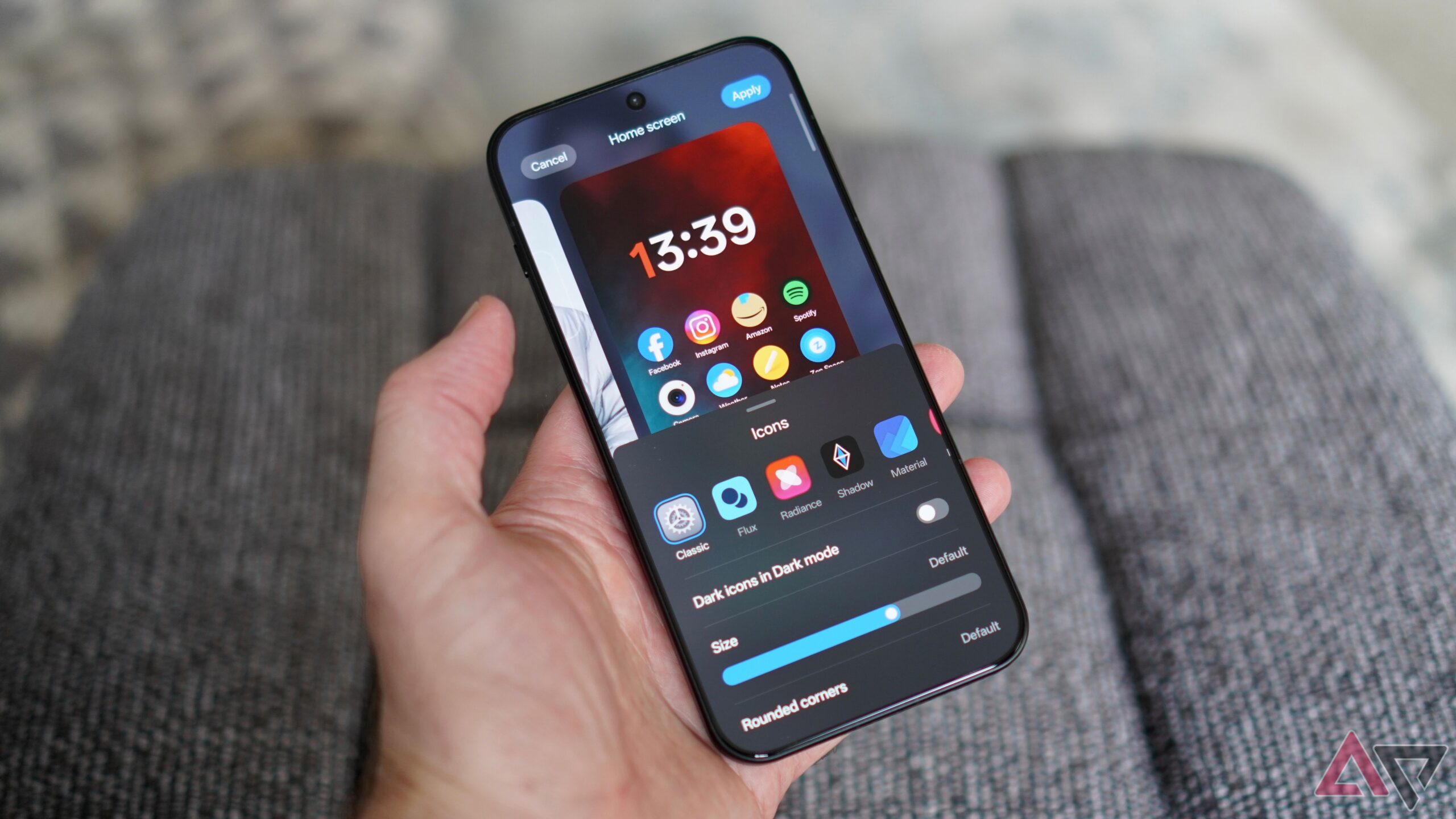
If the S26 Ultra is a demonstration of how much Samsung can pack into a single slab, the OnePlus 15 trades a tiny slice of peak camera spec for two things many users actually notice: battery life and price.
Both phones use the Snapdragon 8 Elite Gen 5 and can be configured with up to 1TB of storage and 12GB or 16GB of RAM, so performance is a wash for most users. Where the OnePlus 15 pulls ahead is battery: a 7,300mAh cell and 120W wired charging (50W wireless) versus the S26 Ultra’s 5,000mAh with 60W wired and 25W wireless. That is not a marginal advantage – it changes daily usage. The OnePlus also undercuts Samsung on price, which matters when the specs are this close.
Samsung Galaxy Z Fold 7 – pay more for a different category
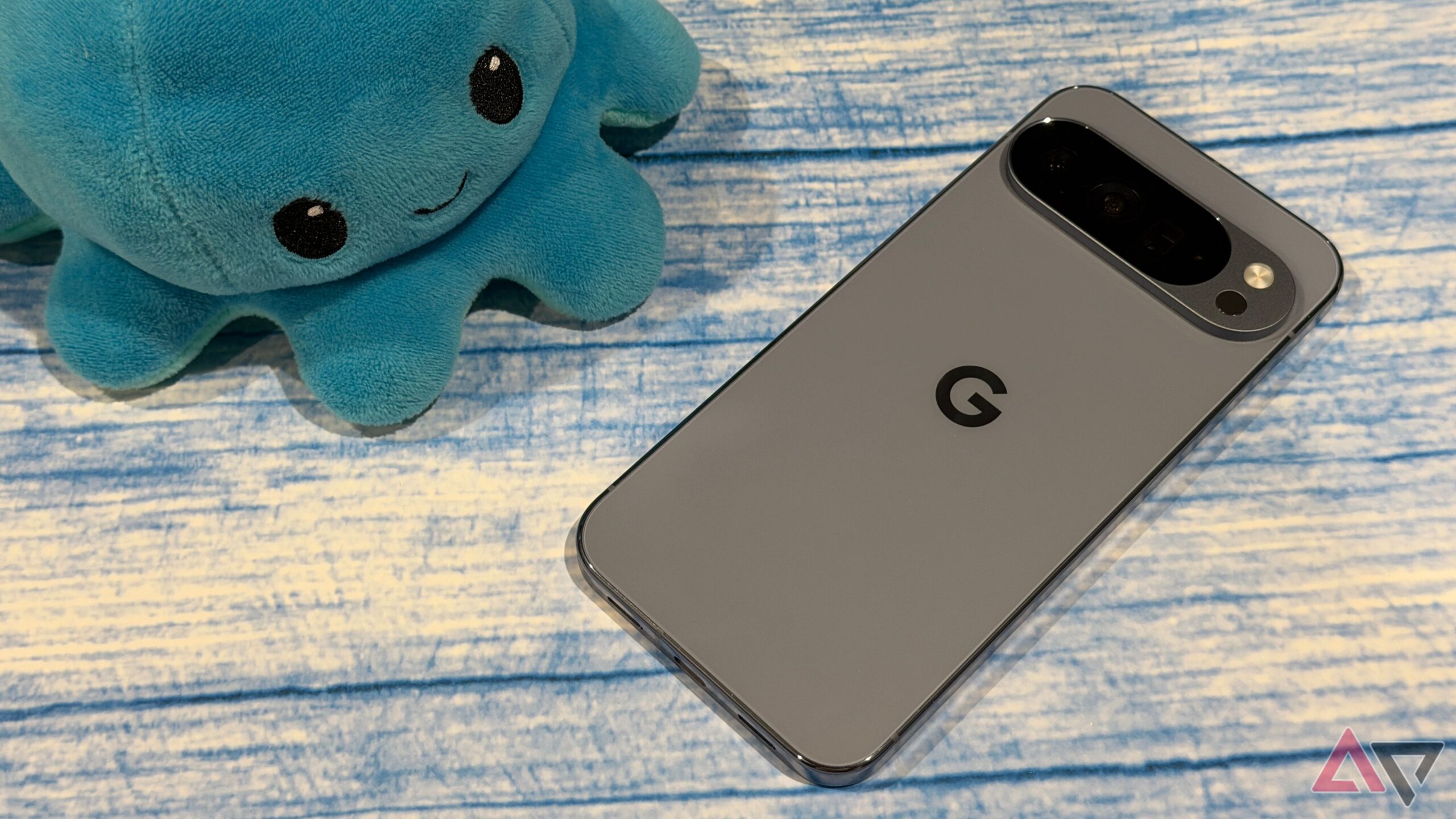
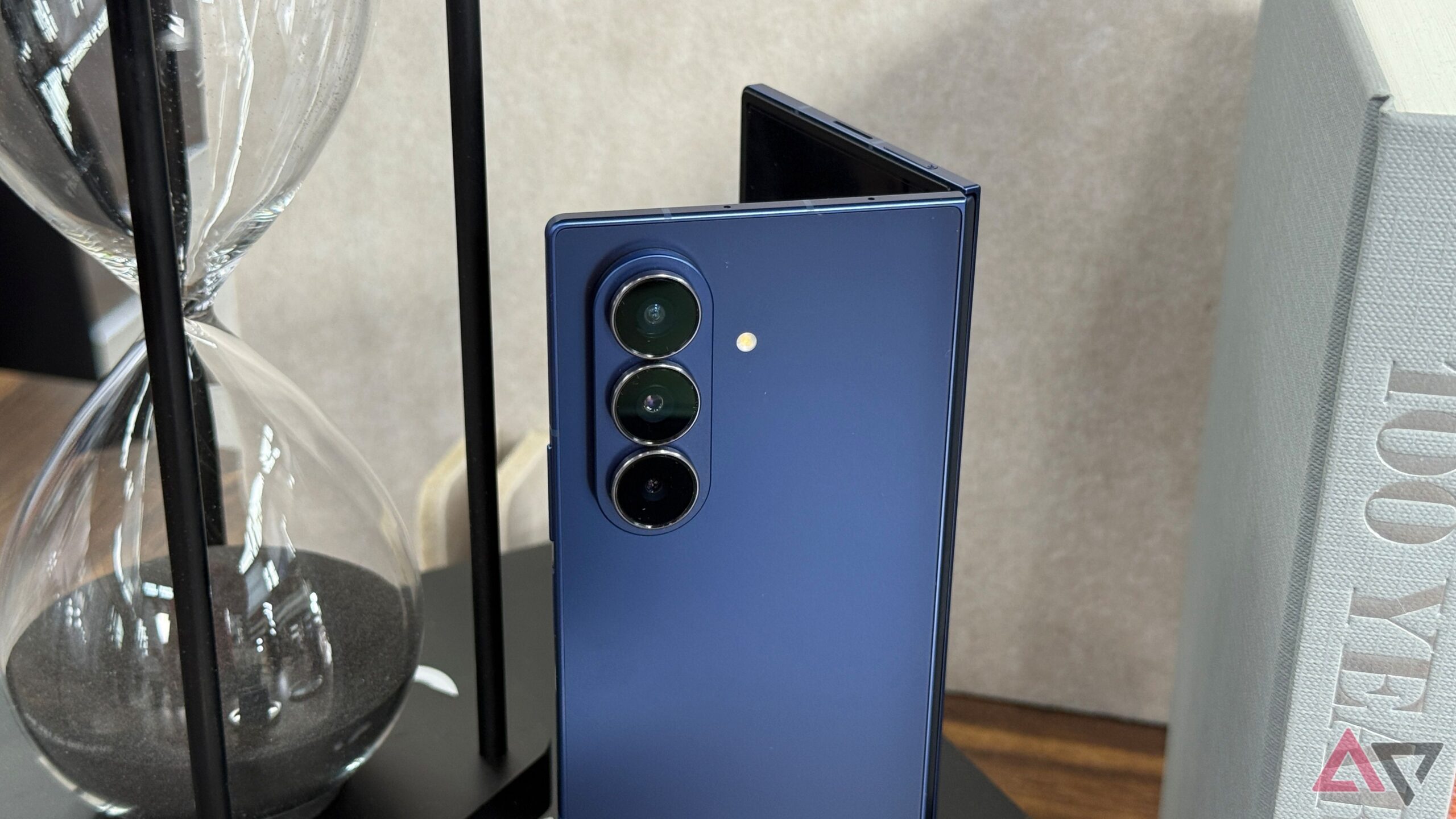
If the S26 Ultra is the mountain’s summit, the Z Fold 7 is a different peak. It isn’t strictly faster – its Snapdragon 8 Elite is a generation behind the Ultra’s chip – but it offers a foldable experience: a 6.5-inch external screen that opens to an 8-inch interior display. That changes what the device is good for. Watching video, editing documents, or keeping multiple apps visible is simply less awkward on a tablet-sized inner screen.
Yes, the Fold 7 is expensive – it can even be pricier than the S26 Ultra – but you’re paying for a different product category, not a slightly better slab. For buyers who value screen real estate and productivity in a single pocketable device, the Fold remains the standout alternative.
Google Pixel 10 Pro XL – pick software and camera magic over raw grunt
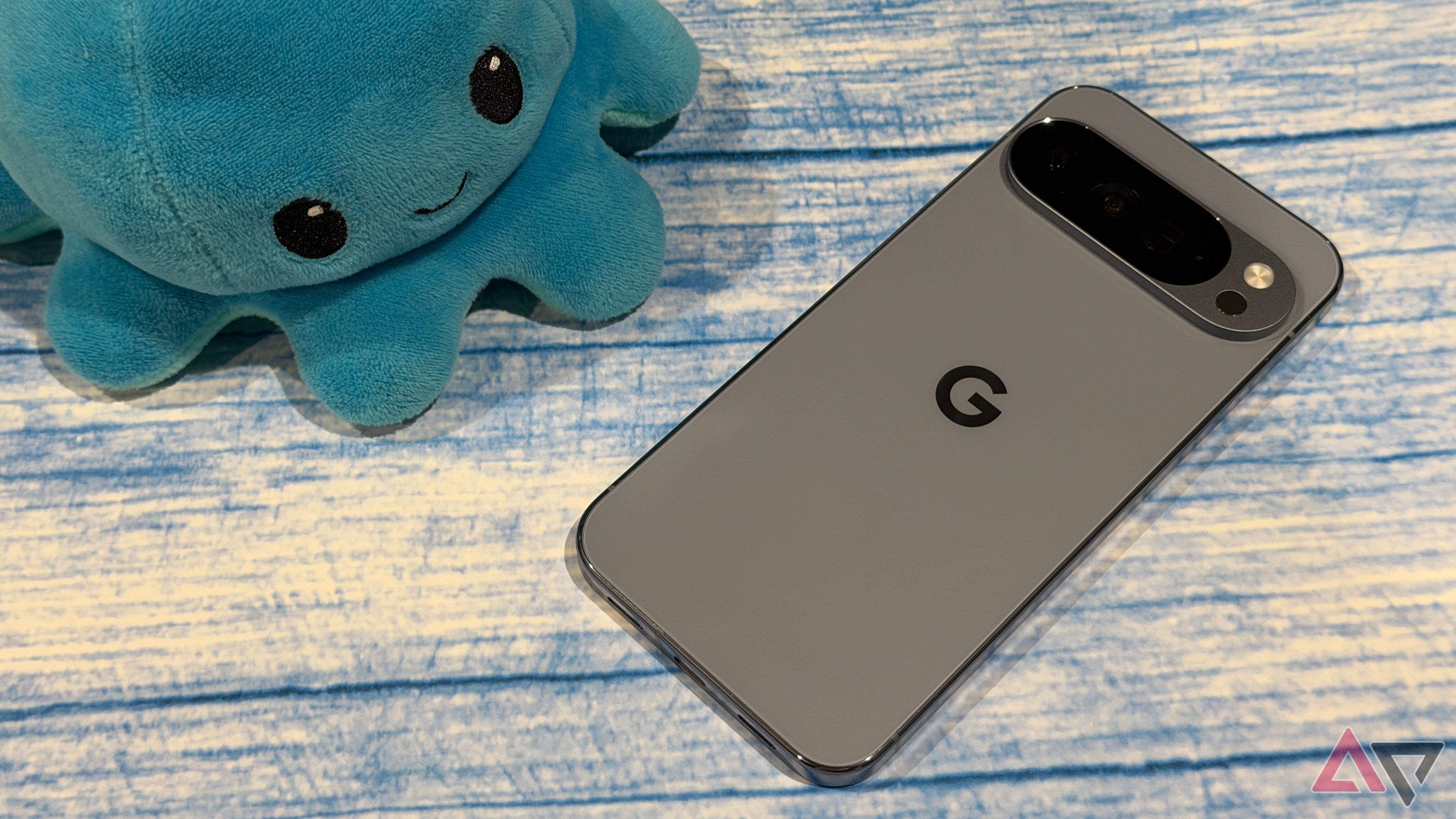
The Pixel 10 Pro XL won’t win on benchmarking fireworks – it runs on Google’s Tensor G5 rather than the S26 Ultra’s Snapdragon 8 Elite Gen 5 – but Google has aimed the Tensor line at AI tasks that change the phone’s day-to-day usefulness. Call screening, conversation summaries, on-device assistants that parse your email and photos: these are the features that can make a Pixel feel smarter rather than simply faster.
Combine that software advantage with Google’s camera processing and you’ve got a phone that delivers better-looking photos in practical scenarios, even if Samsung’s hardware reads bigger on paper. If computational photography and AI features are your priorities, the Pixel 10 Pro XL is a better fit than another incrementally improved Ultra slab.
Moto Razr+ (2025) – the clamshell flip if form factor matters
Not everyone wants a big screen. The Moto Razr+ 2025 (also described as the Razr Ultra in some listings) is the best modern clamshell flip on offer: it folds small when you need pocketability and opens to a 6.9-inch main display, with a surprisingly capable 4-inch external panel for quick tasks.
Under the hood it uses a Snapdragon 8s Gen 3 – less powerful than the Ultra’s top chip – but performance is still more than adequate for most apps and games. The Razr+ is a conscious trade: you lose a bit of raw camera and benchmark dominance, and you pay a premium over straight slab phones, but you gain a compact identity and a novel interaction model that many users find liberating.
Samsung Galaxy A56 – enough phone for a lot less money
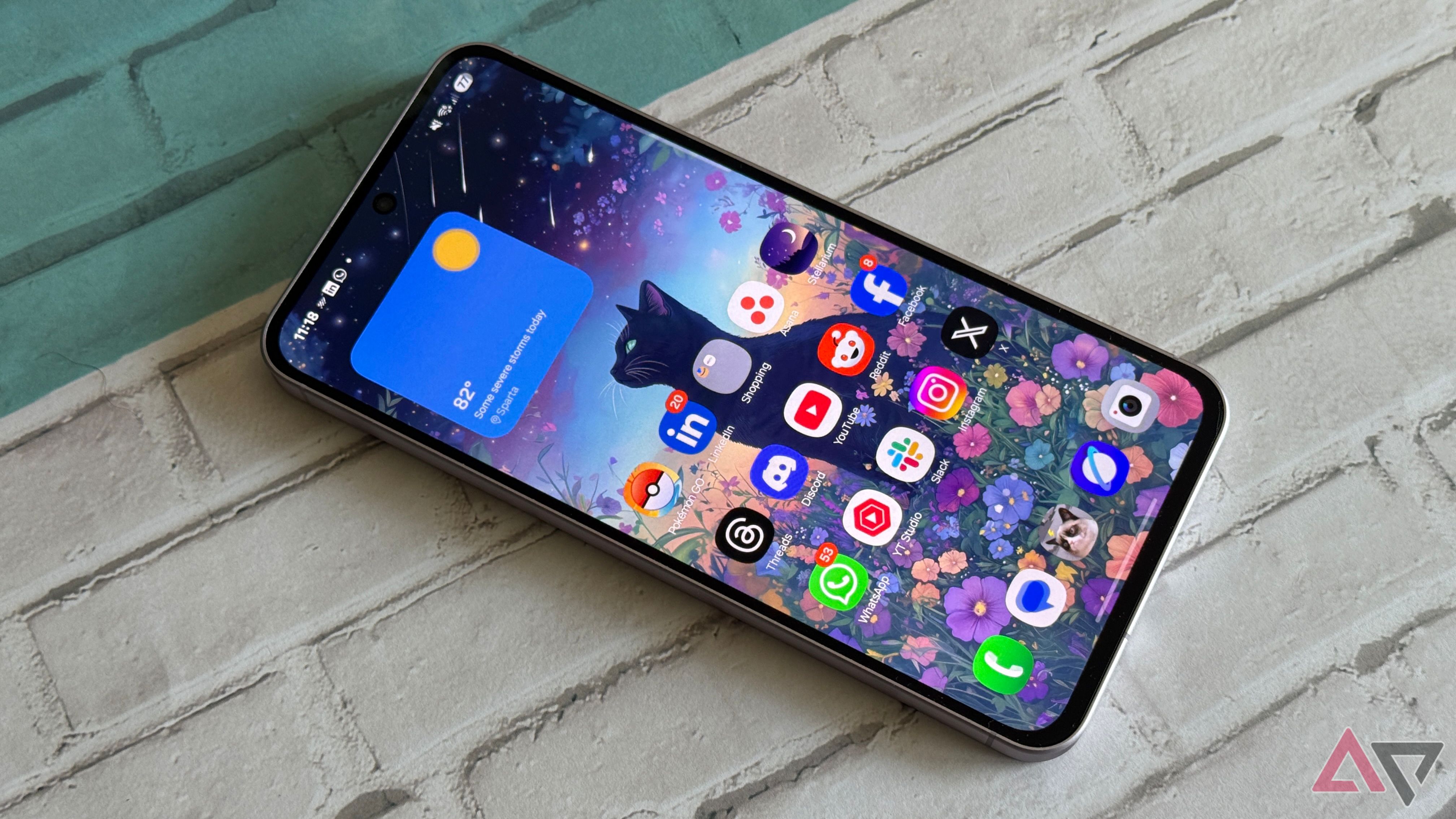
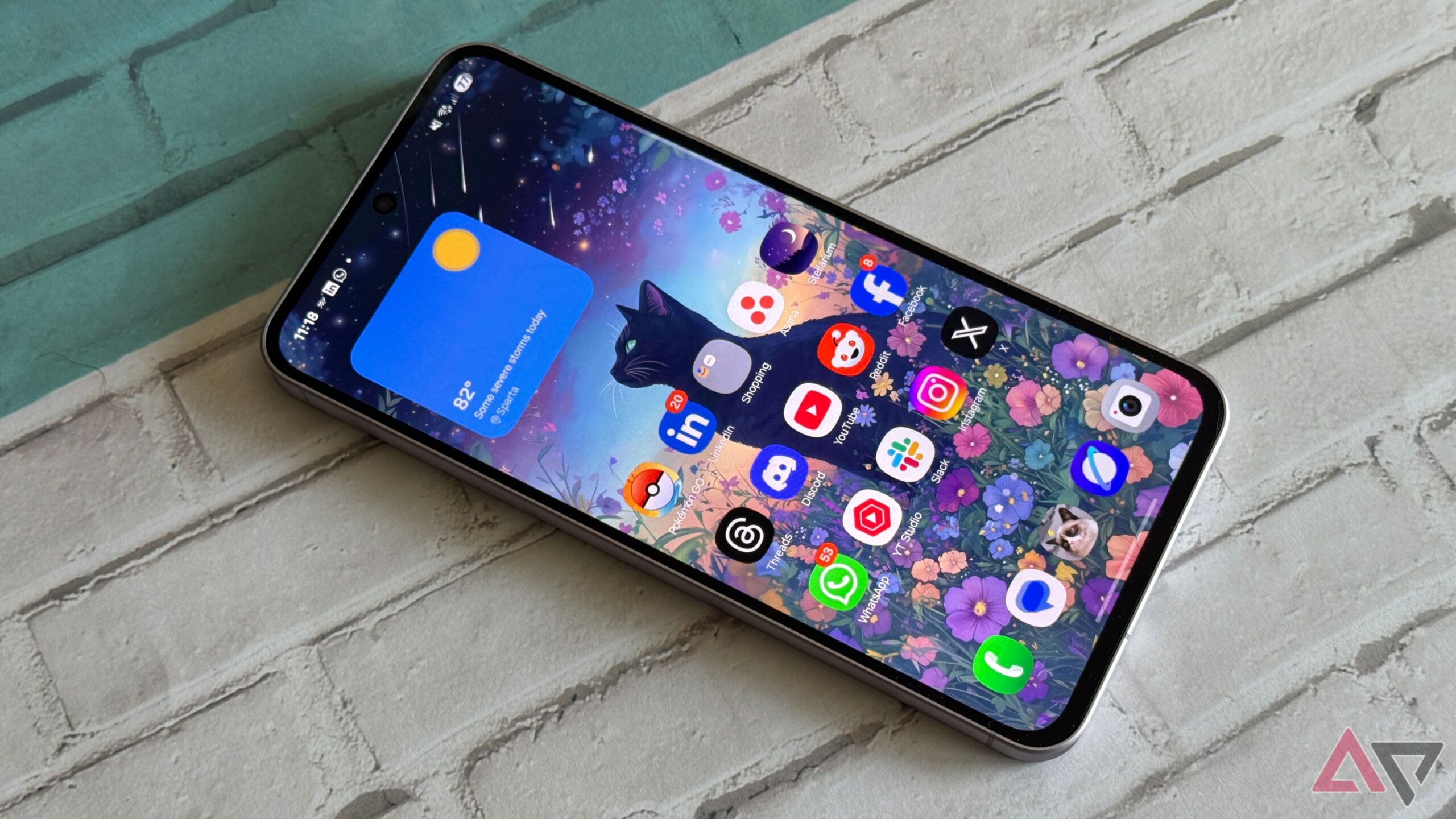
Finally, a contrarian pick: the Galaxy A56. It lacks flagship-level cameras and premium materials, but it delivers what most people actually use: a capable Exynos 1580, a 5,000mAh battery with 45W charging, and a large 6.7-inch AMOLED. In short, it has ”enough” where it counts.
If you’re weighing the S26 Ultra’s four-figure price against daily needs – social apps, photos that look good on the feed, reliable battery life, and a smooth display – the A56 is a reminder that value has returned to the conversation.
What this list reveals about flagships in 2026
Samsung’s S line has reached a point where incremental hardware gains feel less persuasive to buyers who can choose for different strengths. That is a win for consumers: manufacturers now must differentiate on battery life, pricing, foldable engineering, or software features instead of just stacking megapixels and memory.
Who wins: buyers with clear priorities. Want endurance and a lower price? Look at OnePlus. Want AI and computational photography? Pixel is the pick. Crave a new form factor? Foldables and clamshells deliver. Who loses: the flagship-as-status-quo crowd – the model of buying the most spec-heavy slab every year is losing some of its logic.
What’s next: expect Samsung to keep refining the Ultra formula while also nudging buyers toward foldables for margins and differentiation. OnePlus and Google will keep using non-benchmark advantages – battery strategy and on-device AI – as the main hooks. And budget-premium models like the A56 will remind buyers that you can skip the flagship treadmill without feeling like you sacrificed much.
If you’re hunting for a new phone, make a short list of what you actually use your current phone for. If your answers prioritize battery, price, different screen sizes, or smarter software, the Galaxy S26 Ultra suddenly looks less inevitable – and that’s a good thing.