

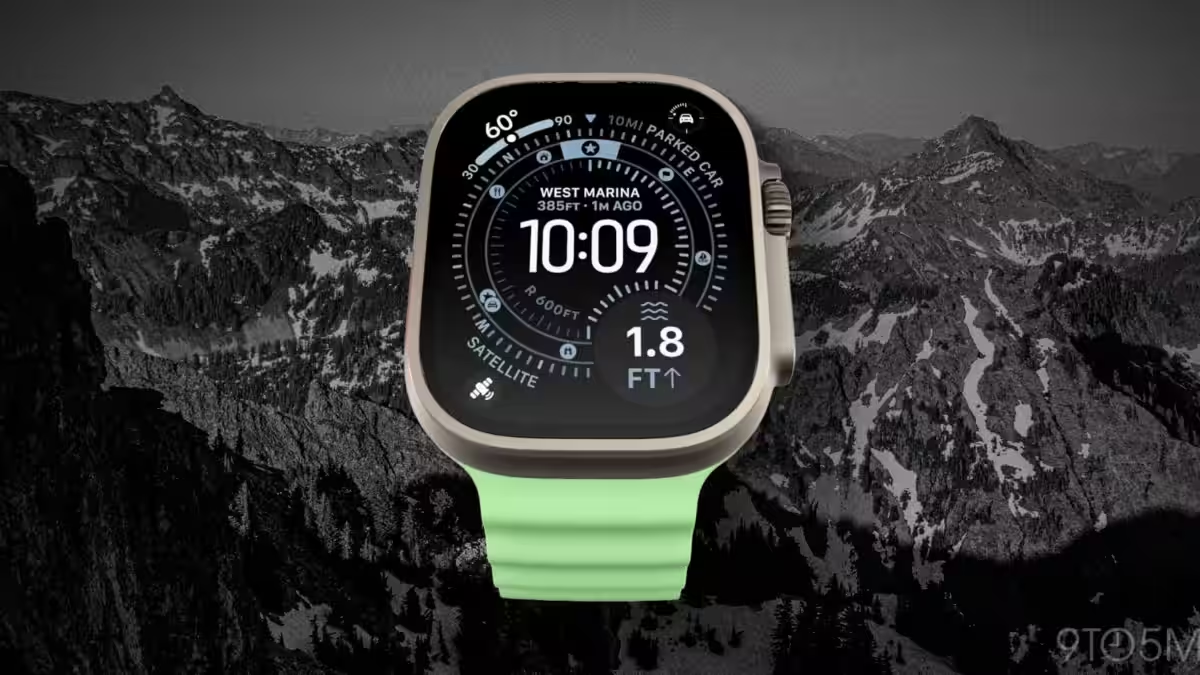
Smartwatches have two stubborn problems: their health-tracking claims often outpace what the hardware can reliably measure, and convenience features (like unlocking or paying) still fall back on fiddly passcodes. The rumors about Apple Watch Ultra 4 arriving this September suggest Apple is attacking both issues at once – more and better sensors, plus on‑device biometric authentication – while stopping short of the biggest health headline people want: non‑invasive blood glucose monitoring.
What the leaks say – in plain language
Supply‑chain reporting has indicated Ultra 4 will double the number of sensor components compared with the current model, which points to a hardware push rather than just smarter software. The same sources say Apple is pursuing meaningful power‑efficiency gains, and separate code leaks flagged work on Touch ID for 2026 Apple Watch models.
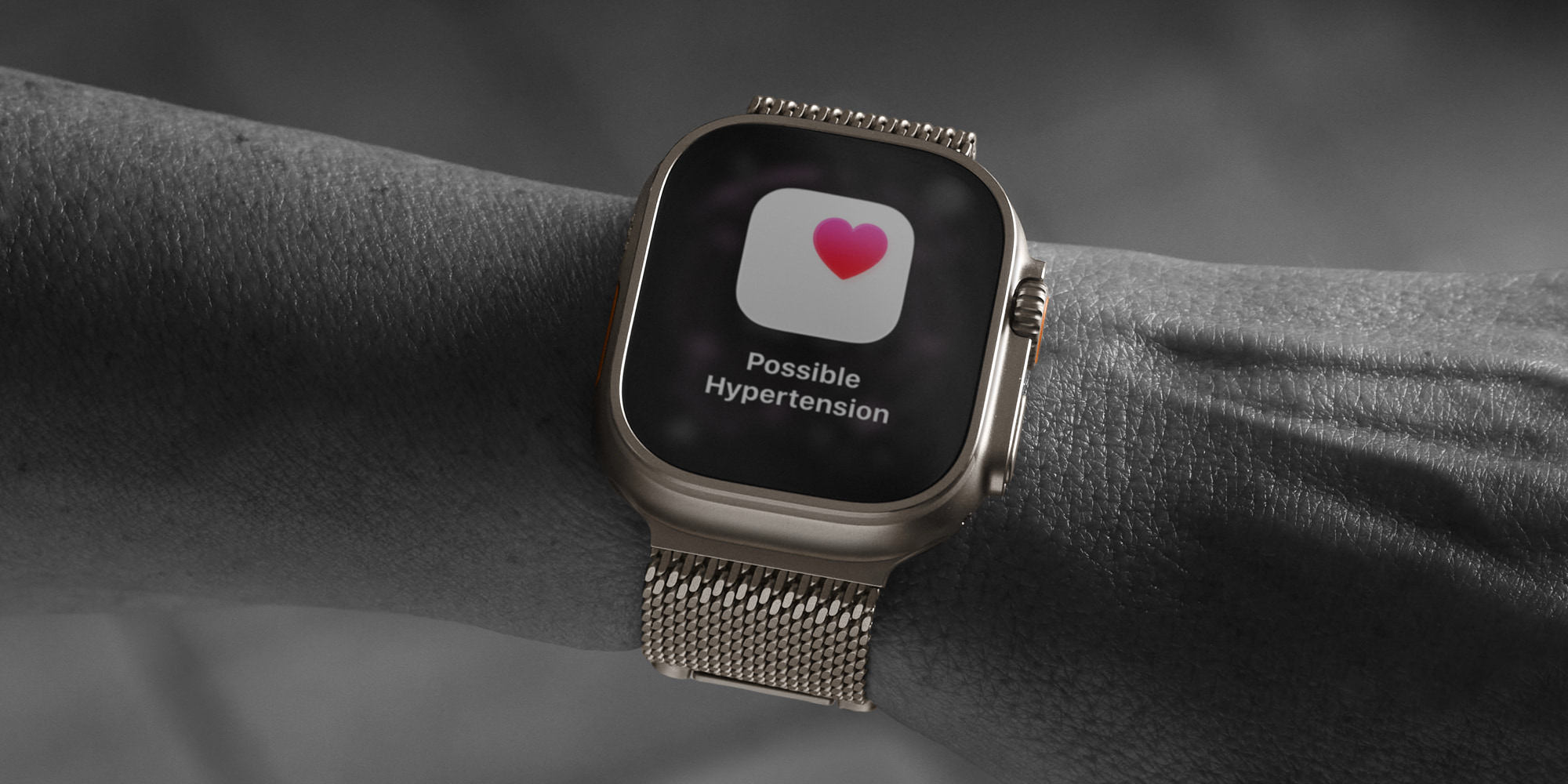
Why more sensors matter (and why they don’t automatically mean better health data)
Adding sensors can reduce reliance on inference-heavy algorithms. In practice that can mean fewer false positives, more usable trend data, or better battery life because the device can sample smarter. But extra optics and electrodes bring engineering trade‑offs: calibration, skin contact consistency, environmental noise, and regulatory scrutiny if Apple markets any readings as medical.
Apple has precedent here: it moved cautiously with ECG and atrial fibrillation (AFib) features, seeking regulatory clearance before making medical claims public. Non‑invasive glucose monitoring is a far tougher problem. Despite years of headlines and startup promises, the physics and validation hurdles remain steep – which is why the current crop of rumors explicitly says a blood sugar feature is not expected for this year.
Touch ID on a wrist: convenience vs. constraints
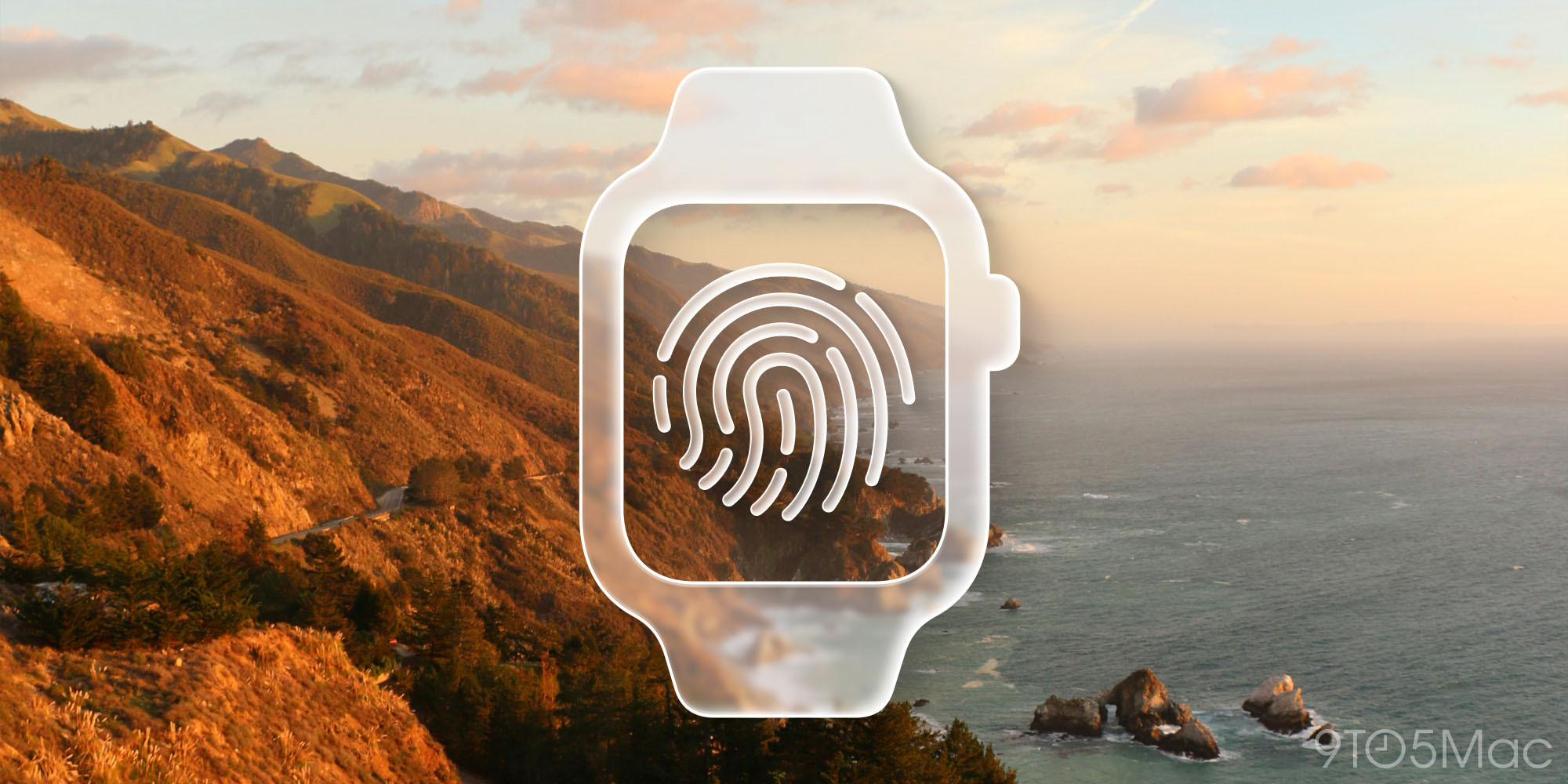
Leaked code has referenced an internal name historically linked to Touch ID, suggesting Apple is experimenting with fingerprint authentication on watches. If Apple ships a reliable Touch ID implementation in the crown, side button, or Action button, the result will be fewer forced passcode entries and smoother payments when Face ID isn’t available.
That said, putting a fingerprint reader on a device that’s constantly moving, sweating, and exposed to dirt is nontrivial. The tradeoffs are mechanical – where to put the sensor so it’s usable – and UX – how Apple makes enrollment and fallbacks frictionless. Expect Touch ID to be an option rather than a wholesale replacement for existing flows.
Battery gains: good odds, sensible limits
Rumors point to ”significant” power efficiency improvements, likely a mix of a new S‑class chip and sensor-level efficiencies. Apple already squeezed more endurance out of recent Ultra models, so incremental gains are plausible. The hard choice will be whether Apple uses that headroom for longer runtime, a smaller battery to free space for sensors, or a larger feature set that consumes the extra budget.
Who wins and who loses
Apple stands to benefit most: better sensors and Touch ID reinforce the Ultra line’s premium pitch and strengthen lock‑in around health and payments. Users win if the sensors deliver clinically useful, low‑noise data. Wearable rivals that survive on novelty rather than validated measurements will face stiffer competition.
Regulators and clinicians are the other, quieter winners or losers. If Apple moves into features that resemble medical devices, it will encounter the same clearance and evidence demands it faced with ECG and AFib tools. That’s a reason to be skeptical when companies promise breakthrough medical sensing without visible validation work.
What I’d look for when Apple shows Ultra 4
Promised sensor counts are a headline, but the real questions are about calibration, contextual data (how the watch knows when readings are valid), and whether Apple will present any clinical validation. For Touch ID, attention will land on placement, reliability through sweat and movement, and integration with payments and passkeys. And for battery, watch for whether Apple markets longer runtime or simply uses efficiency gains to add features.
We’re still several months away from an expected early September unveiling, so leaks will keep arriving. For now the pattern is clear: Apple is doubling down on hardware that supports better health measurements and easier authentication, while avoiding the riskiest medical promises – for now.
Verdict
If these rumors are accurate, Ultra 4 looks like a sensible, incremental advance rather than a blockbuster pivot. That’s a good thing: better sensors and real battery improvements will be more useful to most buyers than the headline of a never‑quite‑ready glucose feature. Expect Apple to keep pushing the hardware envelope, and to be careful about how it frames any health claims.