

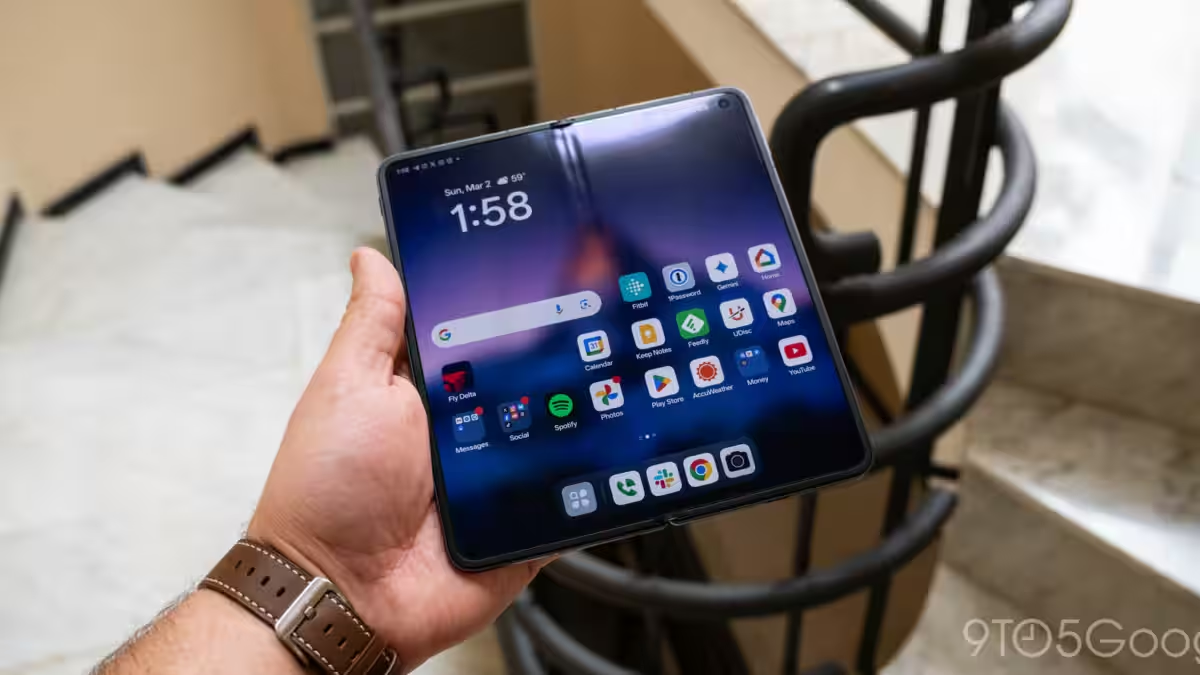
For years, the foldable phone’s Achilles’ heel has been obvious every time you opened one: the crease. It doesn’t just look untidy – it ruins drawing with a stylus, catches reflections during video, and constantly reminds you this is still prototype territory. Now Oppo and Honor are both teasing devices that claim to have eliminated that visible fold. That’s a meaningful step toward mainstreaming foldables, but lab demos and marketing promises are a long way from customers using these phones for 18 months without heartache.
Honor’s Magic V6 is scheduled to debut at MWC on March 1, and Oppo’s Find N6 is coming soon with no firm retail date announced. Both companies have put out teasers showing interiors and production footage that, at first glance, does appear to show a much less obvious fold line. Oppo’s production video highlighted a unit surviving 170,000 automated fold/unfold cycles without developing the familiar crease.
Why this matters
Closing the crease is not cosmetic theater. It’s the technical blocker that keeps foldables expensive, fragile, and niche. A visible fold affects usability (try drawing across one), makes displays harder to protect, and feeds the perception that foldables are fragile toys rather than durable, everyday phones. If manufacturers can remove or dramatically reduce that line without sacrificing thinness, battery life, ingress protection, or repairability, the argument for paying more for a foldable becomes much stronger.
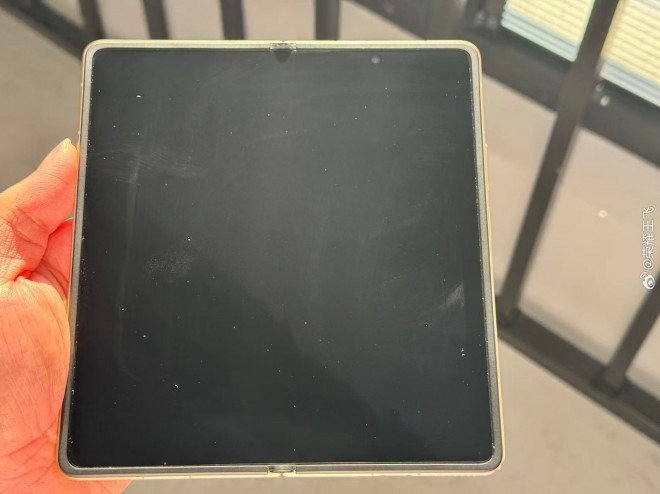
Honor has also hinted at a ”Super Steel Hinge” and said its design keeps IP68/69 dust and water resistance while preserving battery capacity and a thin profile. Oppo has been showing factory footage that suggests new internal assemblies and folding tests, rather than only staged videos of polished devices.
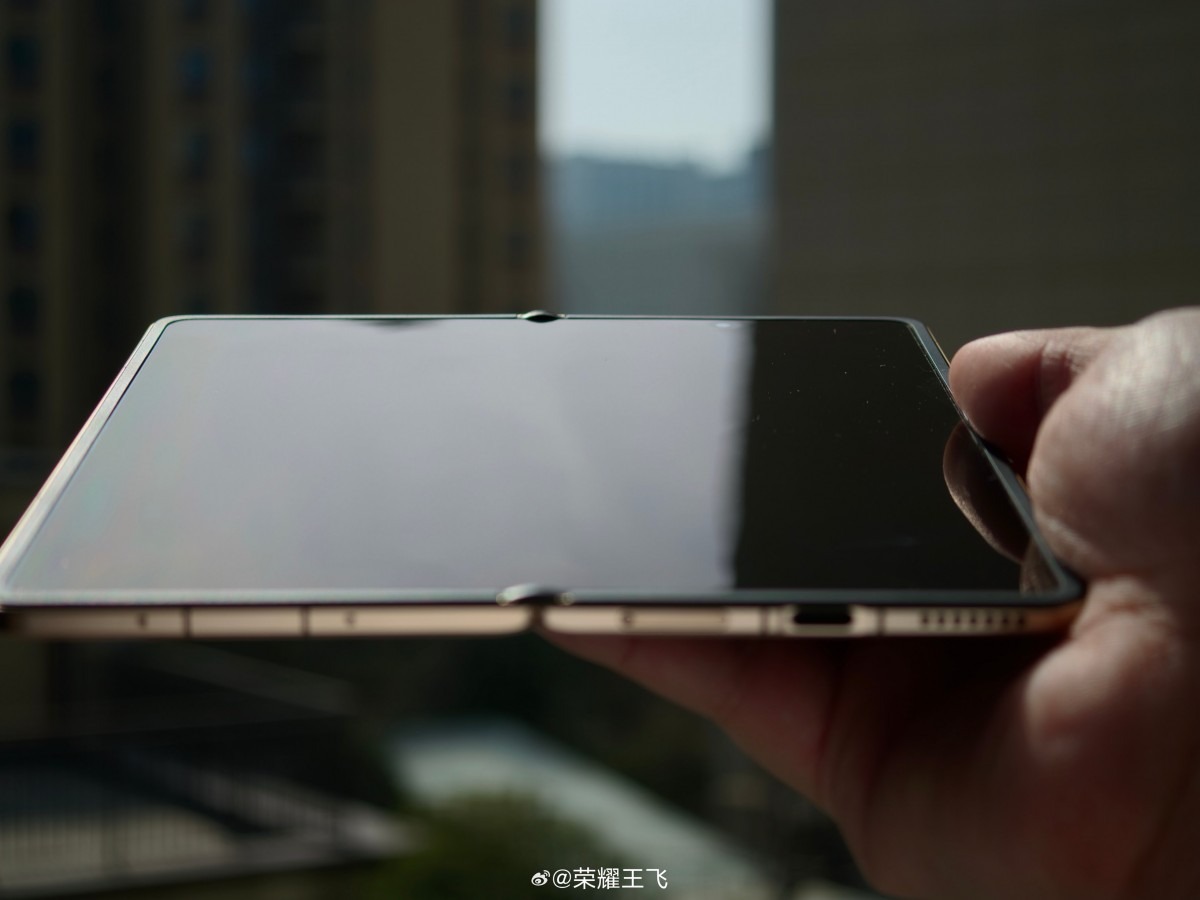
What’s new under the hood – and what’s not
Manufacturers have chased two basic technical routes for years: softer fold radii with clever hinge mechanics, or tougher foldable layers such as improved plastic films and ever‑thinner glass. Neither approach is simple. Hinge redesigns can add thickness, weight, or points of failure; newer cover materials can reduce crease visibility but make the screen harder to repair or manufacture at scale. Both Honor and Oppo are suggesting they struck a better balance, but the companies haven’t yet put long‑term, independent test results on the table.
Why you should stay skeptical
There are three reasons to treat these teases as progress, not a declaration that the foldable era has fully arrived:
• Lab cycles are not the same as consumer life. Automated tests (like the 170,000 folds Oppo displayed) are useful benchmarks, but they don’t replicate keys, pocket dust, temperature swings, repeated pressure from a thumb or pen, or the occasional accidental drop.
• Visual absence of a crease in marketing photos is not proof of durability. Lighting, shallow photo angles, and careful device selection can hide imperfections. Real users matter: months of daily folding are where many previous improvements showed their limits.
• Fixing the crease may trade one problem for another. Thicker hinges, new adhesives, or multi‑layer display stacks can complicate repairs and push up replacement costs. The economics of keeping foldable prices accessible while maintaining repairability and supply chains is nontrivial.
Who wins, who loses
If Honor and Oppo pull this off at scale, they’re the immediate winners: a demonstrable hardware differentiator gives them marketing momentum and a real reason for buyers to choose their foldables over older designs. Consumers win too – provided the devices ship at reasonable prices and survive daily use.
Competitors who have relied on incremental improvements rather than a visible fix may feel pressure: the foldable market is still small, and a credible ”no crease” story could accelerate adoption and change consumer expectations. After that, the supply chain and repair networks either benefit from higher volumes or suffer if replacement parts remain costly.
What’s missing from the teasers
Neither company has published independent, long‑duration durability data, nor have they clarified retail pricing or global availability. Honor’s Magic V6 launch date is March 1 (MWC), while Oppo’s Find N6 has no firm release date yet. Details that matter to buyers – typical repair costs, how the screen handles pressure from a stylus over months, and how warranty coverage treats fold wear – are nowhere to be seen.
Verdict and outlook
Crease‑less foldables have been promised before. This time, the combination of hinge engineering and display material advances looks more convincing because both Oppo and Honor are showing production‑line evidence rather than only staged renders. But until independent reviewers and everyday users report back after real-world use, treat these announcements as significant progress – not the arrival of a fully solved product category.
Over the next 6-12 months, expect more labs, teardown reports, and long‑term reviews. If those corroborate the teasers, the industry will shift from incremental improvements to a new baseline: foldables where the screen behaves like a flat display even after months of hard use. That would finally remove one of the biggest excuses for staying with a traditional slab phone. Until then, keep your skepticism and your warranty paperwork close.