Big games need big pre-release ecosystems. With Dawn of War IV not due until 2026, Games Workshop and McFarlane Toys are already rolling out physical tie-ins: collectible figures, legion-branded water flasks, and wall art aimed squarely at collectors and franchise fans.
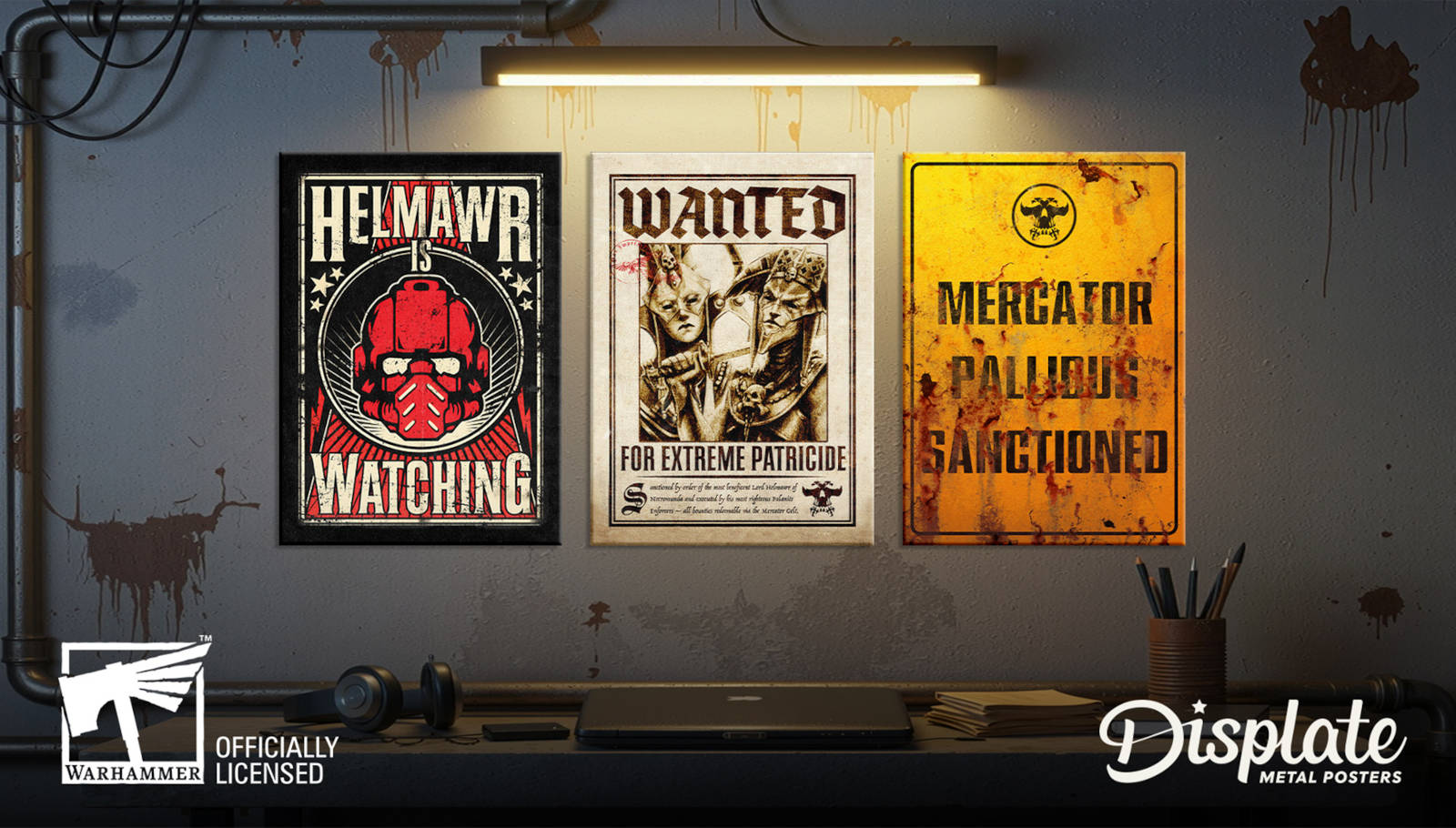
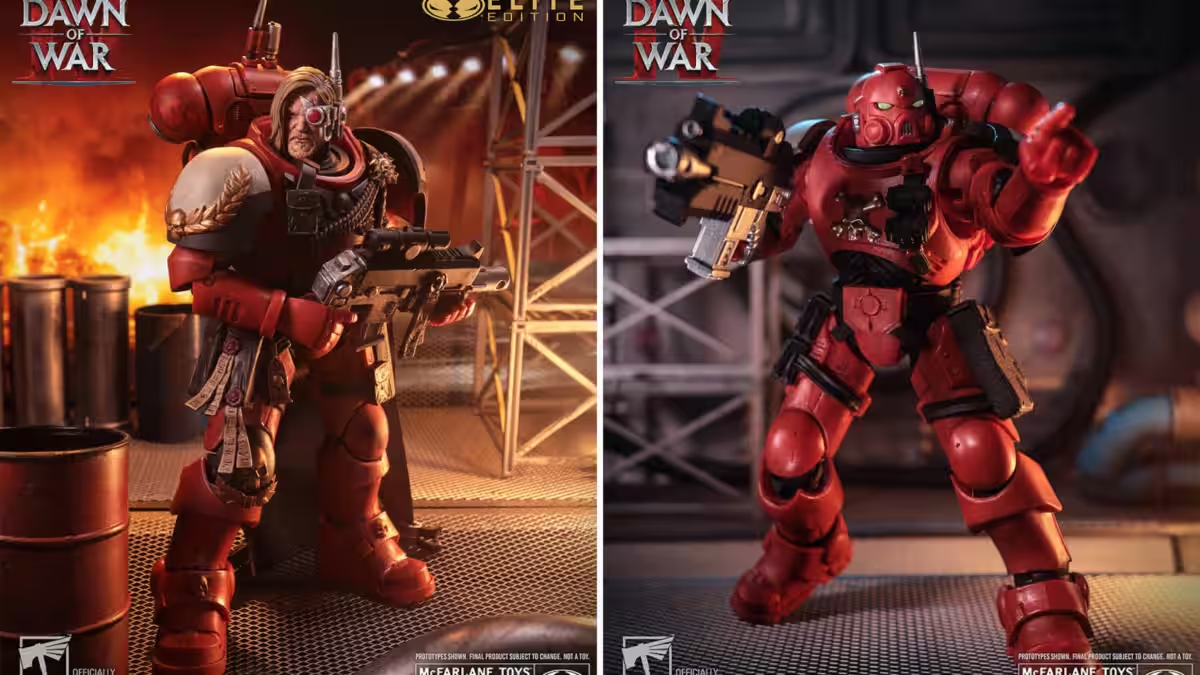
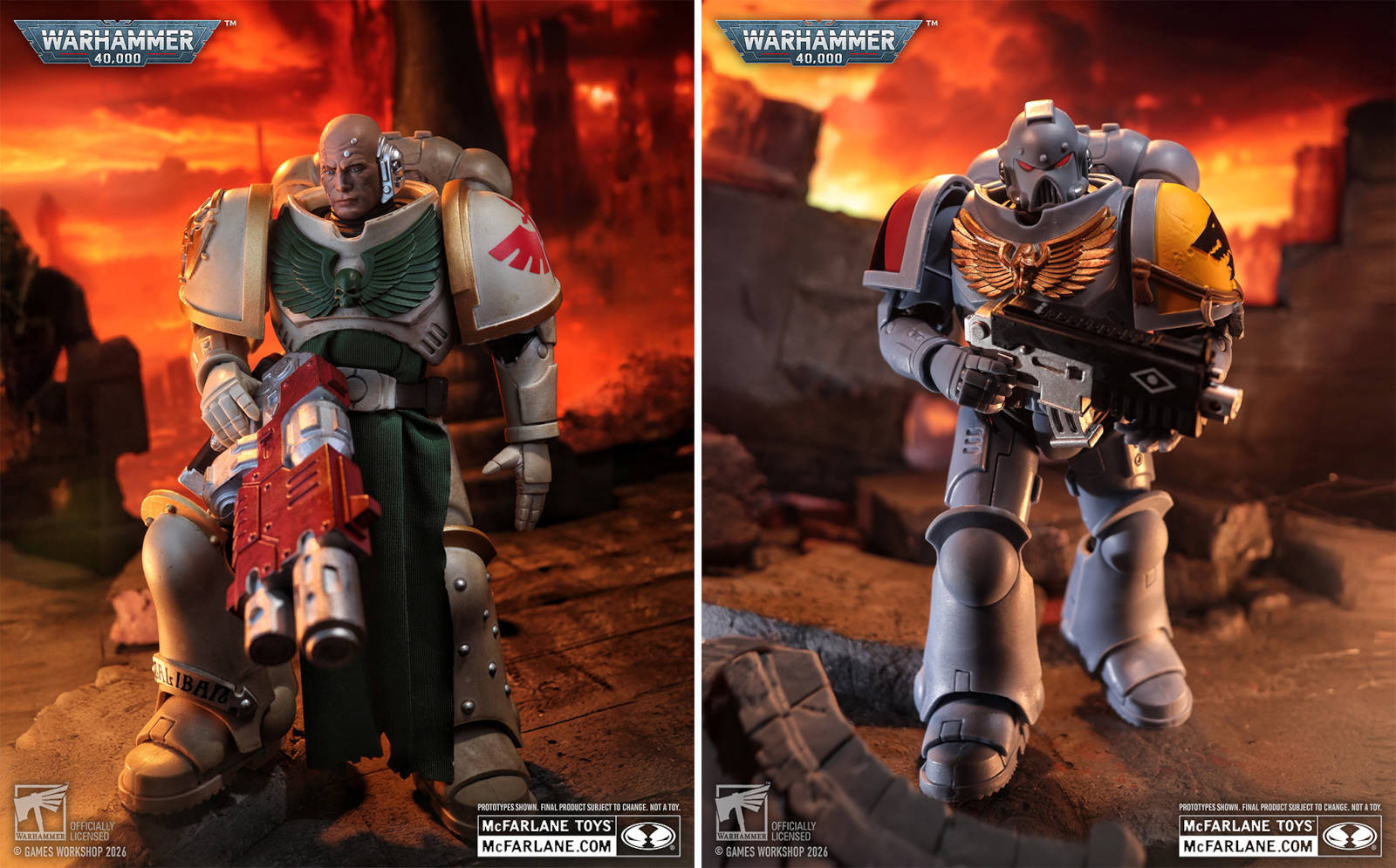
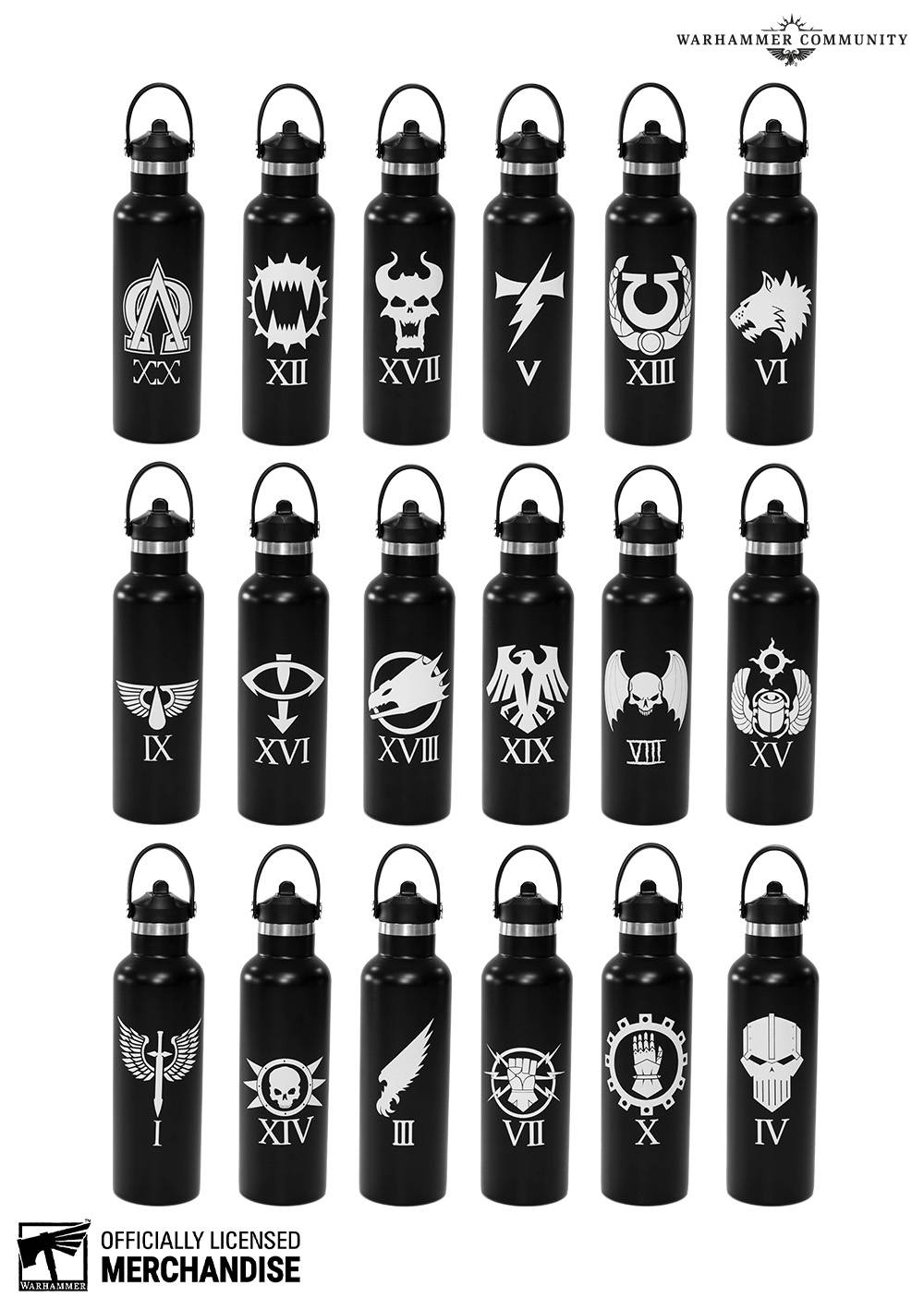
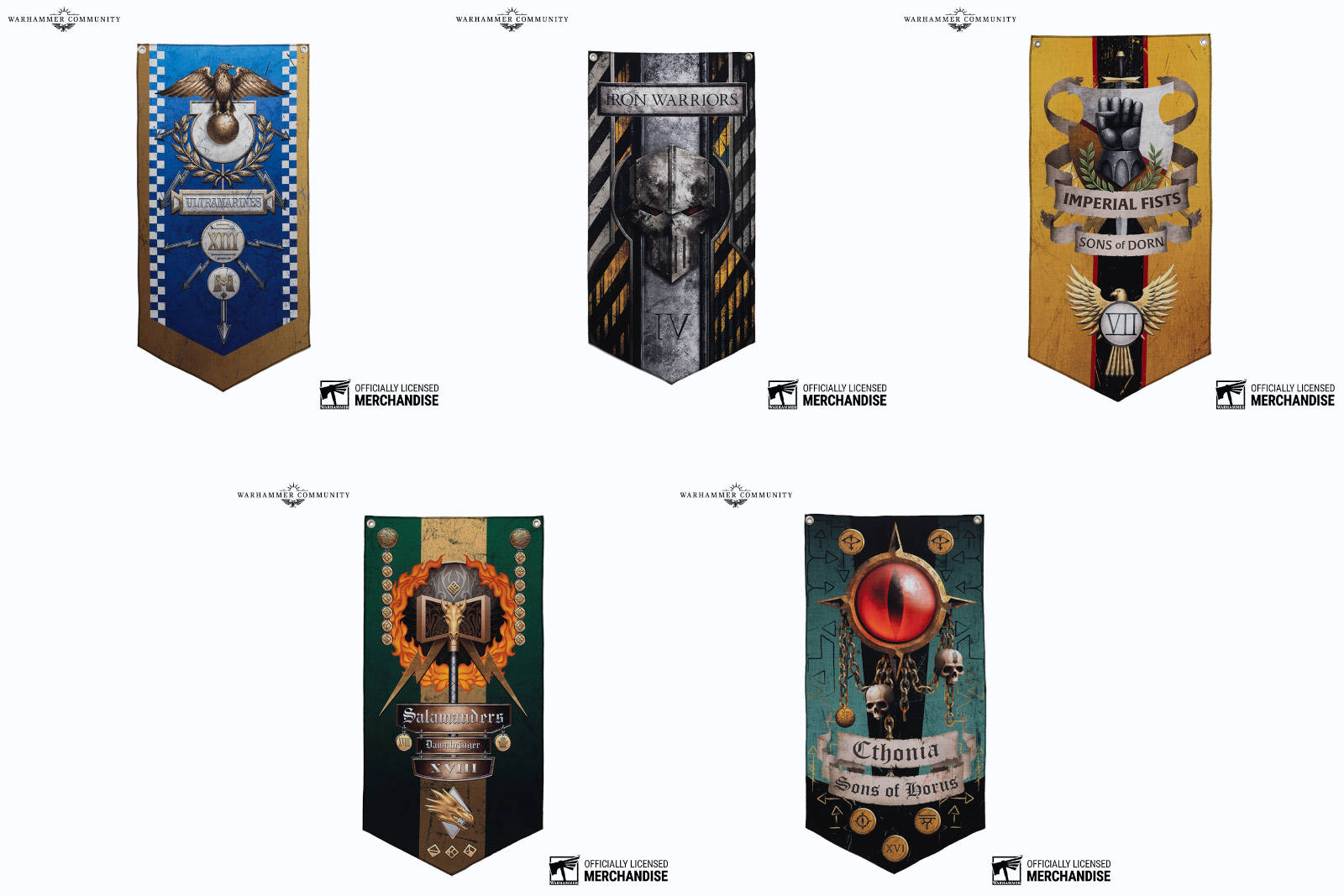
Preorders for the new line open on March 19, and the centerpiece is a set of sculpted figures tied to the RTS: Captain Cyrus and a Rearguard Veteran from the Blood Angels, plus a Gray Hunter from the Space Wolves. Alongside the figures are legion water flasks, banners, and Displate posters celebrating the setting of Necromunda.
The merchandising is explicit about price tiers. Official Games Workshop water flasks are listed at €31.95 (2,907 рублей) each. Wall banners go for €39.95 (3,635 рублей), while the Necromunda-themed Displate metal prints are priced at €49.99 (4,548 рублей).
This is more than a toy drop
On the surface, it’s a predictable line of branded goods. Look closer and it’s a coordinated attempt to seed the Dawn of War IV brand across hobby and collector communities long before the pixels arrive. Figures appeal to display-minded fans; Displate posters and banners speak to gamers who want their living spaces to echo the fiction. McFarlane brings the sculpting and collectible-market credibility; Games Workshop brings the IP and a fanbase that treats legion allegiance like sports fandom.
Dawn of War is a familiar name: the RTS series that launched in the mid-2000s made the tabletop universe feel urgent and playable on PC. The new title’s 2026 release gives Games Workshop a long runway to expand licensed products, and McFarlane’s figures are an obvious early play to monetize that runway.
Who benefits – and who pays
Collectors and hardcore Warhammer fans win: official, high-detail figures and themed décor are exactly the sort of merchandise that commands attention and resale value. McFarlane and Games Workshop win too – licensed goods are a lower-cost, recurring revenue stream compared with developing and marketing a full game.
The drawback is for casual players and price-sensitive fans. The line is positioned at premium hobby prices – the figures and art aren’t impulse buys. That risks segmenting the audience: some will feel excluded from official swag unless they’re willing to pay collector rates.
There’s also a cultural cost: the more Games Workshop chases licensing dollars, the further some aspects of Warhammer move away from the tabletop communities that built its reputation. That can be deliberate – the company has been broadening where and how its IP appears – but fans who prefer small-run or community-driven merchandise should take note.
What to expect next
If the early McFarlane launch performs well, expect more staggered drops – limited editions, alternate paint schemes, display dioramas, and cross-promotional bundles around the game’s marketing peaks. Scalpers and resellers will likely follow; limited runs at premium prices are a proven recipe for aftermarket markup.
For now, the takeaway is simple: Dawn of War IV’s ecosystem is being built outside the game itself. The question that will matter later is whether the in-game experience justifies that ecosystem – or if the merch becomes the quieter, more lucrative story.