


Smartphone buyers are split between ultra-premium flagships that cost as much as a cheap plane ticket and dirt-cheap handsets you replace every two years. For Motorola, the smart move isn’t to try and out-Samsung Samsung – it’s to own the middle ground where price, practicality, and carrier presence still decide most purchases.
Recent launches – a new Razr Fold and a Signature model limited to overseas markets so far – make Motorola look like it’s flirting with the same prestige playbook as Samsung and Google. That’s tempting. But it’s also unnecessary, and probably expensive. Motorola’s real advantage is not in matching rivals on specs and AI polish; it’s in delivering useful features and aggressive pricing where a lot of customers still make their choice: carrier stores and big-box shelves.
Why value beats a spec war
High-end flagships are a promotional arms race: more megapixels, bigger sensors, AI-generated extras and dizzying price tags. These things get attention – and thin margins. Motorola doesn’t need that. It has a long, practical history in phones, a recognizable brand, and an existing distribution advantage in carrier stores and retailers where people comparison-shop in person.
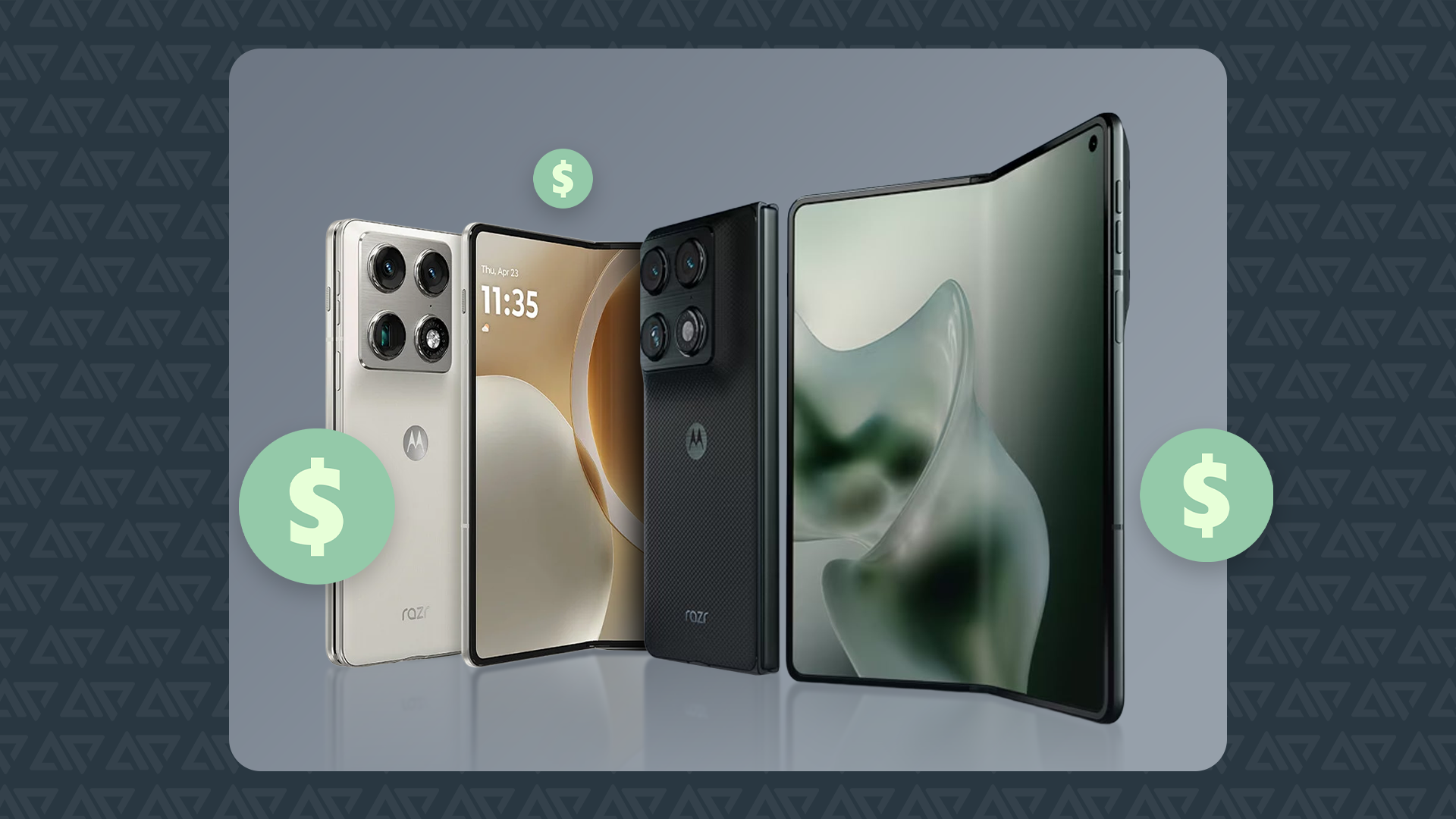
That matters because many buyers make trade-offs at the point of sale. When a shopper sees a Galaxy S26 Ultra with a six-figure price tag next to a Motorola that undercuts it by hundreds of dollars, they’ll often choose the phone that saves them money on the monthly plan. Motorola has won this play before – not by imitating Samsung’s flagship script, but by being the cheapest sensible alternative.
What Motorola already has going for it
Three strengths are underappreciated: a clean, usable software layer, useful hardware differentiators like stylus-capable models, and real retail visibility. A modest, responsive UI and a few thoughtful Moto Gestures are more durable selling points for many buyers than headline AI demos. Midrange devices that undercut flagship prices while delivering good battery life and dependable cameras are where Motorola can scale without burning margins.
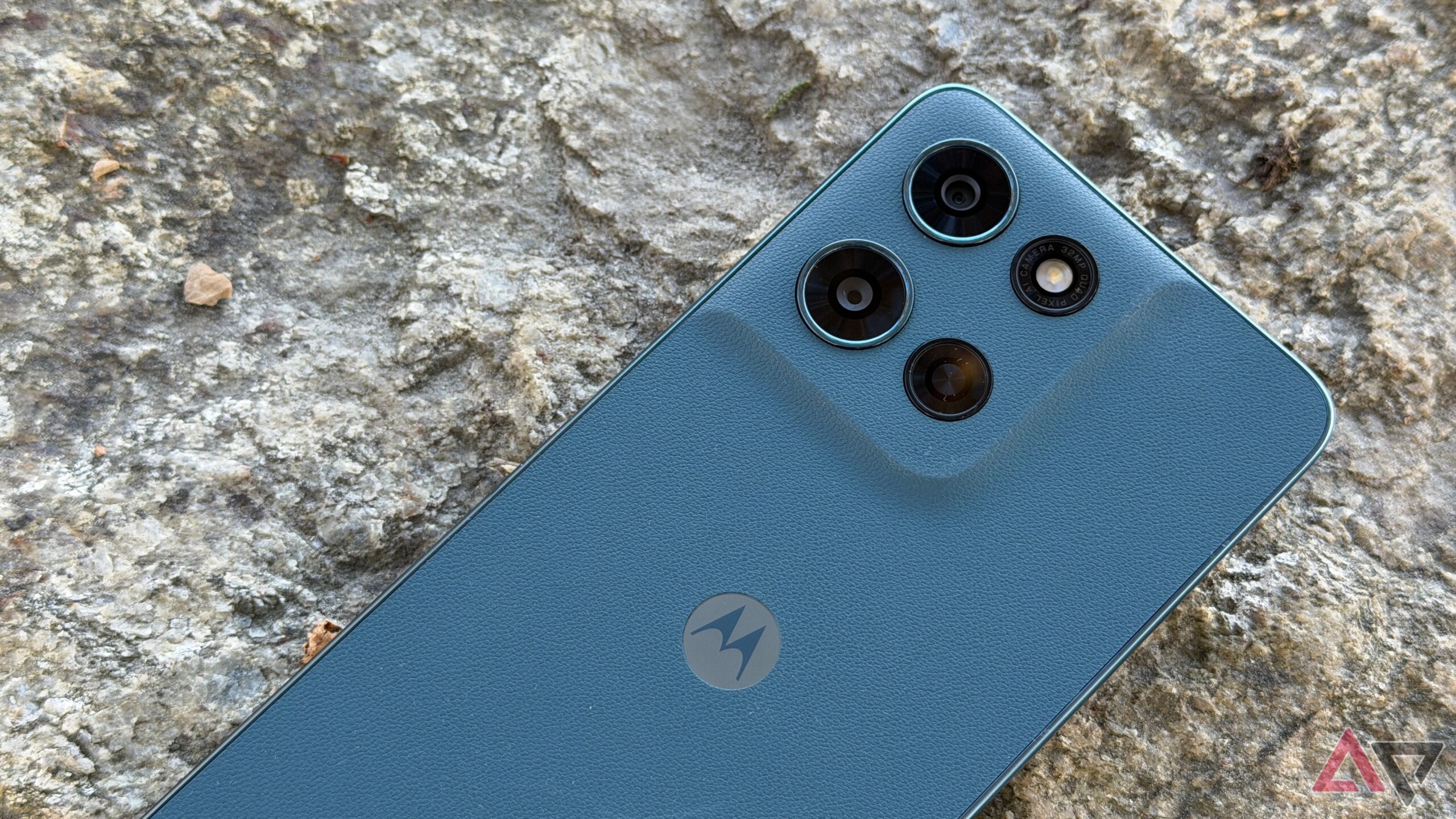
Examples: Moto G and G Play models have reappeared in everyday use, and carrier and retail placement means customers can touch and compare them. Stylus functionality in a lower-priced Moto G Stylus can replicate much of the utility of pricier S Pen phones at a fraction of the cost, which is precisely the kind of value proposition that converts shoppers on the spot.
What Motorola must stop doing
Two traps are tempting and should be avoided. First, chasing spec-for-spec parity with premium rivals at similar prices. OnePlus learned that lesson the hard way when premium pricing eroded its identity and appeal. Second, piling on marginal AI features that look impressive in marketing but rarely change daily use for most people.
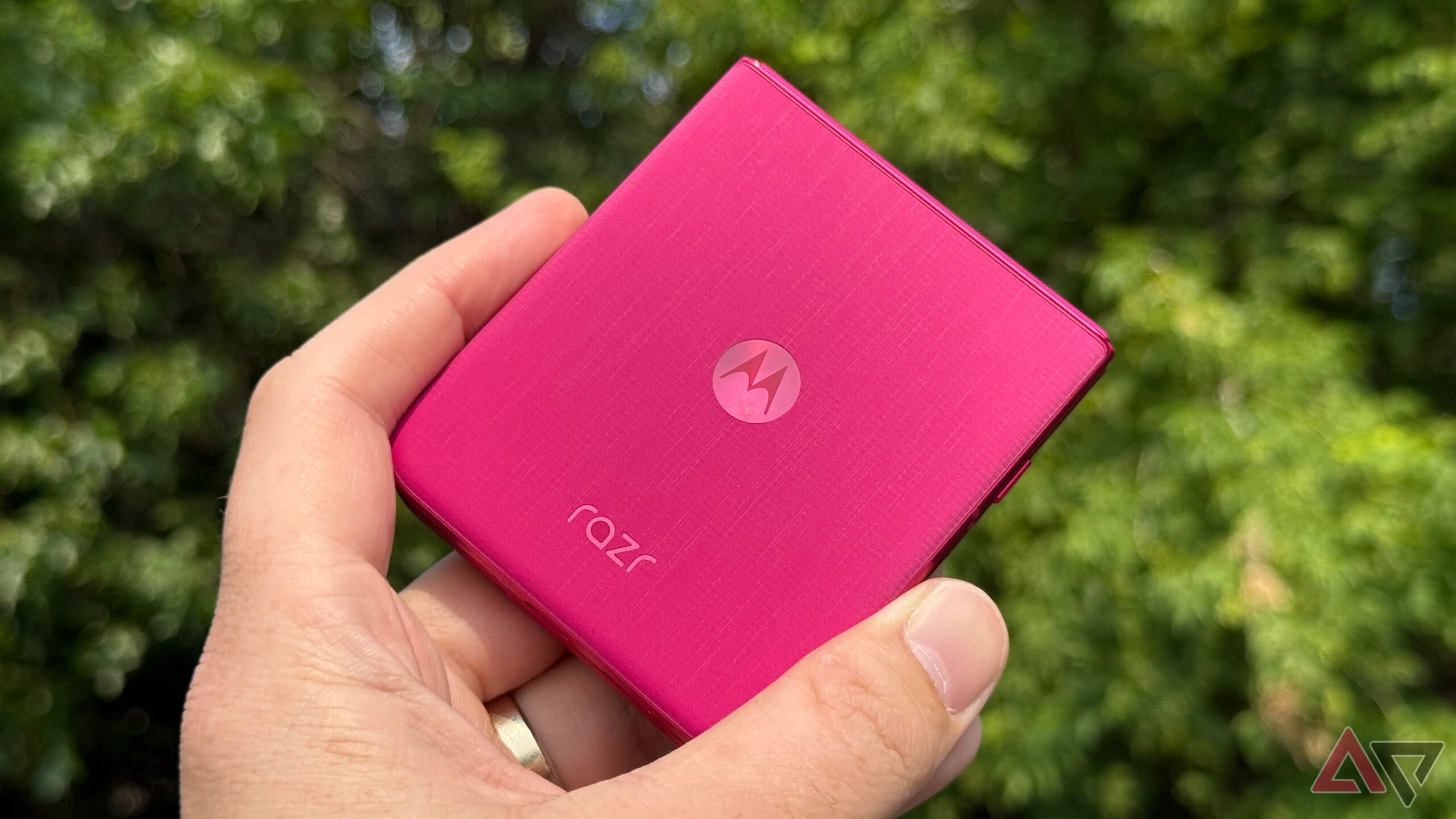
Instead, Motorola should prune bloatware, keep Hello UI lean, and let hardware do the talking: long battery life, decent cameras, robust build, and unique touches like reliable gestures or affordable stylus support. That’s a clearer, cheaper offer than trying to out-AI Samsung or out-polish Google.
How this plays out for the market
Motorola isn’t going to topple Samsung or Google next quarter. But the company can grow its share of mainstream buyers who care about price and availability more than the last 5% of camera polish or an extra AI editing mode. If Motorola leans into aggressive pricing, fewer gimmicks, and retailer presence, it can steadily erode higher-priced alternatives and protect its midrange stronghold.
There’s a risk: if Motorola stretches for prestige and launches expensive devices without undercutting the competition on price, it will blur its identity. Consumers already know what to expect from Motorola: practical, affordable, sometimes playful. That identity is an asset. Don’t dilute it.
Verdict and next moves
Motorola should make four clear choices for the coming year: prioritize midrange value, avoid a price-and-spec showdown with entrenched flagships, keep software light and useful, and push carrier and retail availability. If it does those things, Motorola won’t need to be the most aspirational brand – it only needs to be the most sensible choice for millions of buyers.
In short: stop trying to win on prestige. Double down on price, polish the essentials, and let the rest of the industry argue about megapixels and generative filters. Consumers already know how to do the math.