

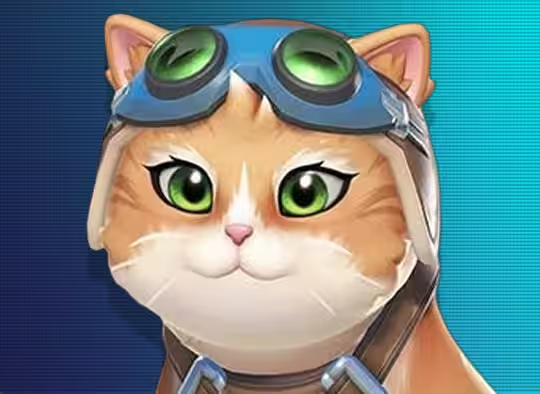
Live-service games don’t rest. They need tiny, shareable stories to keep players logging in between updates, and Blizzard has a reliable playbook for that: animated shorts that turn cosmetic drops into narrative beats. The latest installment explains how Brigitte, Overwatch’s melee support, built a jetpack for a cat named Fika – aka Jetpack Cat – and it tells you almost everything you need to know about why the studio invested in the little film.
The short is narrated by Brigitte’s voice actor, Matilda Smedius, and walks through the engineer’s design decisions: how to make a flight stick for a creature without opposable thumbs, how the harness should fit, and whether the jetpack should fire single projectiles or a swarm – delivered with the kind of light humor that makes a cosmetic feel like it has character. Blizzard also teases that more Jetpack Cat narrative will be rolled out inside Overwatch itself, and some upcoming skins will reportedly be inspired by developers’ own pets.
Why this matters
On the surface it’s a cute origin story. Under the hood it’s content engineering: a short that elevates a skin from a picture in a shop to something players care about. That matters because with much of modern multiplayer revenue tied to cosmetics and seasonal purchases, adding narrative friction – a story that makes an accessory feel unique – increases the odds players will buy in.
Blizzard has been doing this for years. Overwatch’s cinematic shorts are a core part of its brand identity, used to introduce characters, tease events and occasionally steer conversation back to the game. The Jetpack Cat vignette is smaller than the plot-heavy cinematics the studio used to launch heroes, but it plays the same role at a different scale: storytelling as product support.
This is an industry pattern, not a surprise
Riot Games and Epic have both leaned heavily into cinematic or event-driven storytelling to boost engagement. Riot’s music videos and champion trailers are essentially long-form ads that also build lore; Epic stages in-game events that create social moments around new content. The payoff is predictable: higher social reach, headline clips on feeds, and a brighter spotlight for whatever items the studio wants to sell.
Pet and companion cosmetics are an especially sticky category. They trade on emotional attachment without touching balance. Players who like the franchise’s aesthetic are easy targets for a clever narrative: give the pet a backstory, make it memeable, and you get free word-of-mouth. That’s why developers keep doing it.
Who wins, who loses
Winners: Blizzard (cheaper engagement than a major update), content creators (shorts supply clips and reaction fodder), and players who want more worldbuilding and cosmetic choices. Jetpack Cat gives streamers visual bits to riff on and provides a narrative hook for seasonal bundles.
Losers: players looking for substantive gameplay changes. A well-produced short can raise expectations for meaningful updates; when those expectations aren’t met, goodwill erodes. There’s also a risk that frequent micro-narratives dilute the weight of character storytelling, turning lore into a constant background marketing engine rather than a place for meaningful surprises.
What’s missing
Blizzard’s short answers the charming ”how” of the jetpack but not the ”why now.” The studio signals more in-game tie-ins are coming, yet it doesn’t commit to timing or mechanics. For players who track roadmap cadence, a cameo short without a matched season or event can feel like a tease rather than community investment.
What to expect next
Expect the usual follow-ups: Jetpack Cat skins in a seasonal shop, a few themed challenges or a limited-time event, and clips pushed across social channels. If the short performs well on streams and in social analytics, this will become a template – smaller narrative pieces that exist primarily to animate cosmetic drops.
Longer term, Blizzard faces a balancing act. These micro-stories are effective at driving attention, but they can’t substitute for the updates that keep competitive players engaged. The safer bet for Blizzard is to pair charm-driven content with clear gameplay milestones; otherwise the studio risks turning its cinematic muscle into a perpetual teaser engine.
Call it what you will – cute, clever marketing, or both – Jetpack Cat is a neat piece of creative merchandising. It won’t change how Overwatch plays, but it will probably sell a lot of tiny, adorable rocket packs.