

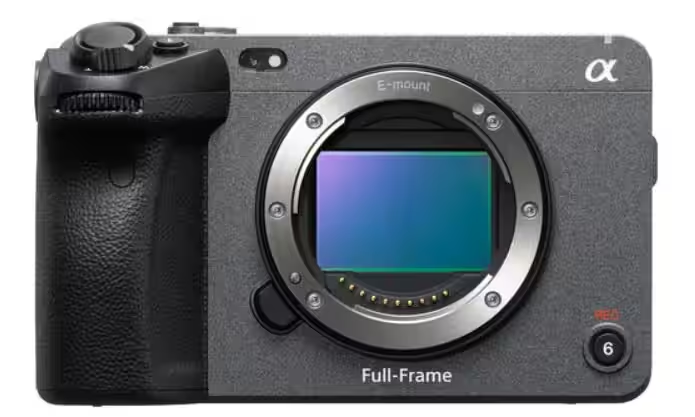
Filmmakers have been asking for higher internal frame rates and cleaner low-light video for years. Sony’s latest sensor rumor suggests the company is answering with fewer megapixels and faster readout, not a megapixel race – and that shift could matter more than it sounds.
The rumor in plain terms
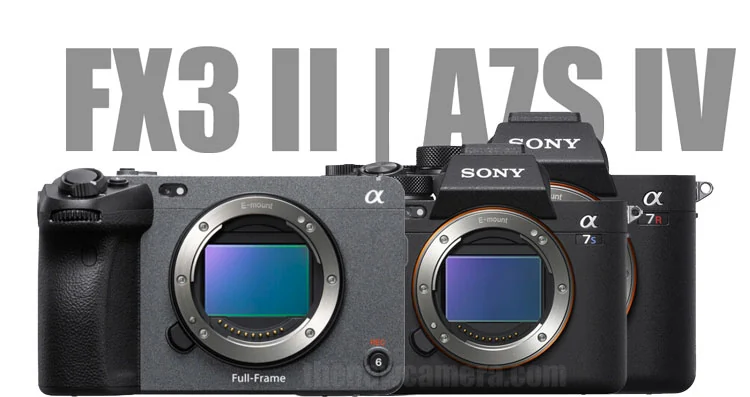
A report circulating from industry tipsters says Sony is testing a 16-megapixel partially stacked CMOS sensor tailored for video work. Key specs being talked about: oversampling from nearly 5K down to 4K, readout speeds reportedly capable of up to 240 frames per second, 7.2μm pixels, full-pixel dual-phase detection autofocus, DCG-HDR support, and active stabilization with minimal crop. Timeline chatter pins a possible cinema-line update in Q2 2026, with an A7S IV potentially later in 2026 or early 2027. Price rumors place an FX3 II around $3,500-$4,000 and an A7S IV near $3,000.
Why a 16MP sensor matters – and why Sony would choose this path
Less is not always worse. The A7S family has long been built on a premise: fewer, larger pixels deliver cleaner high-ISO performance for video. A 16-megapixel full-frame sensor with 7.2μm pixels would keep that philosophy but add modern speed tricks. Moving some analog-to-digital circuitry beneath the photodiodes – the so-called partially stacked architecture – accelerates readout compared with traditional backside-illuminated designs while avoiding the cost and complexity of a fully stacked sensor.
Faster readout reduces rolling shutter and lets cameras move into genuinely high-frame-rate 4K modes without the compromises of heavy cropping or external recorders. If the 4K 240fps claim holds for at least some modes, it would open slow-motion options that currently require specialty gear or severe trade-offs.
Context: the sensor arms race, and where this fits
Sony already uses fully stacked sensors in flagship cameras such as the A1 to achieve blistering readout and burst rates. The partially stacked approach is a middle ground: retain many speed benefits while keeping costs and manufacturing complexity down. That strategy makes sense if Sony wants to outfit both cinema-style bodies and more affordable hybrid models without pricing themselves out of pro-roster budgets.
Across the market, camera makers are juggling three competing demands: resolution for stills, dynamic range and low-light performance for video, and internal recording frame rates and codecs. Historically, Sony’s A7S line chose the video side of that trade-off. Competitors such as Canon and Panasonic have their own approaches – Canon pushing high megapixel sensors and external workflows for cinema, Panasonic targeting sustained heat management and video-first features – but none have matched Sony’s sensor business scale, which lets Sony iterate more aggressively.
What to be skeptical about
Rumors often compress technical realities into neat headlines. Several practical constraints could blunt the impact of a 4K 240fps mode: thermal limits in small bodies, enormous sustained data rates that demand fast media and efficient codecs, and power draw that shortens run times. Sony’s claim of ”active stabilization with minimal crop” at very high frame rates would be an impressive engineering feat – but one to verify, because stabilization and high-resolution oversampling fight each other for sensor readout and processor headroom.
Expect compromises. True 4K 240fps for long takes would likely be limited to shorter bursts, reduced bit-depth, or specific frame-size windows rather than a full-resolution, unlimited record mode. Whether that still serves filmmakers better than existing options depends on codec choices and whether Sony can sustain the data without overheating.
Who wins, who loses
Winners: low-light shooters and hybrid creators who prioritize internal slow motion over megapixel counts. If Sony delivers cleaner 4K slow motion without external recorders, it tightens its grip on cine-hybrid users.
Losers: photographers who wanted higher megapixels for cropping and large prints. Also, rival manufacturers who rely on higher megapixel marketing will need to counter with either better readout tech or niche features to keep pros from switching.
What happens next
If the part clears testing, expect an official cinema-line announcement possibly around Q2 2026 with follow-ups for consumer hybrid models later in the year. Pricing chatter suggests Sony knows this will appeal to pros and will price accordingly: $3,500-$4,000 for an FX3 II and roughly $3,000 for an A7S IV were the numbers being circulated.
Either way, the rumor signals a larger shift: the camera industry is moving past pixel-count marketing toward practical video performance metrics such as readout speed, pixel size, and on-sensor processing. That is overdue for anyone who shoots a lot of video, but whether the engineering lives up to the talk is the only thing that will matter to working shooters.
I’ll be watching the Q2 product cycle closely. If Sony ships a 16-megapixel, partially stacked sensor with the kinds of speeds being talked about, it won’t just be a new sensor – it will be a clear statement about what pro mirrorless is for in 2026.
Reported details are sourced from industry tipsters and early testing chatter; treat them as plausible prototypes rather than finished specs.
Industry reports