

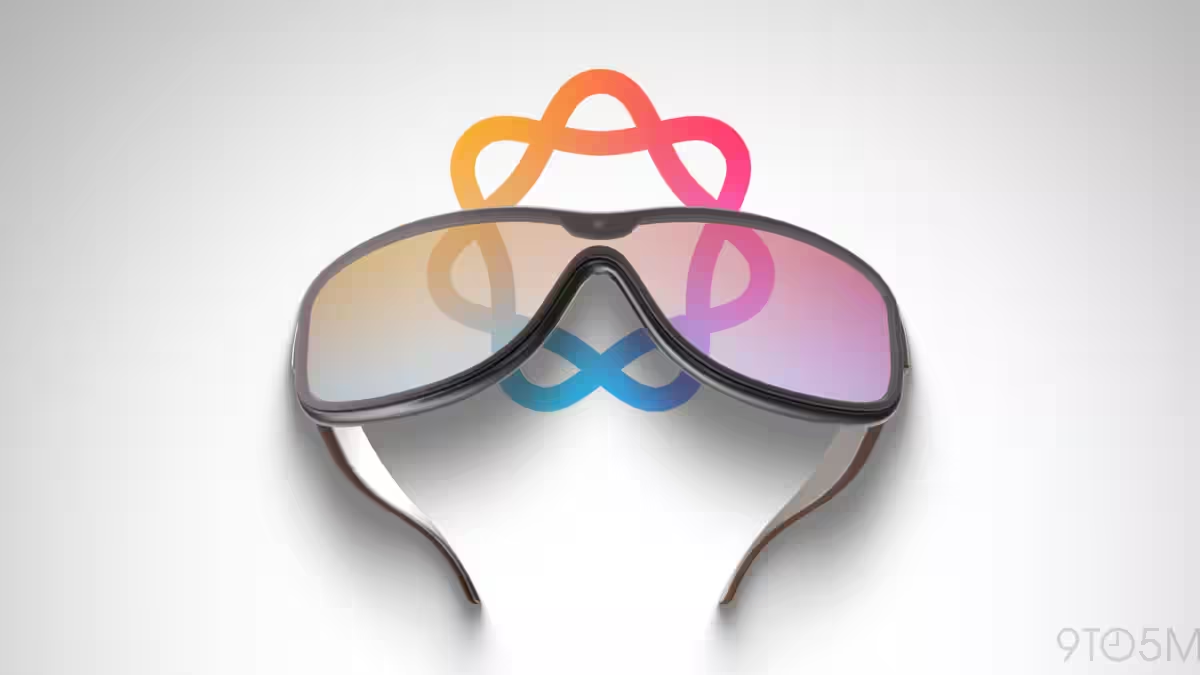
Imagine issuing voice commands while standing in a crowded cafe – without making a sound. That’s the premise behind Apple’s next push into wearable AI: shrink the assistant down to your frames and teach it to read whispers and tiny facial movements. If it works, the company won’t just compete on design and integration. It will change what people accept as a usable, private voice interface.
The news, boiled down
Bloomberg reported that Apple is accelerating work on three AI wearables: smart glasses, a pendant, and AirPods with cameras. Public reporting on the glasses describes a pair with two camera lenses – one tuned for computer vision and another for photos and video – and engineers who have managed to place the necessary components inside the frame instead of relying on an external battery.
Separately, reports say Apple bought a startup called Q.ai for $2 billion; that company reportedly focused on machine learning systems able to interpret silent speech and micro facial movements. Combine those pieces and you get the pitch: a premium pair of smart glasses that can understand whispered or even inaudible commands.
Why this matters more than another camera on your face
Voice assistants improved with every hardware refresh, but they still force an awkward trade-off: speak loudly and you get reliable recognition; stay quiet and the assistant is useless. That limitation has shaped how people use – or ignore – assistant features. Apple betting on silent-speech tech is an attempt to make voice natural in places where talking out loud is inappropriate.
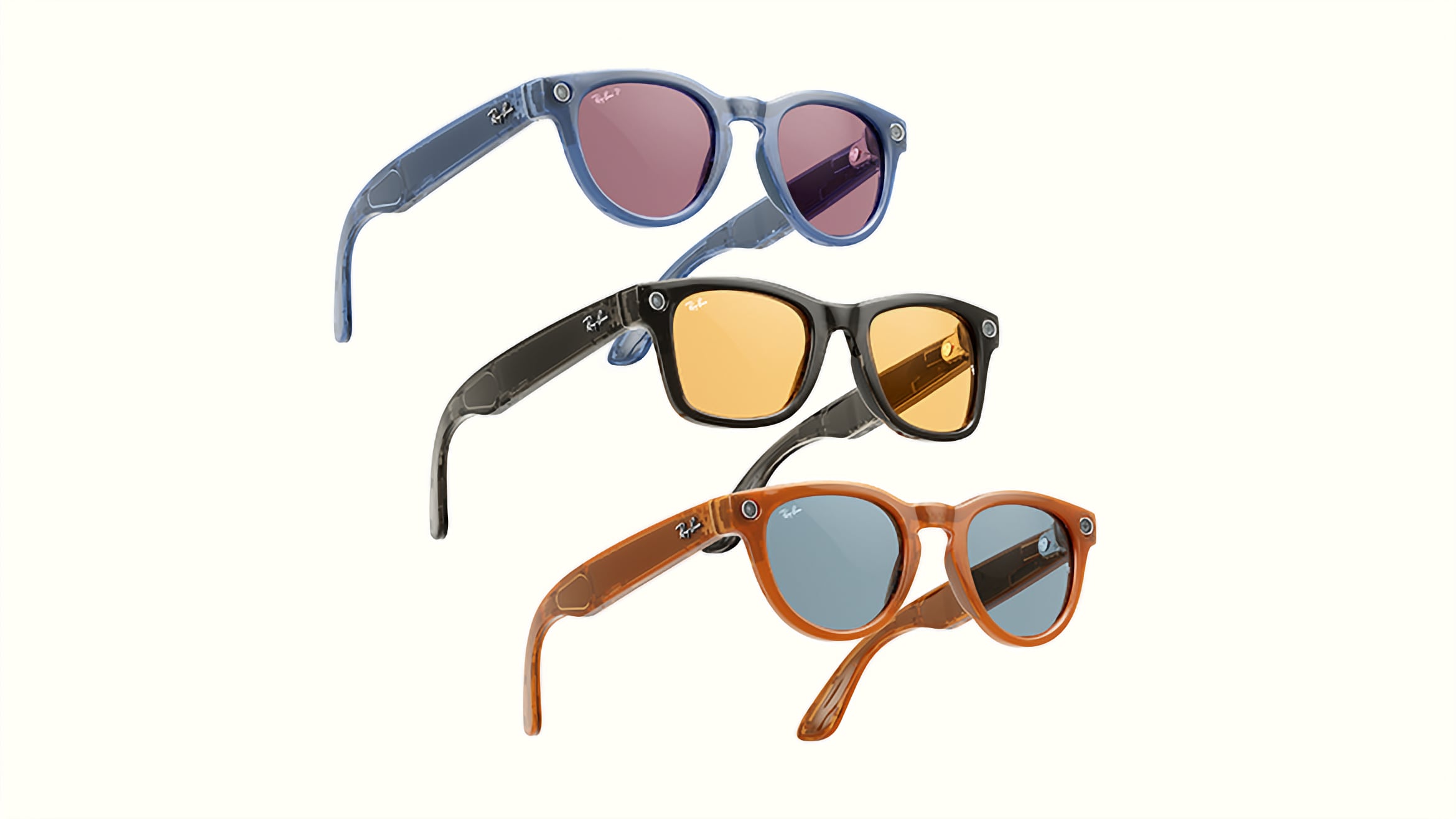
It’s also a strategic play. Meta’s Ray-Ban smart glasses – which shipped in late 2023 – proved there’s demand for camera-equipped eyewear, even with privacy questions hanging over them. Apple can’t win on price against cheaper alternatives, but it can attempt to win on accuracy, frictionless integration with iPhones, and a narrative that this is a productivity tool rather than a fashion accessory.
What history and competitors tell us
This isn’t uncharted ground. Google Glass collapsed in part because the product ran up against social friction – people resented being recorded – and technical limits made the use cases narrow. More recent offerings, like Meta’s camera glasses and Snap’s Spectacles, have found niche followings but haven’t gone mainstream.
On the technical side, researchers have explored silent-speech interfaces for years: camera-based lip reading, electromyography (EMG) sensors that detect muscle signals, and models that interpret micro-expressions. Each approach carries trade-offs – accuracy, requirement for per-user calibration, sensitivity to lighting and movement, and bias across different faces and accents.
Practical constraints are also stubborn. Packing cameras, microphones, a neural compute engine, battery, and thermal management into a light, stylish frame is hard. Apple’s engineers have long chased that fit-and-finish balance; pushing more compute into frames raises questions about battery life, heat, and cost.
The privacy and regulatory wrinkle
Camera-equipped glasses already trigger pushback. Venues and individuals worry about covert recording. Adding silent-speech capabilities changes the conversation: a device that can ’hear’ you without an audible cue amplifies surveillance anxieties. Expect privacy groups and some regulators to scrutinize defaults, on-device processing, and data-retention practices.
Apple’s strengths here matter: it controls hardware, OS, and an installed base predisposed to trust the company more than other big tech firms. But trust isn’t the same as policy. Product defaults (is processing on-device or sent to the cloud?), indicators (how does someone nearby know a recording is happening?), and developer rules will determine whether these glasses are adopted or restricted.
Who wins and who loses
Winners: Apple if the company delivers accurate, private silent-speech recognition in an attractive package. Developers who build genuinely useful, hands-free features could also benefit. High-end accessory and hearing-aid adjacent markets stand to gain from a premium device that blends assistance and audio.
Losers: cheaper makers that compete only on price, because Apple will double down on integration and accuracy rather than cost. Privacy advocates and venues worried about recording will push back. And if the silent-speech models are brittle or biased, users who speak with accents or have atypical facial movements could be left with a worse experience.
How this could play out
Best case: Apple nails on-device silent-speech, ships a polished product within the next year, and people adopt voice in everyday situations they previously avoided. The assistant becomes a private, personal layer rather than a public performance.
Mid case: the glasses arrive with useful features – good computer vision, solid photo/video capture, and improved voice recognition for whispers – but silent-speech is an opt-in, experimental mode that requires training and still fails in noisy or dynamic conditions. Apple keeps iterating and the market slowly grows.
Worst case: silent-speech underdelivers, or privacy concerns stall adoption. The product becomes a high-priced niche item that echoes past hardware experiments rather than starting a new platform wave.
The bottom line
Whether Apple’s glasses matter won’t be decided by cameras alone. It will come down to whether silent-speech works reliably, whether Apple builds transparent privacy defaults, and whether consumers accept a new kind of voice interface. If those boxes are checked, the company could finally make voice assistants feel like something you can-and want to-use without speaking out loud.