


Big narrative studios don’t often try to make you whisper. They make you argue, mourn, and choose your way through moral minefields – not crouch and inch past an unseen predator. That’s the risk Don’t Nod is taking with Aphelion: a story-led studio leaning into relentless stealth and an invincible hunter that can only be avoided, not defeated.
Aphelion is set on Persephone, a newly discovered ninth planet, in the 2060s. Don’t Nod sent two European Space Agency astronauts – Ariane and Thomas – to investigate, and the game will span 11 chapters. The early preview covered only the first and fourth chapters, but the framing is clear: this is sci‑fi with a heavy survival‑stealth coating.
The game mixes two familiar tones: the melancholy, environmental dread of Interstellar-style futures and the claustrophobic, prey‑on‑a‑spacecraft terror of Alien. What makes Aphelion notable is how it binds Don’t Nod’s narrative instincts to a single mechanical premise: an enemy that tracks by sound and, crucially, cannot be killed.
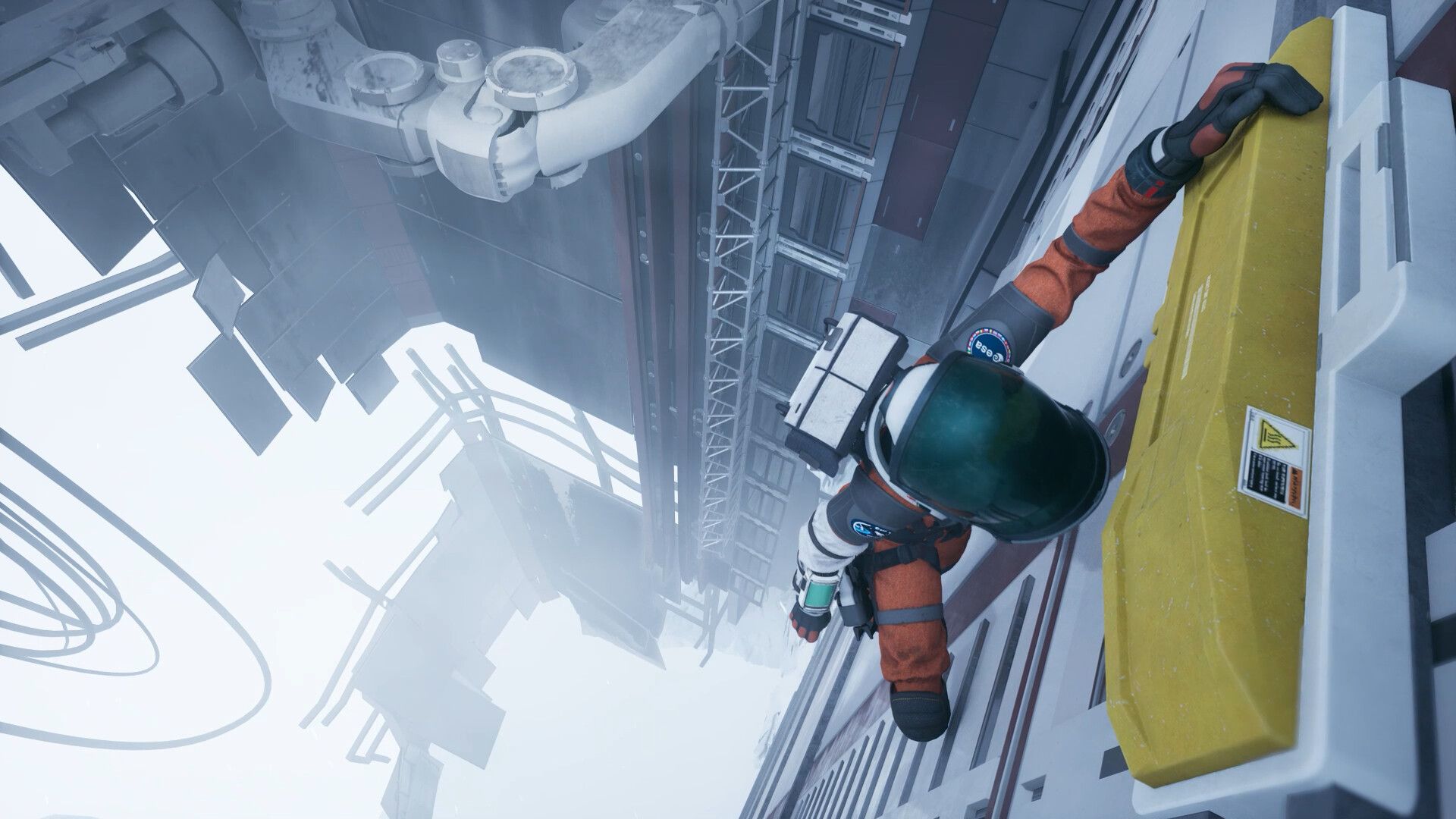
When the creature – listed in menus as the Nemesis – is near, Aphelion turns into a stealth game. Crouch to move slowly, avoid sprinting, don’t slip during climbs, and for the love of all devs, don’t make noise. Death is blunt and immediate: the game tells you exactly how you died. There was no way to harm the beast in the preview build I played; it hunts, finds, and kills.

Don’t Nod also tacked a small but welcome twist onto basic traversal. Climbing is not a single button auto-grab: you press A to jump, then A again to grab the next handhold. It’s a simple two‑step rhythm that turns routine climbing into moments of tension – because one mistimed input can be as fatal as a bad sprint near the Nemesis.
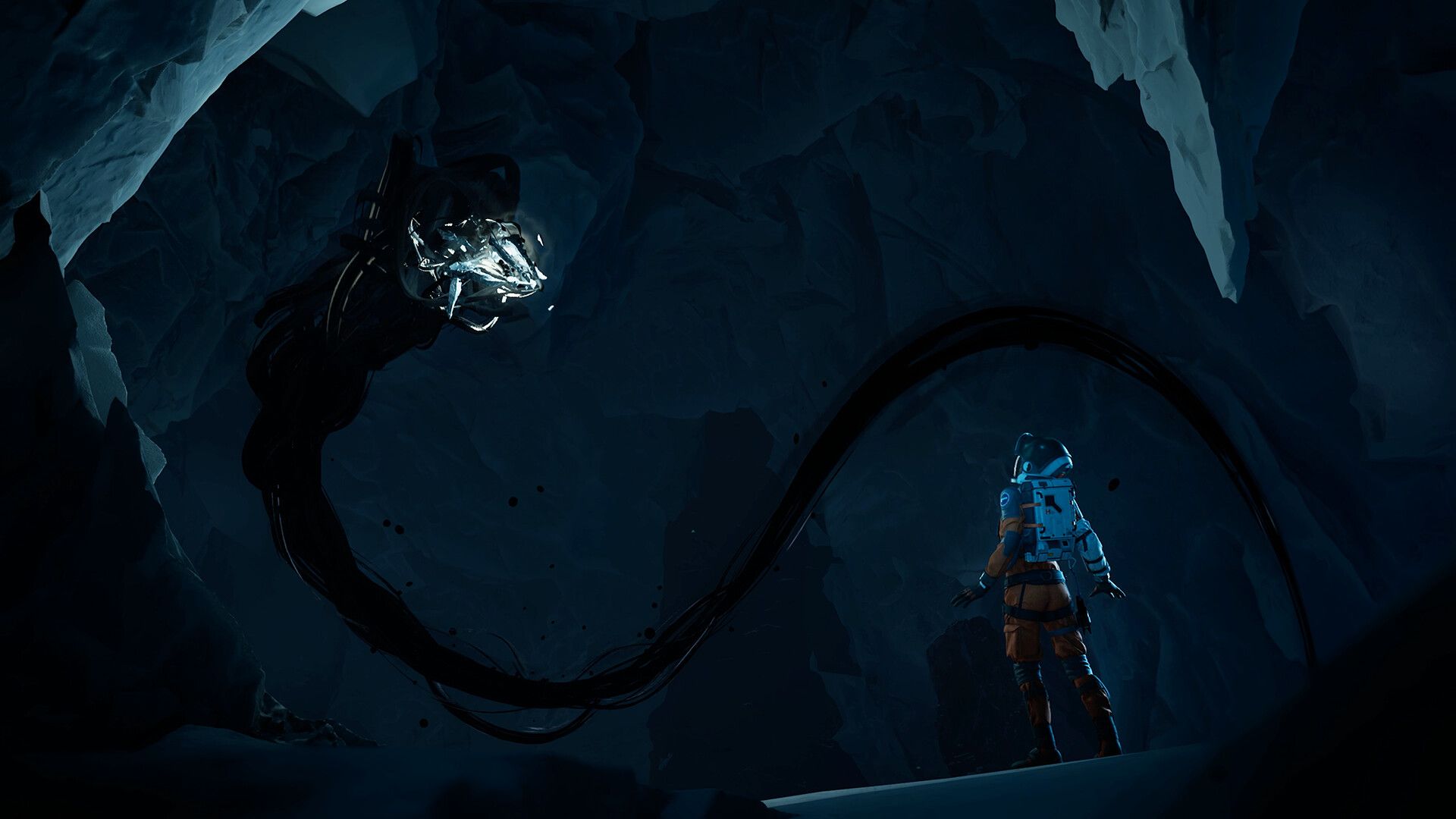
There’s historical precedent for this exact setup. Alien: Isolation (2014) perfected the ”unstoppable AI” predator and made paranoia into gameplay. It’s not a coincidence Aphelion evokes that comparison: an unkillable antagonist forces designers to wring suspense out of environment, sound, and player choice instead of combat depth. Successfully pulled off, that creates memorably tense play. Done badly, it becomes repetitive and punishing.
Aphelion launches in spring 2026 for PlayStation 5, Windows PC, and Xbox Series X, and will be available on Xbox Game Pass at day one. That distribution decision matters more than it might first appear: putting an atmospheric, story-forward survival title on Game Pass guarantees many more players will try the gamble than a boxed release alone would.
Who benefits? Don’t Nod, if the core stealth loops land, gains a much larger, potentially mainstream audience for a game that might otherwise be a niche survival horror. Xbox/Game Pass benefits by adding another exclusive-feeling-window title to its catalog. Players who prefer measured tension over twitch combat stand to gain fresh, narrative‑driven scares.
Who loses? Fans who pick Don’t Nod for branching dialogue and slow-burn characterization may find an invincible hunter’s binary failure states frustrating. Studios that rely on combat‑led pacing could struggle to translate their strengths into a squeeze‑and‑wait stealth environment. And if the Nemesis AI doesn’t feel fair – not just scary – the game risks becoming an exercise in repetition rather than dread.
There are three things to watch when Aphelion ships. First: enemy design. The Nemesis must feel intelligent and varied, not like a proximity trigger with a stopwatch. Second: pacing. Eleven chapters promise narrative breadth; the stealth encounters need to be spaced and varied so the tension doesn’t calcify into annoyance. Third: player agency. If there are no meaningful ways to manipulate the environment or create alternate approaches to encounters, the ”you must not be heard” rule will tire players fast.
This is also an experiment in tone for Don’t Nod. The studio has shown it can craft empathetic characters and cinematic beats in disparate settings – from postwar London to mountain climbs. Applying that craft to a stealth horror framework is a smart risk. If Aphelion marries its story ambitions to consistently fair, inventive stealth, it could be the sort of genre hybrid that pulls players who usually avoid survival horror into something suspenseful and affecting.
If it fails, the lesson will be familiar: narrative tools alone don’t fix mechanical gaffes. Players will forgive a clunky story if the gameplay is tight; they rarely forgive the reverse. Don’t Nod is betting its storytelling reputation on tension and restraint. That bet makes Aphelion one of the more interesting plays in next spring’s release calendar.
Aphelion arrives spring 2026.