

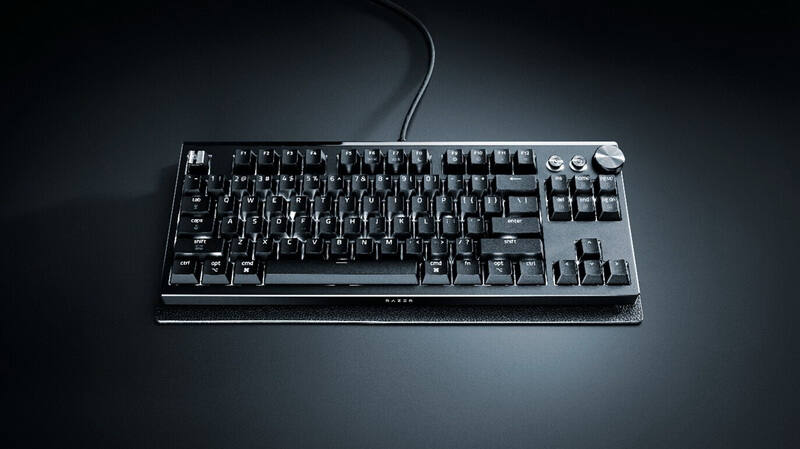
There’s a new ritual in PC gaming: spend as much on a keyboard as you would on a decent laptop. Razer’s Huntsman Signature Edition, a $499.99 limited-ish take on the Huntsman V3 Pro, proves the trend – this is less about shaving milliseconds off your reaction than selling a luxury object for your desk.
Razer is asking $499.99 for the Huntsman Signature Edition, which is currently available only through the company’s online store. On paper it’s still the Huntsman V3 Pro under the hood: Razer Gen 2 analog optical switches, support for an 8000 Hz polling rate (when wired), adjustable actuation points, Rapid Trigger, Snap Tap and SOCD functionality, plus an analog input intended for racing sims.
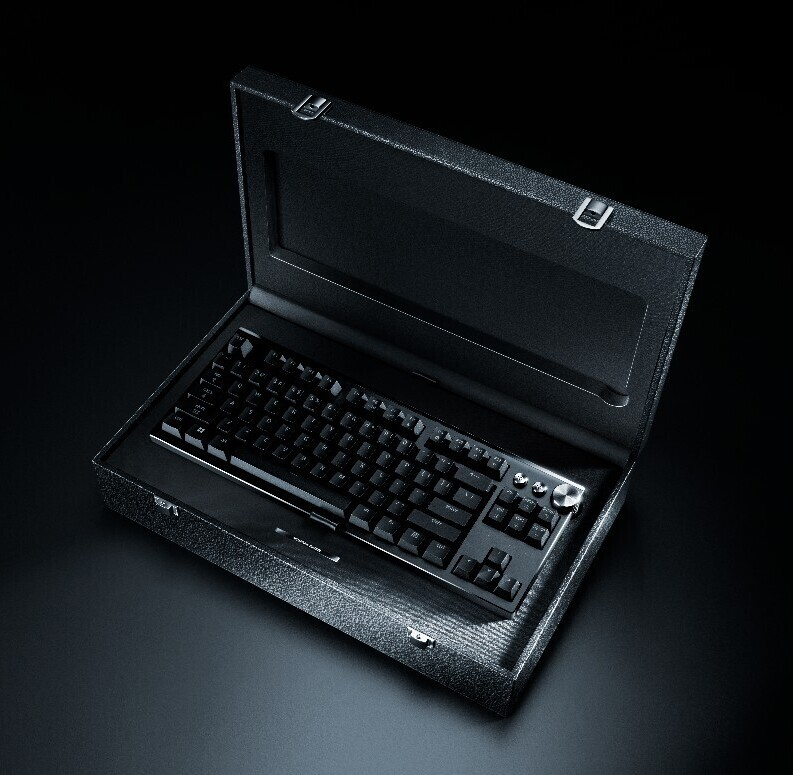
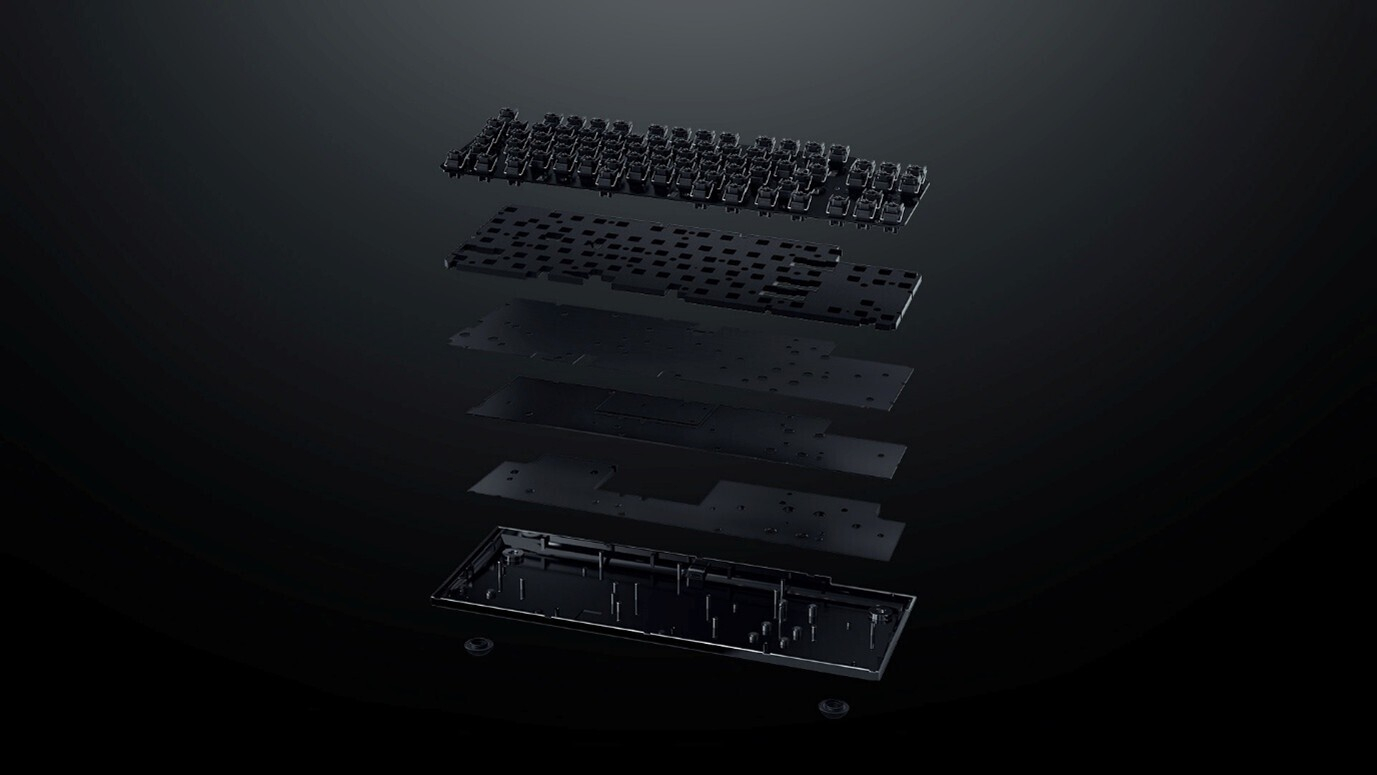
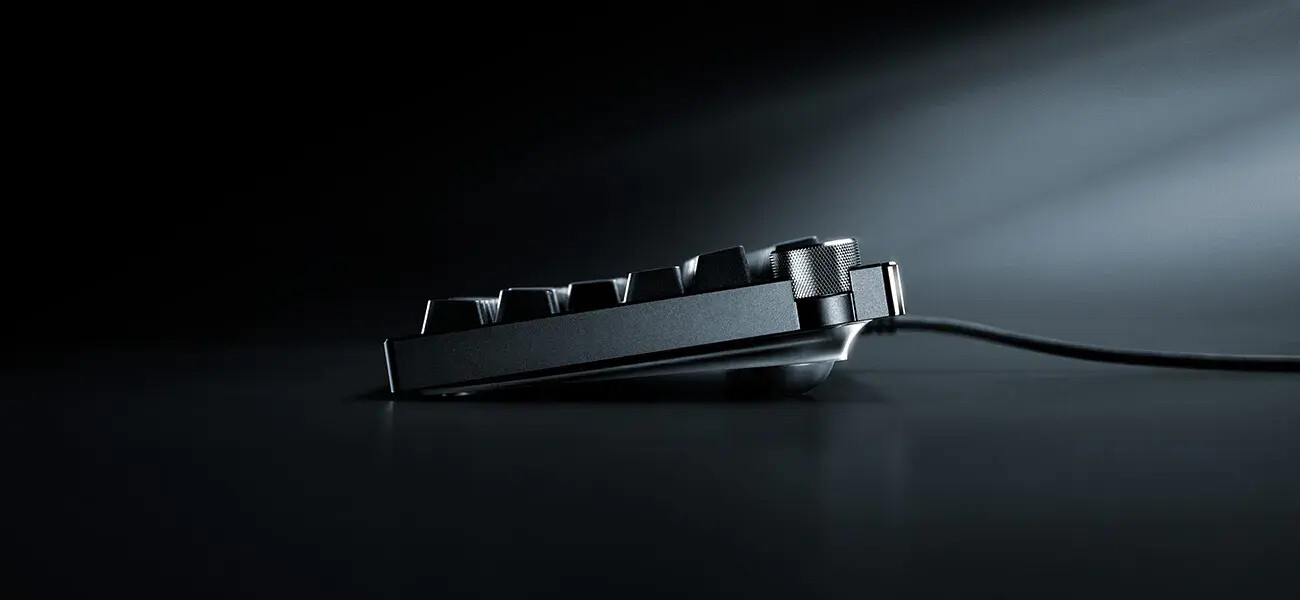
The hardware changes are what justify the price. Razer swapped the usual plastic shell for CNC-machined aluminum 6063 for both the top plate and the base, finished with a mirror PVD panel on the back. Keycaps are glossy double-shot PBT and the board keeps full RGB. What you’re buying is weight, finish and a ”signature” aesthetic – not a new switch or unseen performance leap.
”The Huntsman Signature Edition trades the budget cues of the V3 Pro for a cleaner, more custom look,” reads coverage from Tom’s Hardware in the wider reporting on this launch.
Tom’s Hardware
So who wins here? Razer does. The company gets to repackage an existing, successful platform and push margins by leaning into premium materials and design. The likely buyers are enthusiasts who want a desk centerpiece, streamers and collectors who prize brand-backed limited editions, and anyone who values fit-and-finish over marginal input improvements.
Who loses? Buyers who expect steep performance returns for the price. The Gen 2 analog optical switches and 8000 Hz polling are already available on the standard Huntsman V3 Pro; the Signature Edition’s aluminum shell and PVD rear are cosmetic and tactile upgrades, not latency improvements. Competitive players who care only about raw input fidelity will find little here they don’t already get for less.
A bigger trend, not an isolated product
Razer’s move fits a broader strategy across PC peripherals: take proven performance platforms, add premium materials or limited-run finishes, and price them more like lifestyle products than gaming gear. The keyboard market has bifurcated into inexpensive, functional boards and boutique, high-margin pieces aimed at enthusiasts. This Huntsman sits squarely in the latter camp.
There’s also a practical tension: features such as Snap Tap and SOCD are handy for quick, complex inputs, but competitive organizers and tournaments commonly ban macros and SOCD-like aids because they offer an uneven advantage. Including them on a $500 board highlights the squeeze between consumer convenience and fair competition.
What’s missing from Razer’s pitch
Razer leans into build quality but leaves a few obvious holes. The Signature Edition drops the two-stage height adjustment found on the regular V3 Pro – an odd tradeoff for a keyboard that’s meant to be premium. And while the 8000 Hz polling rate is mentioned, that top-tier performance is limited to wired mode, a detail buyers who expect flawless wireless parity should note.
The analog input for racing sims is an interesting inclusion, but it underlines the niche appeal: it won’t matter to most players, and only a subset of sim racers will value an analog-enabled keyboard over a dedicated wheel or controller.
Verdict and outlook
If you want a heavy, shiny keyboard with a designer finish and you have $499.99 to burn, the Huntsman Signature Edition is a coherent product. If you want better in-game performance for a lower price, the standard Huntsman V3 Pro or other high-performance boards will likely give you the same input characteristics without the premium shell.
Expect more of these moves. Premium finishes are an easy way for peripheral makers to extract higher margins from a passionate customer base. The downside is a cluttered market where material and branding matter more than underlying input tech – which, for many gamers, is exactly the point.