

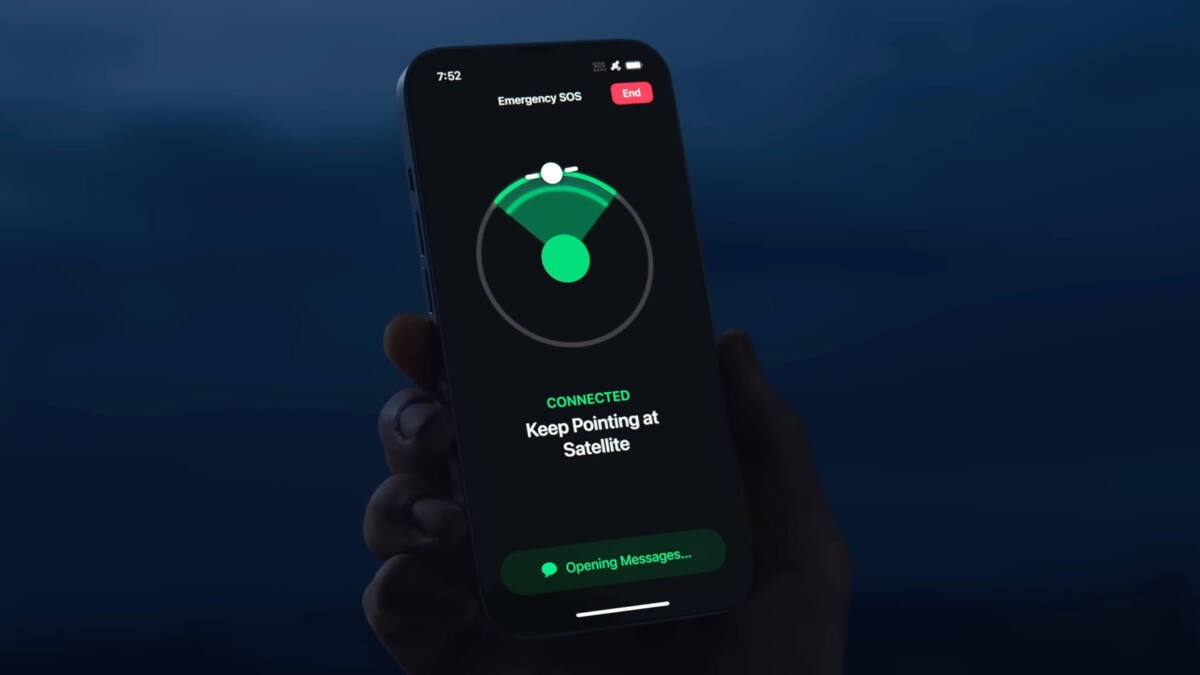
An avalanche near Lake Tahoe this week underlined a simple fact: satellite connectivity is no longer a niche add‑on for backcountry specialists. Survivors used Emergency SOS via satellite on their iPhones and Apple Watches to stay in contact with rescuers for hours, helping coordinate relief while crews searched the mountain.
The New York Times reported that survivors were able to communicate with first responders and share information that guided which rescues could proceed. That pattern is now familiar – Apple’s built‑in satellite tools have been credited with multiple life‑saving rescues since the feature arrived on iPhone 14‑series devices.
What the technology actually does
Emergency SOS via satellite is available on iPhone 14 or later and the Apple Watch Ultra 3. When cellular and Wi‑Fi are unavailable, the system walks a user through a short questionnaire, then prompts them to point the device to establish a line‑of‑sight link to a satellite. The phone can also send iMessages and SMS over satellite and share location via Find My. Apple offers the feature free for two years after activation of a qualifying device.
Why this matters beyond a single rescue
Until recently, off‑grid emergency messaging was the domain of dedicated satellite messengers – devices such as Garmin’s inReach and earlier SPOT beacons that include their own hardware and subscription plans. Those gadgets are still superior in some ways (longer battery life, designed antennas, known subscription options), but integrating satellite into a mainstream smartphone changes the equation in two big ways.
First, ubiquity. Far more people carry iPhones than dedicated satellite devices, so more emergencies now have a chance of producing a distress signal. Second, friction: users don’t have to remember separate hardware, charge another battery, or maintain a subscription to send a basic SOS. That convenience translates into faster alerts to rescuers – and, in cases like Lake Tahoe, hours of text‑based coordination that can help keep survivors alive while teams mobilize.
The limits nobody likes to headline
Satellite SOS isn’t a silver bullet. It requires a clear view of the sky and careful pointing to the satellite; data rates are very low and messaging can be slow; battery drain can be significant during prolonged use; and the two‑year free window is temporary. Those constraints mean the feature is best thought of as a critical backup – not a replacement for route planning, avalanche training, or properly equipped guide services.
There’s also a behavioral side effect: when safety tools become omnipresent, people sometimes take greater risks because they assume help is a tap away. Search‑and‑rescue organizations have warned in other contexts that easier distress signaling can increase the number of risky outings, which in turn strains volunteer and paid rescue resources.
Who wins and who should worry
Outdoor users and first responders win when communications work. Apple gains a major trust and differentiation point for iPhone buyers: safety features that used to require extra gear now ship in the box. Dedicated device makers and satellite network operators face pressure to justify separate hardware and subscription pricing when a large share of casual adventurers will rely on their phones instead.
Regulators and rescue services will also have to adapt. As phone‑based SOS grows, agencies may need clearer triage protocols to filter false alarms, prioritize resources, and educate the public about when and how to call for help. Expect more conversations about who pays for capacity and whether commercial satellite agreements need expansion as demand rises.
A practical checklist for anyone heading off the map
– Test your phone’s satellite demo in advance and practice the aiming routine in an open area.
– Carry a dedicated satellite messenger if you’re guiding others, travelling in high‑risk terrain, or plan multi‑day missions – they still offer better battery life and predictable subscriptions.
– Don’t treat satellite SOS as permission to be reckless: good route choice, avalanche training, and emergency gear remain essential.
Technology delivered the lifeline on the mountain. The next job is making sure people use that lifeline wisely – and that rescue systems scale with the new expectations phones are creating.
Correction: None.