

When a massive avalanche tore through a backcountry route near Lake Tahoe this week, the drama that followed exposed a new reality: life-or-death communications no longer depend only on cell towers. They now depend on whether the people in the field happen to have the right smartphone.
What happened
The slide – the deadliest avalanche in California’s recorded history – buried members of a group of skiers. Authorities say eight people were killed and one was missing; six others were rescued. Rescuers found the survivors about 11 hours after the avalanche, after roughly 50 people were deployed into severe winter-storm conditions. Officials classified the slide as a D2.5 avalanche.
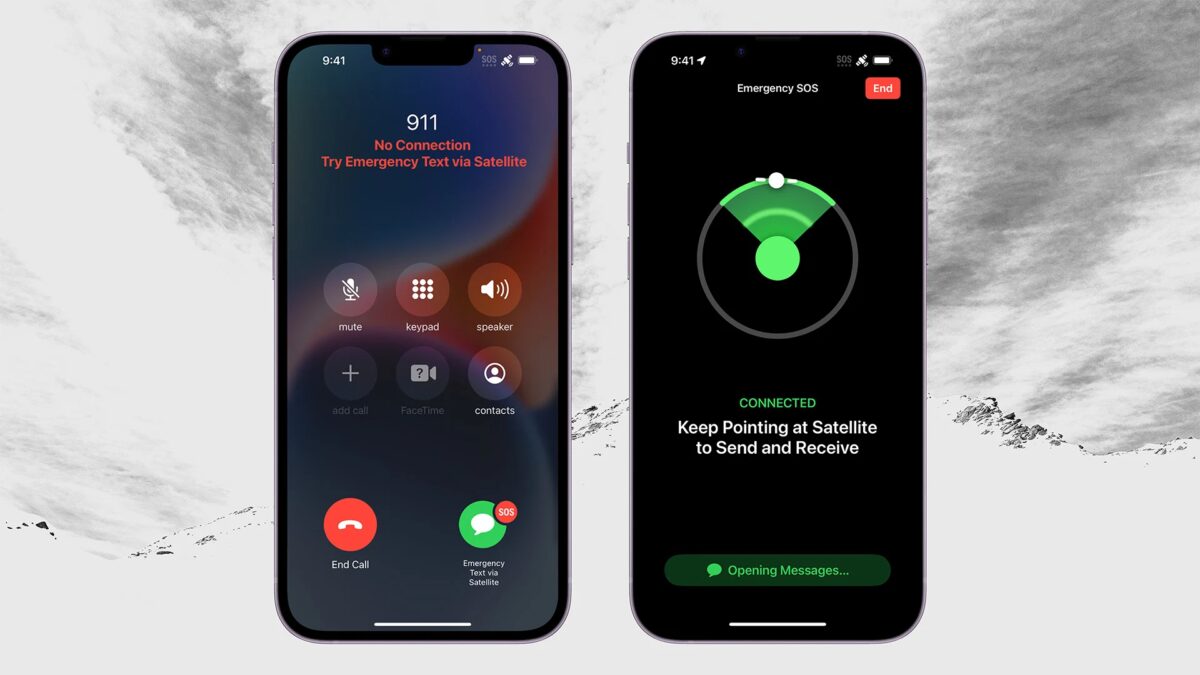
According to reporting in The New York Times, several members of the group were able to stay in contact with emergency responders by using a satellite-based Emergency SOS feature built into their iPhones. When there was no cellular or Wi‑Fi signal, the phones linked directly to satellites, allowing text-style messages to pass between the skiers and the Nevada County Sheriff’s Office coordinating the rescue.
Why this matters beyond a single rescue
On the surface this reads as straightforward progress: smartphones getting a long-missed sixth sense for true wilderness emergencies. But that progress brings new dependencies and inequalities.
Apple’s Emergency SOS via satellite is available on iPhone 14 through iPhone 17 models running iOS 16.1 or later. Some newer Android devices – including certain Google Pixel 9 models and all Pixel 10 phones – can also text emergency services via satellite. That matters because not every backcountry user owns one of those models, and many who do rely on dedicated satellite messengers instead.
How this fits into the toolbox of backcountry communications
For years, mountaineers and remote travelers have used stand-alone satellite messengers and satellite phones from companies such as Garmin and others. Those devices are built for harsh conditions: longer battery life, simpler two-way text or tracking, rugged housings, and subscription plans that make them reliable choices for guides and safety professionals. Smartphones add convenience – but they trade off battery life, durability, and, in many cases, guaranteed connectivity.
There is a practical difference between a purpose-built SOS beacon and a feature tacked onto a consumer phone. Dedicated devices typically provide continuous tracking and single-button alerts; phone-based satellite messaging is optimized for occasional emergency use and guided prompts. Both have saved lives. The Tahoe incident shows they can also work together.
The winners and the blind spots
Winners: people who own compatible phones, the tech companies that sold them, and search-and-rescue teams who get extra channels to find people when cell networks fail. Losers: anyone who lacks a modern handset or the patience and power to keep it running in cold, wet conditions; rural and lower-income users are disproportionately affected.
There are also systemic risks. Emergency services must absorb messages coming through private networks and apps that were never designed as primary public-safety infrastructure. That creates questions about liability, triage, and operational burdens: how do rescue coordinators prioritize and verify satellite-originated texts versus 911 calls? How many false or low-priority alerts will clog dispatchers’ queues as more phones gain satellite capability?
What needs to change
First, search-and-rescue agencies need clear protocols for handling satellite-originated messages and training on the quirks of these systems – limited bandwidth, guided prompts that may omit context, and location accuracy that can vary by device and terrain.
Second, public education matters. Backcountry travelers should still carry redundant tools: a charged power bank, a dedicated satellite messenger for extended trips, and basic navigation and avalanche safety gear. Relying on a single consumer device invites avoidable risk.
Third, policymakers and operators should examine equity and access. As life-saving functions move through commercial ecosystems, regulators should ask whether emergency access ought to be standardized and supported so that a person without a premium phone isn’t effectively unprotected.
The short verdict
Apple’s satellite SOS and similar features are useful and, in this case, likely saved lives. But they are not a universal solution. They augment the toolbox – not replace it. If this week’s tragedy has a practical lesson, it’s simple: technology helped, but preparation and redundancy still matter. Until satellite emergency messaging is ubiquitous and designed around public-safety systems, the most reliable approach remains the same as always: plan for the worst and bring backup.