

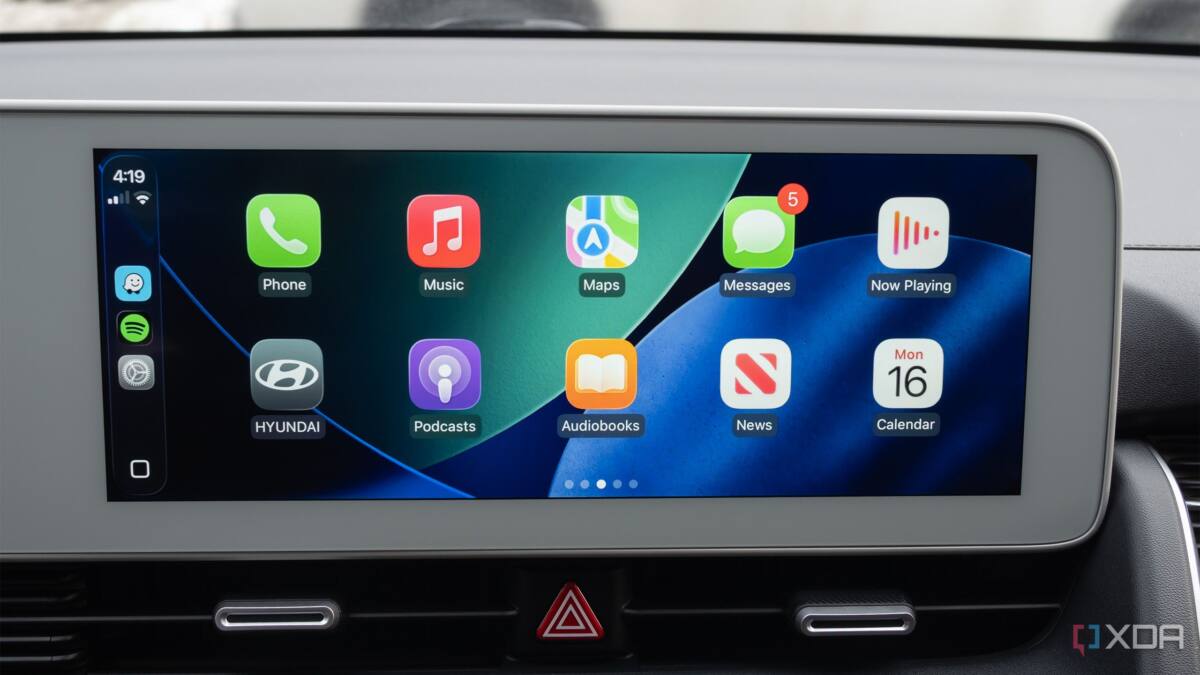
Cars are not smartphones with wheels. They are safety-first environments where a glitchy app or a finicky connection can turn a short commute into a tense experience. That’s the practical battleground where Apple’s CarPlay and Google’s Android Auto keep clashing – and why, for many drivers, CarPlay’s emphasis on a simple, consistent experience often feels like the smarter choice.
The friction problem: permissions, UX, and dropped connections
Two recurring headaches stand out when people switch phones into their cars. First, the setup. Android Auto commonly asks for app permissions specific to the car projection layer even when those permissions are already allowed on the phone. It’s a one-time annoyance for some, but for anyone running late it’s a real source of friction. CarPlay, by contrast, mirrors an iPhone’s existing app permissions and usually just works the moment you connect.
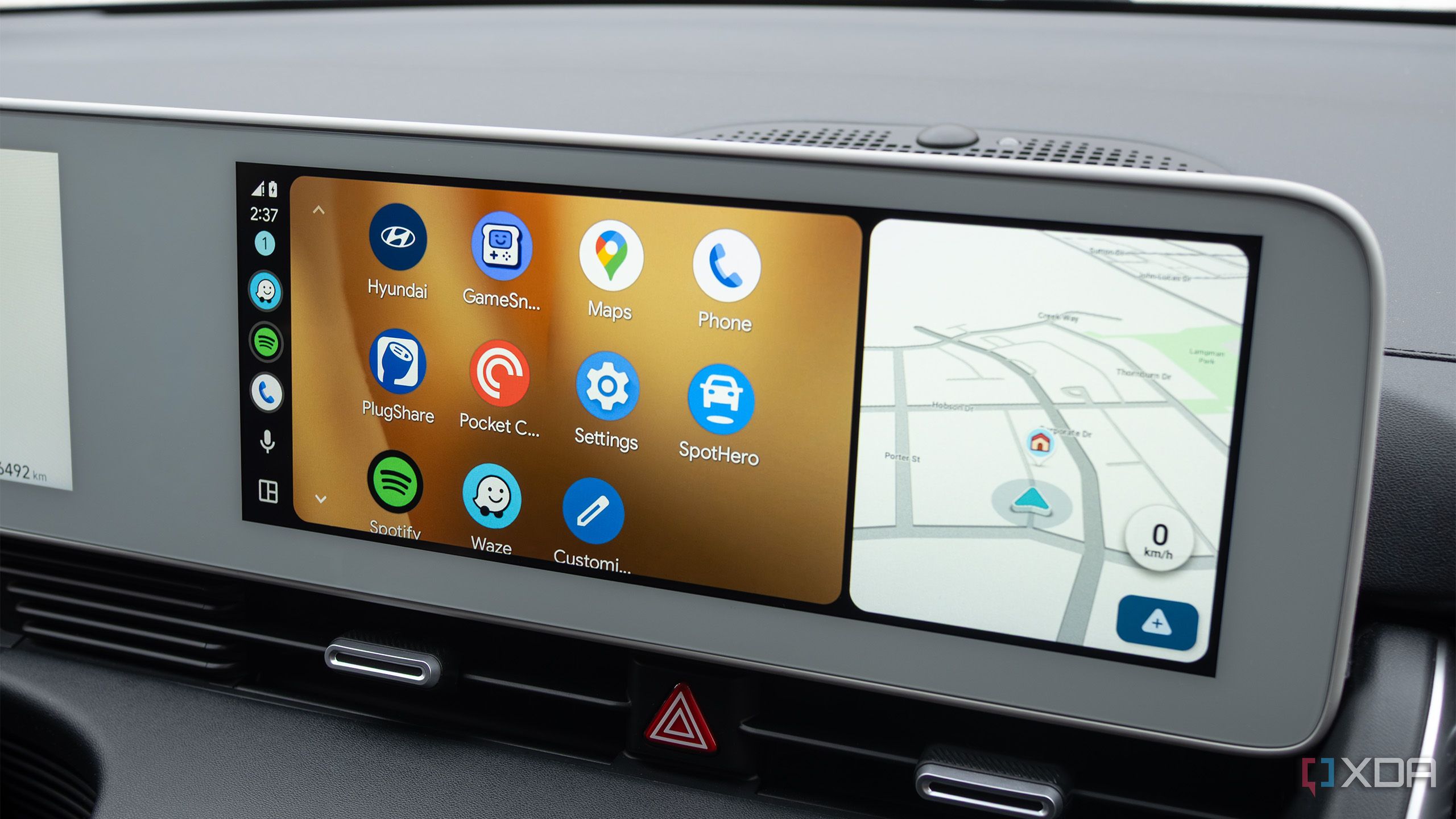
Second, reliability. Wireless CarPlay is often reported as steadier than wireless Android Auto. Users and reviewers commonly note that Android Auto connections can disconnect more frequently across different cars and phone models. That inconsistency isn’t just annoying – it undermines trust in the whole system.
Where CarPlay gains an obvious edge
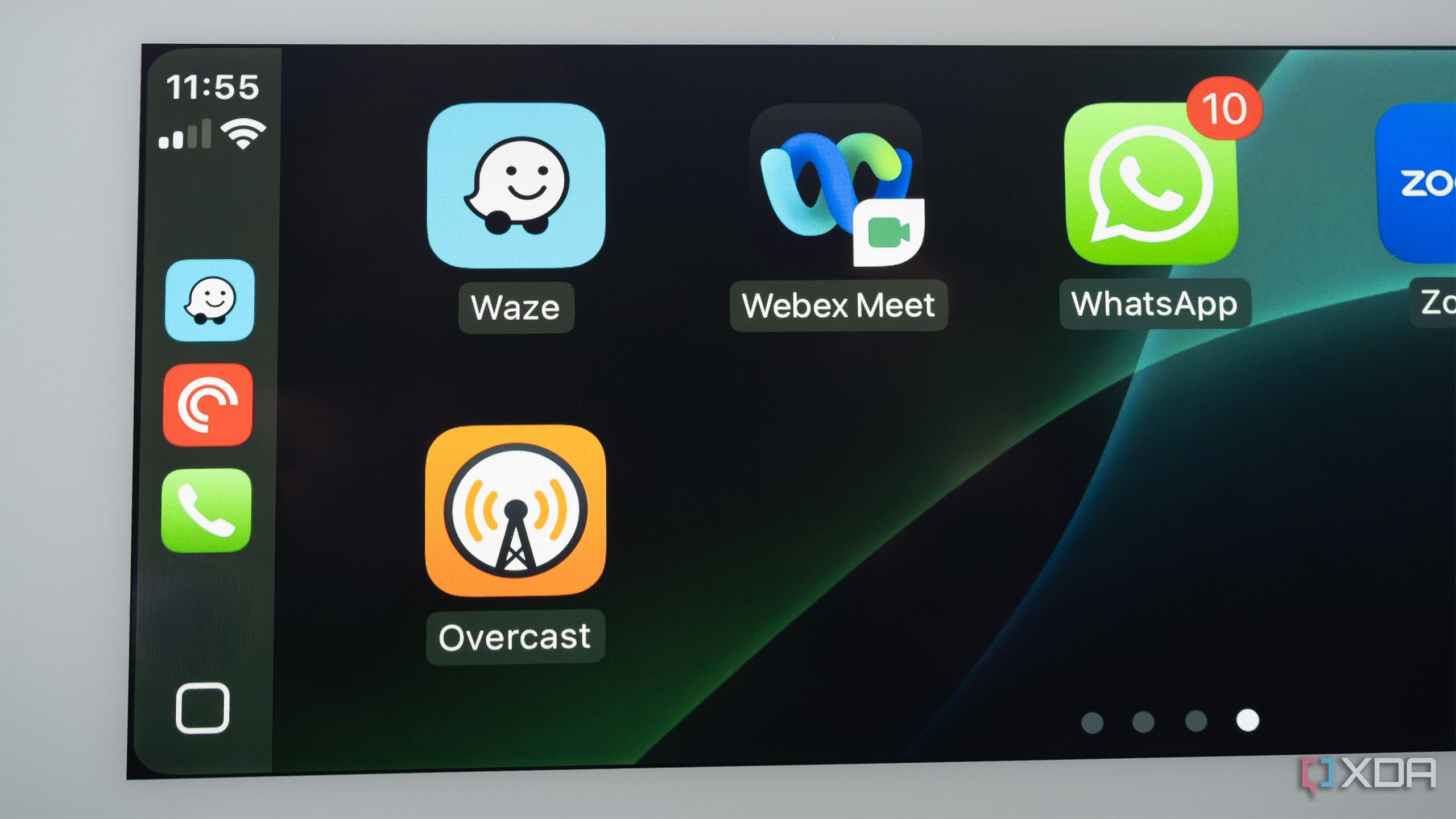
CarPlay’s advantage is simple: Apple’s tight control over hardware, software, and the App Store lets it enforce design and performance expectations more consistently. The result is a cleaner UI and fewer surprises. Third-party apps running on CarPlay tend to feel more cohesive because they’re bound by stricter UI rules; the in-car experience reads like a single product rather than a patchwork of mini-apps.
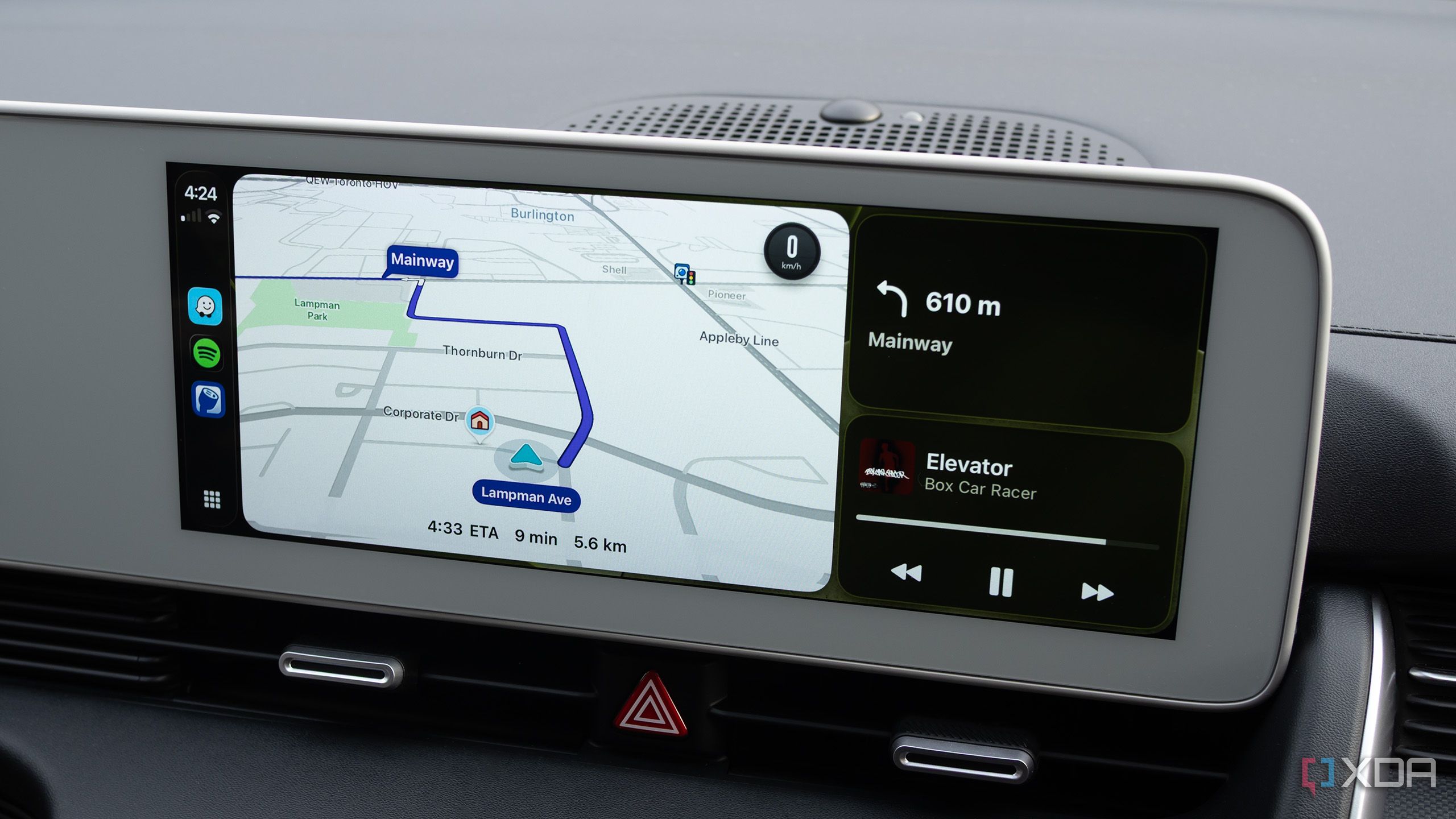
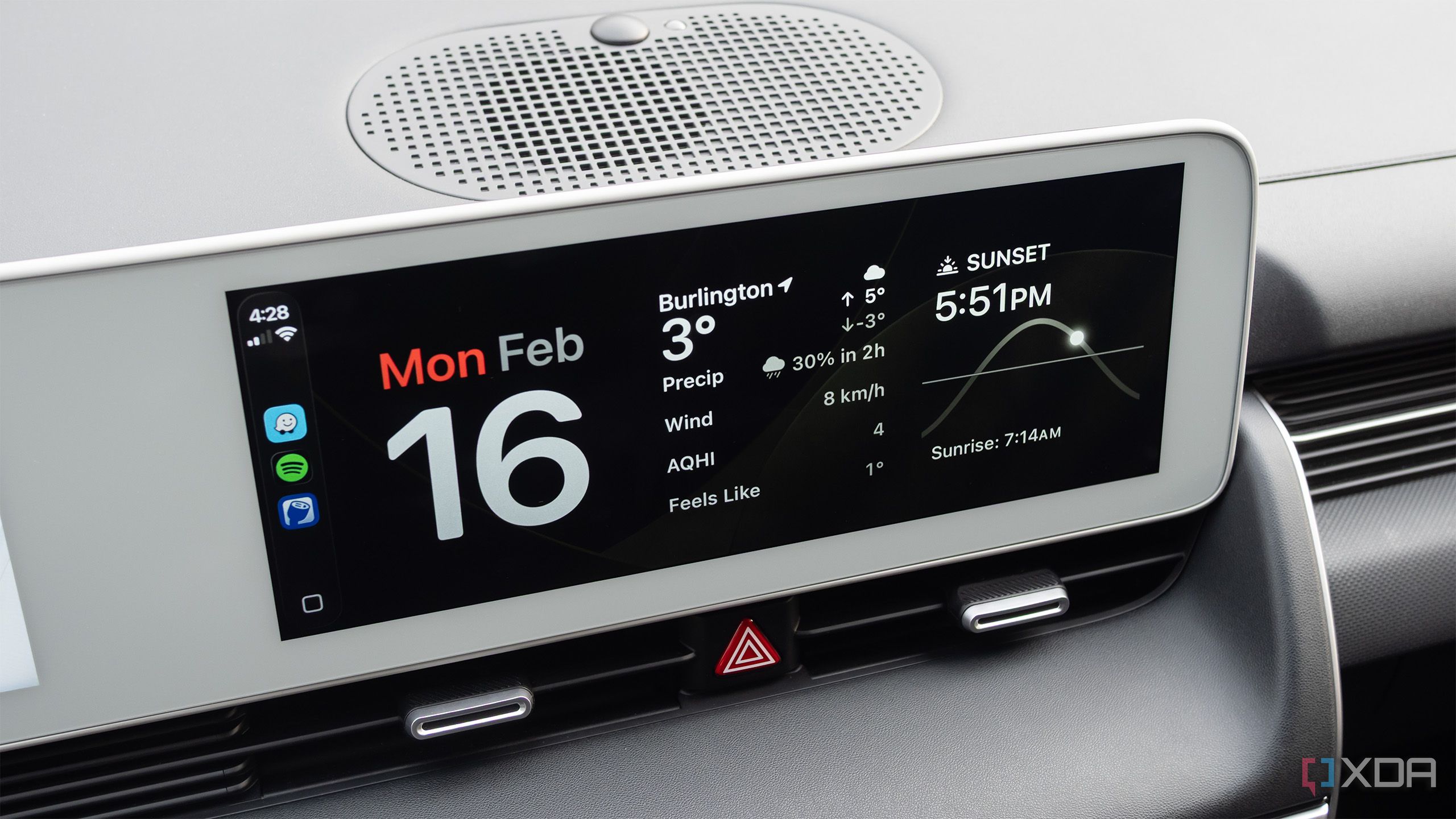
That uniformity also translates to perceived stability. Animations, button placement, and widget behavior in CarPlay rarely surprise a driver who’s glancing briefly at the screen. For many, that predictability is more valuable than extra features.
What Android Auto still does better
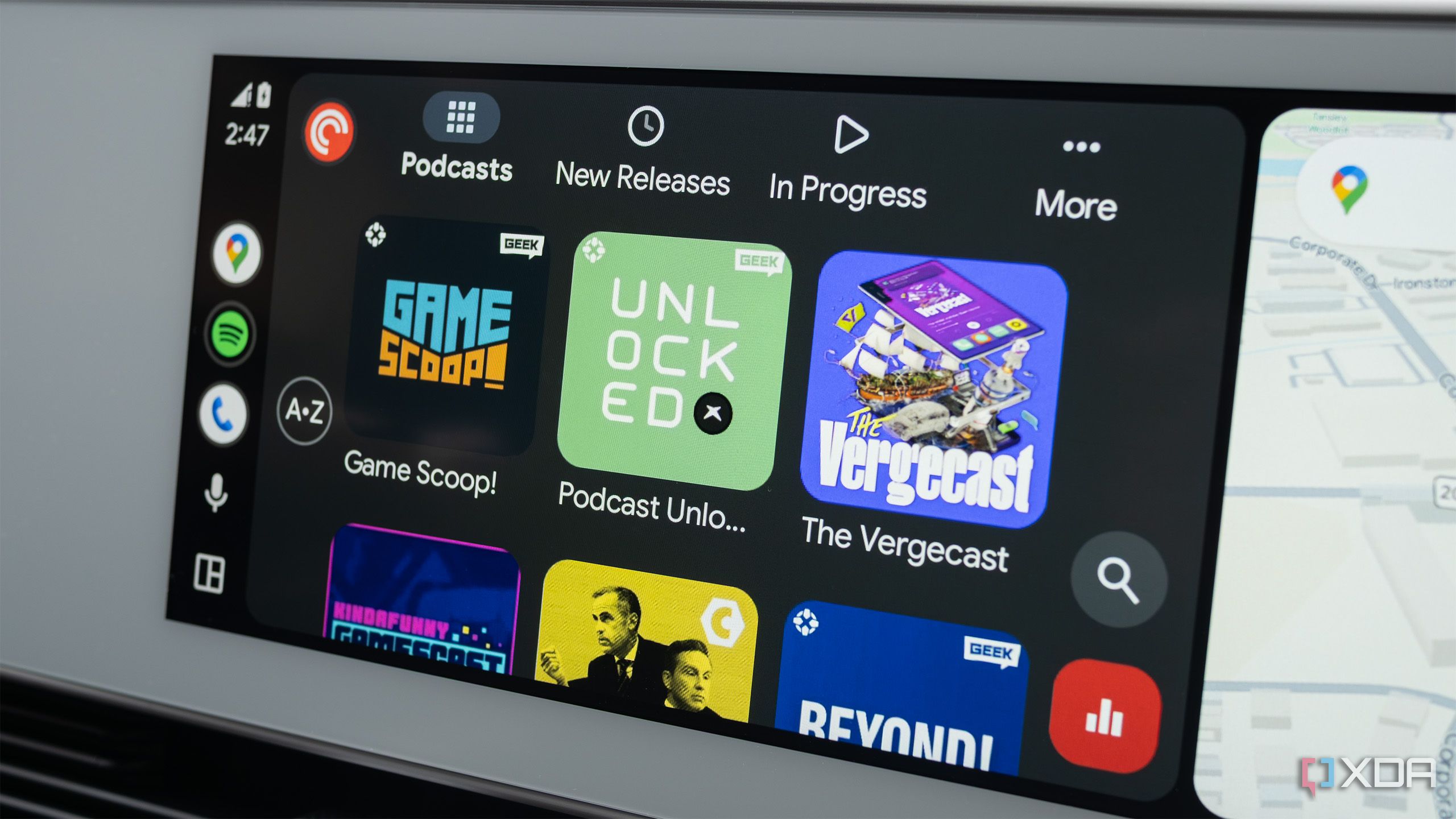
Open ecosystems trade control for choice. Android Auto offers a wider variety of apps, deeper customization, more granular notifications, and – increasingly – advanced AI features from Google. For drivers who want more than the basics, Android Auto’s flexibility is a real selling point. Google’s assistant and its AI integrations are also generally considered stronger than Siri, which matters when you use voice heavily while driving.
Why the split matters to users and automakers
Drivers win when an in-car system minimizes cognitive load. Apple’s model prioritizes that. Automakers win when the system in their dashboards behaves predictably and requires less support. But app developers and power users lose some freedom: tighter rules limit UI experimentation and advanced features that don’t fit the narrow in-car template.
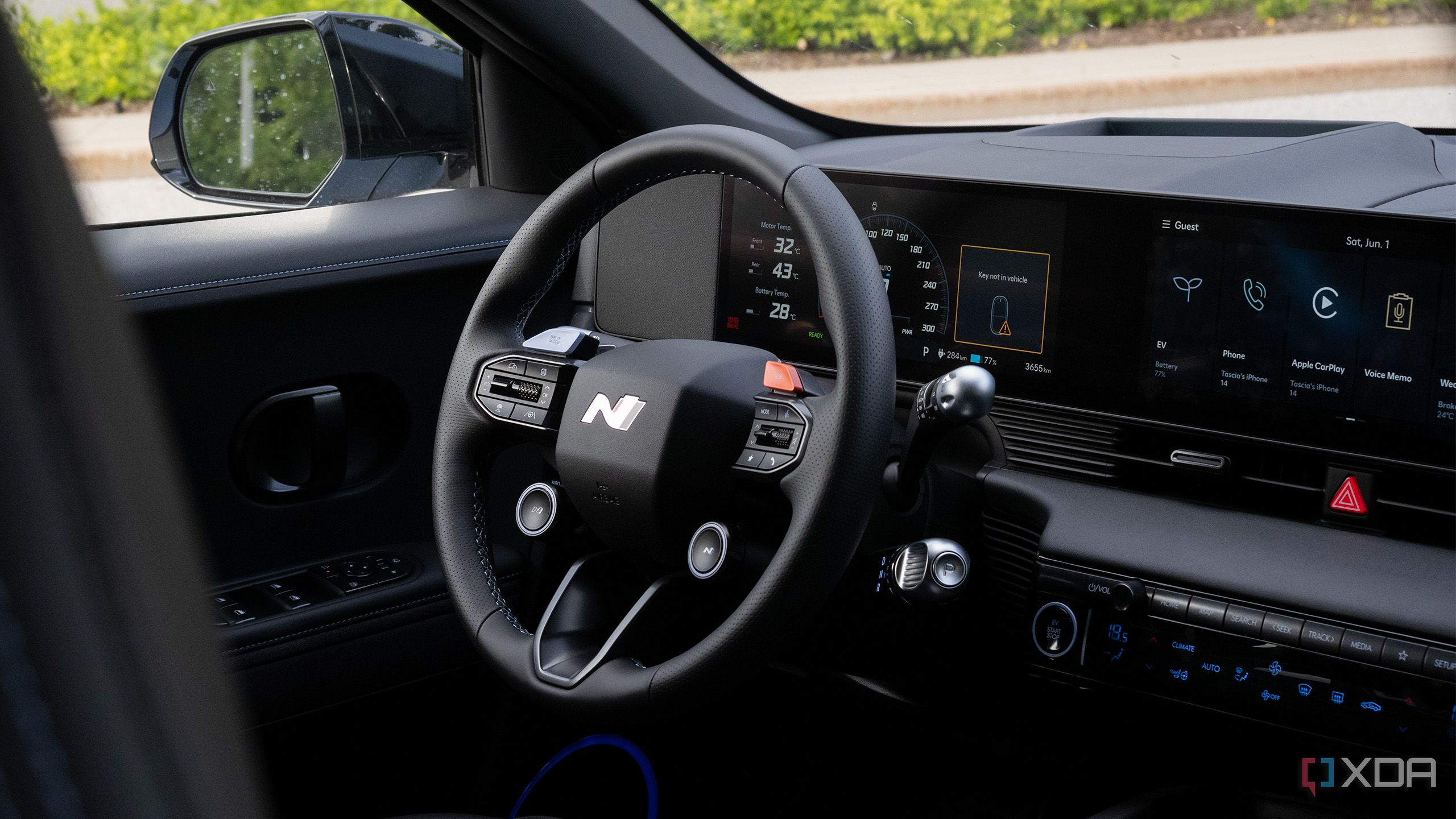
Google has an alternate path that complicates the picture: native in-car platforms, not projection layers. Android Automotive OS – a full operating system that runs directly on a car’s hardware – gives automakers and Google more control and can avoid some fragmentation problems that projection systems face. That matters because it offers both the flexibility users want and the stability automakers crave, depending on how manufacturers implement it.
What Google needs to fix (and fast)
If Android Auto wants to close the gap, there are a few low-effort, high-impact moves Google could make. First, stop asking users to re-authorize permissions already granted on the phone. Second, invest in a more robust wireless stack that’s resilient across chipsets and OEM Android flavors. Third, enforce stronger UI guidelines for third-party apps running on projection modes so that the in-car experience is less of a patchwork.
Those fixes wouldn’t take away Android Auto’s strengths. They’d simply reduce the friction that turns a promising feature set into an unreliable companion on the road.
The realistic outlook
Expect a divided future. For drivers who prioritize reliability and low distraction, CarPlay will continue to feel superior. Tech-savvy drivers and those who want customization will keep leaning toward Android Auto or cars running Android Automotive directly. Automakers will keep hedging: some standardize on CarPlay/Android Auto projection, others adopt Android Automotive, and a few – particularly high-end brands – build bespoke systems.
The bottom line: in a car, fewer surprises trump more features. That’s why, despite its limitations, CarPlay often wins the war that matters most – the small, boring battle for a calm, connected drive.