

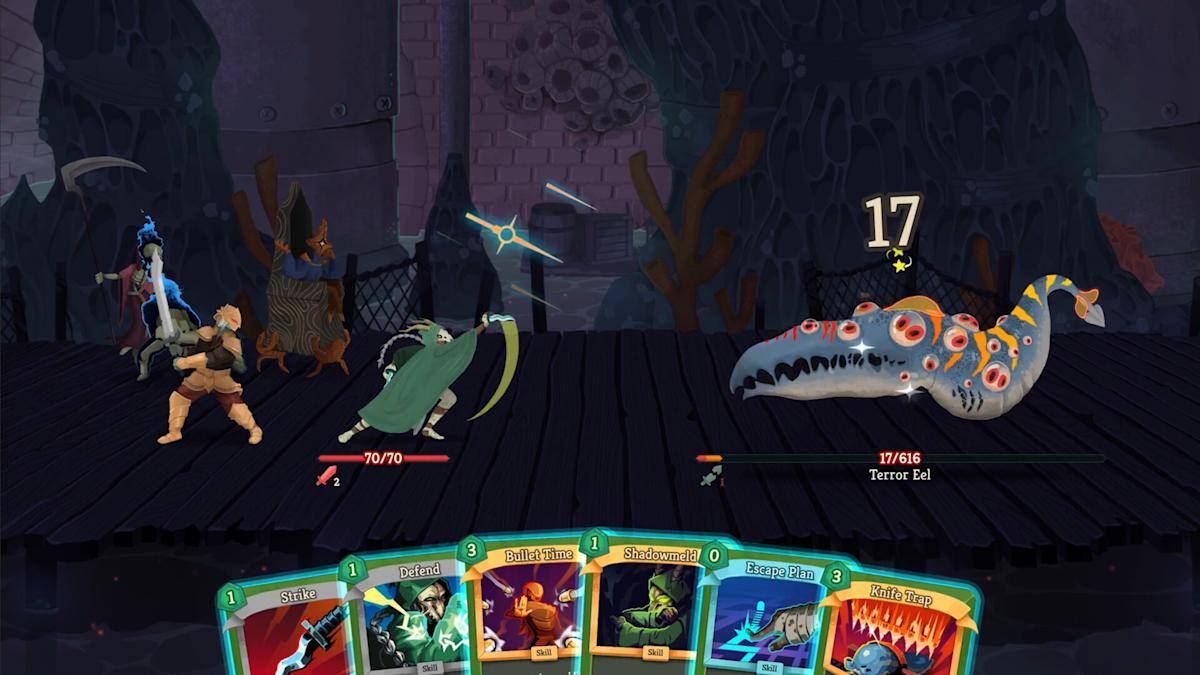
Solo roguelike deckbuilders built tight, solitary loops around risk, choice and quiet frustration. That design purity is precisely why Slay the Spire became a cult hit. Now its sequel is trying something the original never did: four‑player co‑op. That shift tells you more about what Mega Crit wants from the franchise than any trailer ever could.
Mega Crit confirmed that Slay the Spire 2 will enter Early Access on Steam on March 5, 2026. The studio says the game will spend ”a year or two, or more generally ’until the game feels great’” in Early Access while it balances content, adds quality‑of‑life features and tests experimental systems.
”Slay the Spire requires a lot of player feedback so we can balance content, add quality of life features, and make sure the game runs without issues,” the developers explained. ”Early Access is also a chance for us to test experimental features, try exotic designs, identify niche problems, and helps us make sure the game is headed in the right direction.”
Mega Crit
Publicly revealed gameplay highlights include a cooperative mode for up to four players, with cards and team‑wide synergies designed specifically for multiplayer. The sequel will bring back some characters from the 2019 original alongside new faces. For context, the first Slay the Spire is available on iOS (including as part of Apple Arcade), consoles and PC.
Why this matters
On paper, adding co‑op widens the addressable audience: friends streaming a run together, viewers watching chaotic four‑player decisions, and players who avoid single‑player roguelikes because the stakes feel harsh. For Mega Crit, multiplayer also buys deeper testing data during Early Access – real human combinations of strategies reveal balancing problems no internal QA usually catches.
But it’s a risky pivot. Deckbuilding roguelikes rely on carefully tuned card economies and the tension of solitary trade‑offs. Multiply the decision makers and you change the game’s fundamental tempo and difficulty curve. The design task isn’t just adding more players; it’s rethinking encounters, reward pacing and RNG so the experience remains meaningful whether you play alone or with three friends.
How others handled similar shifts
Indie studios often use Early Access to refine complex systems – Hades is a familiar success story, spending roughly two years in Early Access before its full release and using player feedback to sharpen pacing and balance. But adding multiplayer to an established solo formula has mixed precedents: some franchises have deepened their fanbases by introducing co‑op, while others fractured core communities when the new mode felt tacked on or unbalanced.
In the broader deckbuilder subgenre, true multiplayer remains rare. Slay the Spire’s mod scene and community variants long filled the space for players who wanted new rulesets; an official four‑player mode is the first mainstream attempt to make cooperative deckbuilding the default option for this franchise.
Who wins and who loses
Winners: players who want social runs, streamers and content creators (co‑op feeds drama and viewer interaction), and Mega Crit if multiplayer brings bigger launch numbers and longer retention.
Losers: purists who loved the original’s solitary loop and may feel the sequel dilutes what made the first game special; modders or community designers who find an official co‑op mode constrains the kinds of hacks and house rules they can meaningfully contribute to; and the studio itself, if balancing multiplayer proves costly and stretches the Early Access window beyond players’ patience.
What to watch during Early Access
Key signals will be how Mega Crit phases co‑op into development: is it present at launch of Early Access or added later as a major update? Will co‑op runs be balanced separately from single‑player runs, or will they alter the core card pool? Pay attention to whether multiplayer‑only cards stay locked to co‑op or leak into solo builds – that choice will reveal whether the studio views co‑op as an add‑on or a coequal pillar of the game’s future.
Also watch the community feedback channels. A healthy Early Access process will show clear iteration cycles: frequent updates, developer notes explaining design changes, and data‑driven fixes that respond to actual player runs rather than gut calls.
If Mega Crit pulls it off, Slay the Spire 2 could become the template for how to add cooperative play to a tightly balanced single‑player strategy game. If they don’t, the sequel will still be an interesting experiment: an attempt to thread the needle between social chaos and strategic depth.