

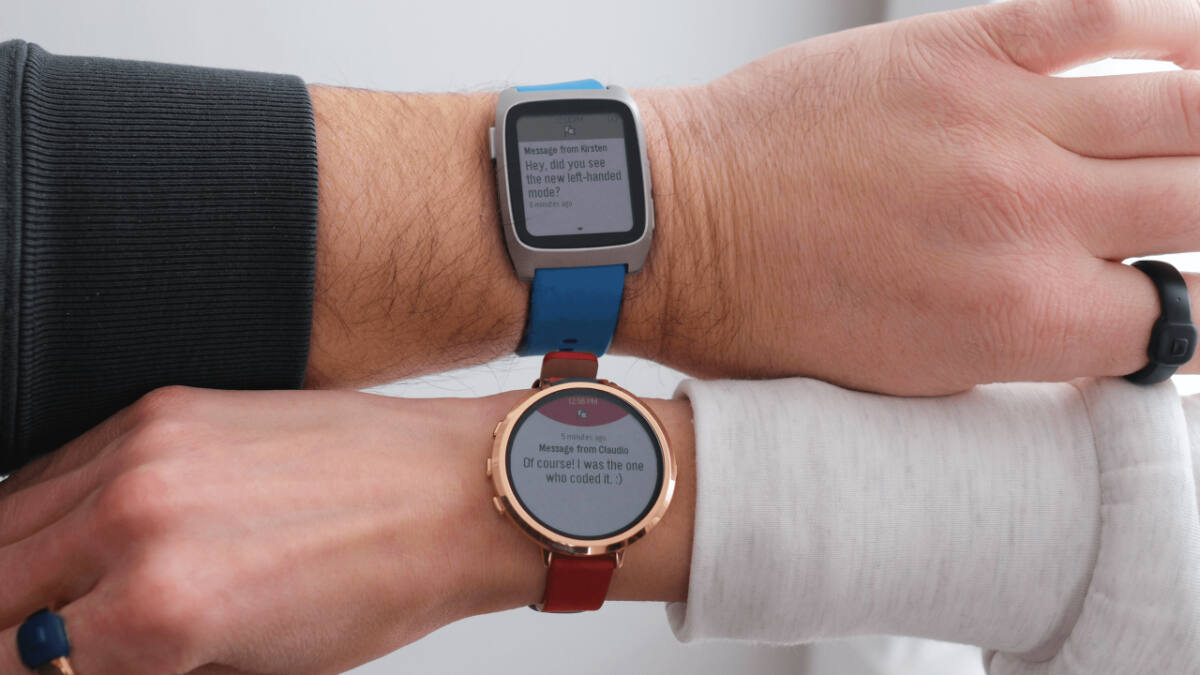
Revivals are satisfying. They aren’t always scalable. The latest episode in the Pebble saga is less about a triumphant return to the mainstream and more about a small team proving it can turn nostalgia into real, shippable hardware – on a deliberately modest scale.
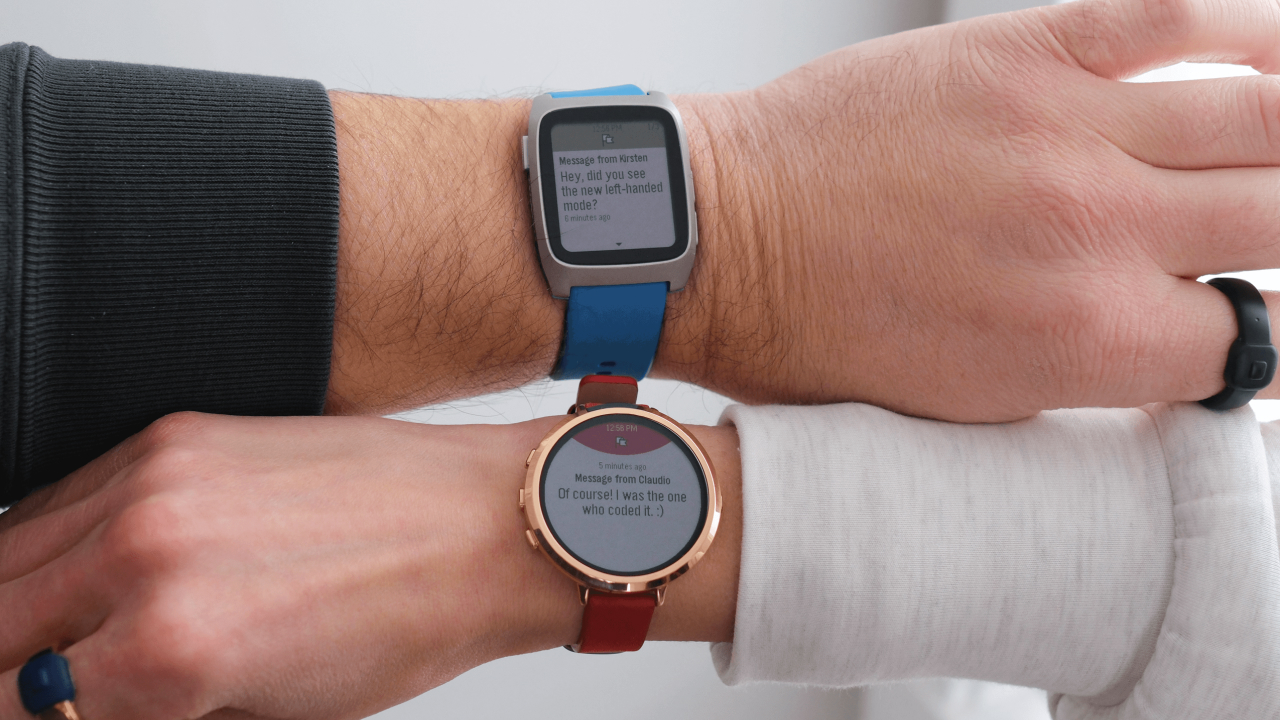
This spring, the group behind the modern Pebble effort announced concrete manufacturing dates for three devices: Pebble Time 2, the circular Pebble Round 2, and the Index 01 voice-note ring. That’s welcome news for backers and fans – but the numbers and timelines show how conservative the relaunch really is.
What the schedule actually says
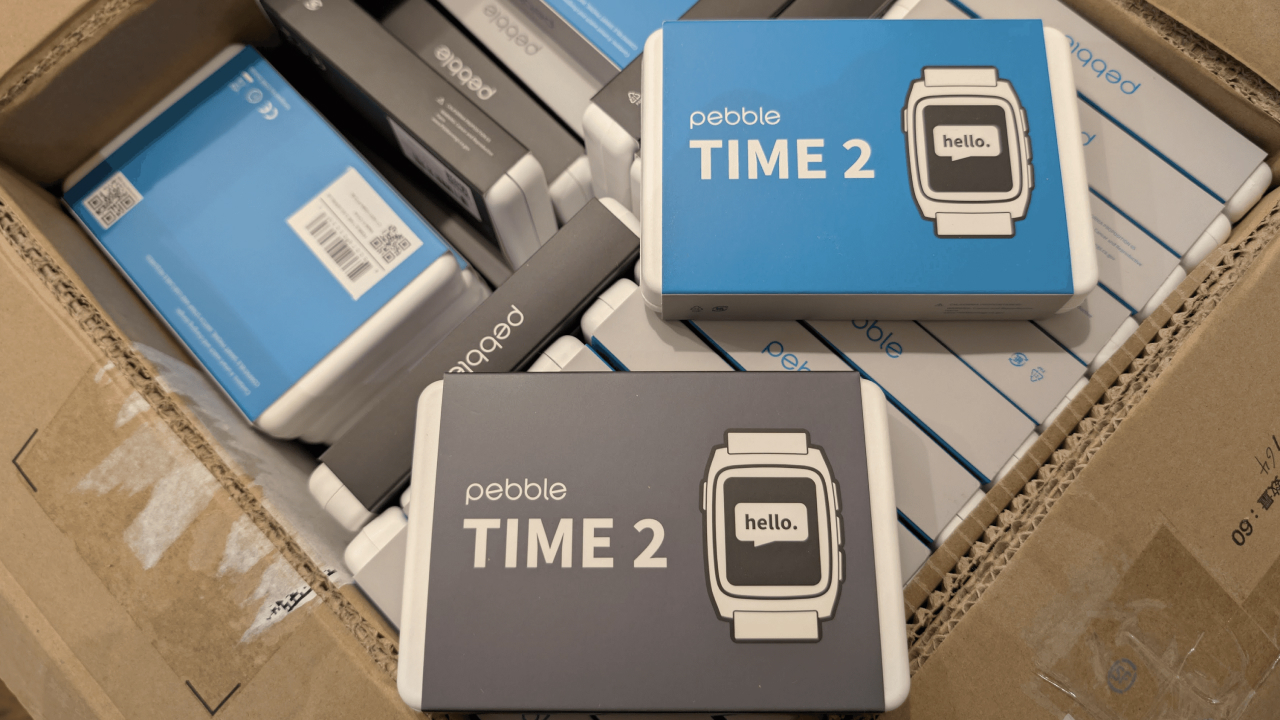
Pebble Time 2 has completed final tests and moved into pre-production. The company plans to begin mass production on March 9, with a target output of up to 500 watches per day. Shipments are due to start in early April, and all preordered units are scheduled to reach owners by the start of June. In lab testing, Time 2 endured pressure up to 3 atm – good enough for swimming, but the team warns against sauna use or hot showers.
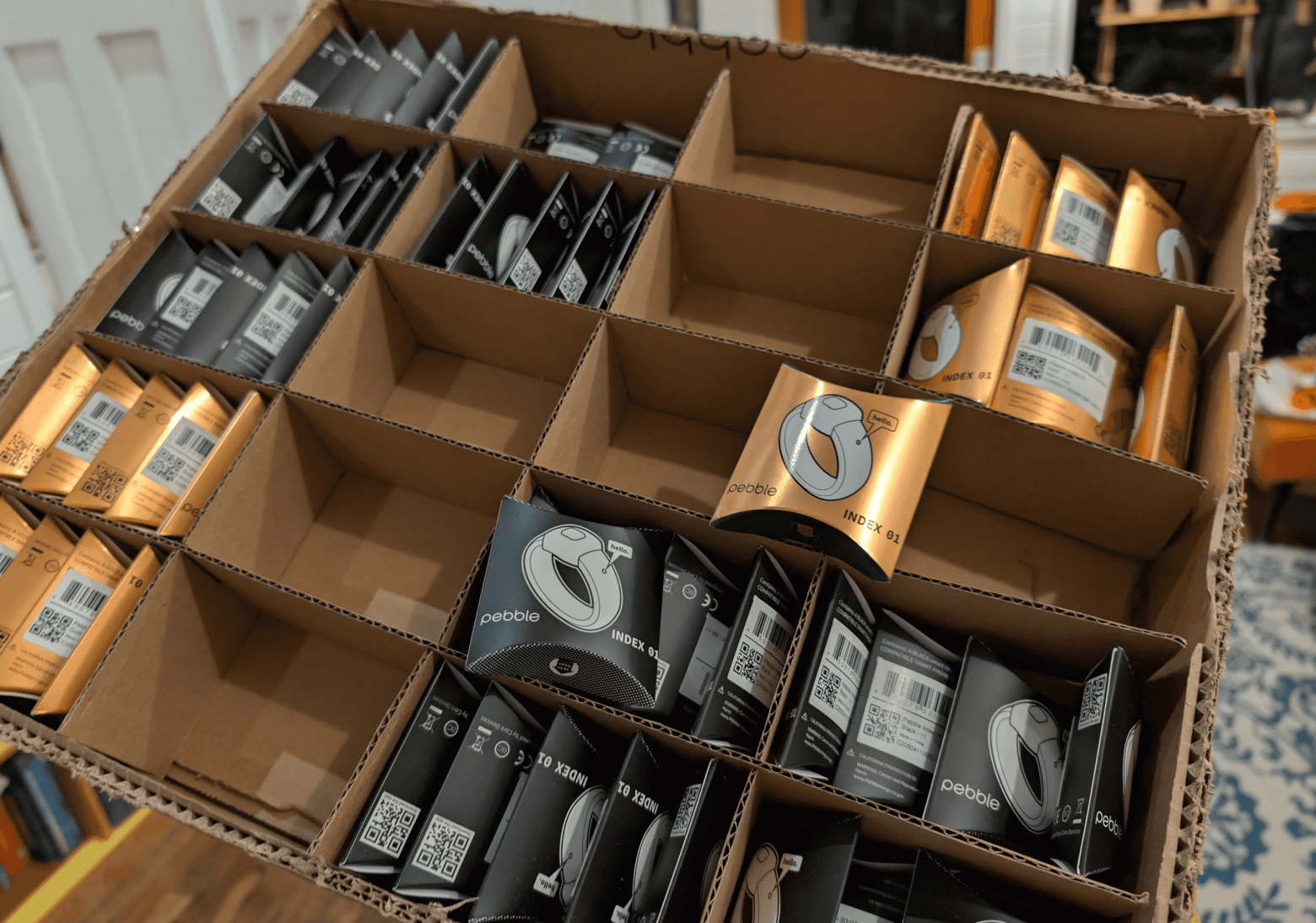
The Index 01 smart ring also cleared final tests and carries an IPX8 rating for immersion up to one metre, though the maker advises against swimming with it. Index production is slated for March too, but the exact start date will depend on how Time 2 ramps up. Buyers who need a precise fit can order a sizing calibrator for $10 – or 3D-print one themselves.
Pebble Round 2’s hardware is ready, the team says, but firmware work and waterproof certification remain. The company expects to start Round 2 production at the end of May, after the Chinese holidays and follow-up tests.
Why these details matter
Those cadence numbers matter because they define who this relaunch will serve. A target of up to 500 units per day is meaningful for a small operation, but it’s tiny compared with mainstream wearable manufacturers that ship thousands or tens of thousands daily. Limited throughput plus staggered production windows suggests a rollout designed around committed early backers rather than a broad retail push.
Pebble-style watches occupy a clear niche: e-paper displays, physical buttons, long battery life and lightweight software. That niche has loyal fans, but it also competes with generations of mainstream wearables that have doubled down on sensors, health tracking and large app ecosystems. Major players rarely use e-ink; they prioritize richer displays and health metrics instead.
A short history refresher – why revival felt possible
Pebble first became famous through Kickstarter and helped define the smartwatch early on. After the original company was acquired and services wound down, a community of users and developers worked to keep Pebble software alive. That active user base and persistent affection for the product are what make a hardware reboot feasible today – but affection doesn’t automatically equal a large market.
What the announcement leaves out
Key commercial details are still missing. The company hasn’t published final retail prices for all devices yet, and broader availability plans – retail partners, regions, warranty and aftercare – remain unspecified. Those are the items that will determine whether Pebble products stay boutique curiosities or scale into something more sustainable.
Verdict and what to watch next
This is a cautious, sensible approach: validate designs, limit initial volume, and avoid the inventory headaches that torpedo many crowdfunded hardware projects. For backers and long-time fans, that’s good news. For anyone hoping Pebble-style devices will rapidly reclaim shelf space next to Apple and Garmin, the numbers tell a different story.
Watch the April shipments and the certification outcomes for Round 2. If production hits the stated cadence and the company can scale quality controls without ballooning costs, we may see steady – not explosive – growth. If not, expect delays and smaller batches aimed squarely at enthusiasts rather than the mass market.
In short: the Pebble name is back in metal and plastic. Whether it becomes a mainstream option again depends less on nostalgia and more on pricing, distribution and whether that modest production ceiling can be raised without breaking the operation.